
Application
Ion Exchange Resins for Hard Water Softening
Hard water softening generally has the following three methods: membrane separation method, lime method, and ion exchange method, among which ion exchange softening is the most economical, and the softening effect is quite good, and it is the most widely used.
Application
The ion exchange method uses a specific cation exchange resin to replace the calcium and magnesium ions in the water with sodium ions. Due to the high solubility of sodium salts, it avoids the formation of scale with the increase of temperature.
Compared with the membrane separation method, it is more cost-effective, and the hardness reduction effect is far better than that of the lime method. Mainly the following field are used to:
1)In industrial and power plant boiler systems.
2)Catering, food, chemical, pharmaceutical and other fields.
3)Air conditioning, and other industrial circulating water fields.
Softening of water and other liquids, desalination and extraction of antibiotics.
Compared with the membrane separation method, it is more cost-effective, and the hardness reduction effect is far better than that of the lime method. Mainly the following field are used to:
1)In industrial and power plant boiler systems.
2)Catering, food, chemical, pharmaceutical and other fields.
3)Air conditioning, and other industrial circulating water fields.
Softening of water and other liquids, desalination and extraction of antibiotics.
Related Products
-
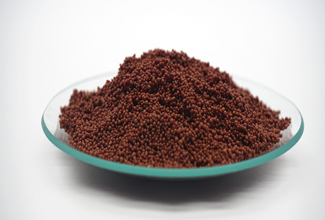 Arsenic Removing Chelating Resin To Extract Heavy Metals Removal Arsenic Removal Nitrate Ion Exchange ResinAppearance: Red brown to brown beadsIonic form:[R-FeO (OH)]+Volume complete exchange capacity(mmol/ml):≥2.0
 -
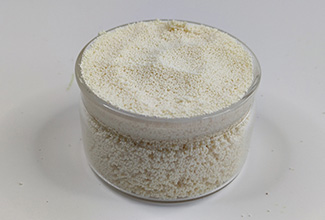 D113 Weakly Acidic Polyacrylic Cation Exchange ResinAppearance: Milky white or pale yellow opaque particles.The degree of crosslinking : 7%.Ionic form:H+
 -
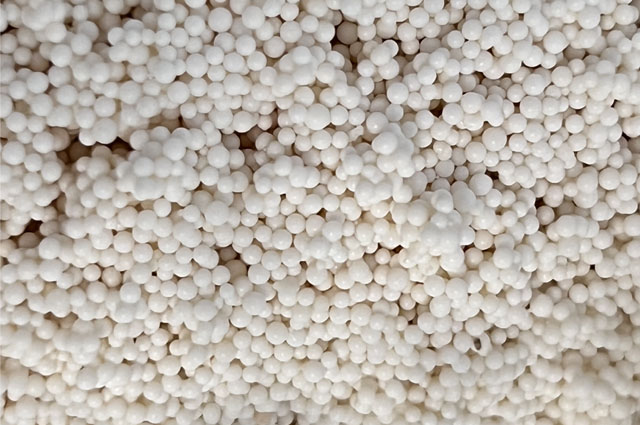 Uranium Extraction Ion Exchange ResinPhysical Form: Opaque beadsIonic form: SulfateTotal Exchange Capacity (Cl− form) mmol/ml: ≥1.30
