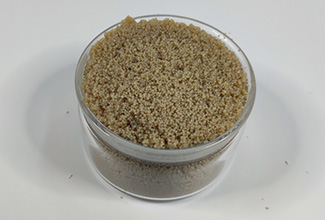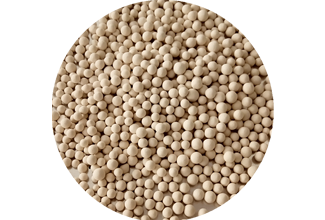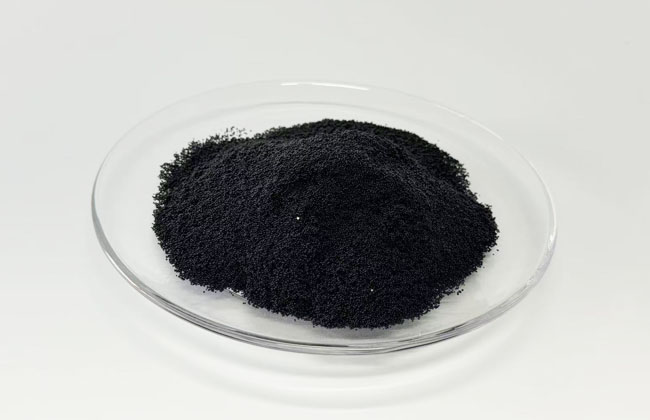
Etherification: Strong Acid Catalyst Resin for MTBE and Ether Synthesis
How macroporous strong acid resin catalysts drive the industrial production of MTBE, ETBE and TAME.
Etherification is the reaction that joins two alcohol molecules into an ether, releasing water as a by-product. In the petrochemical industry, this reaction underpins the production of oxygenated fuel additives such as MTBE (methyl tert-butyl ether), ETBE and TAME — compounds prized for boosting octane number while helping gasoline burn more cleanly.
How the Catalyst Works
Macroporous strong acid cation exchange resin, such as our D005 Catalyst Resin, provides a dense, evenly distributed network of sulfonic acid (-SO₃H) groups. These act as solid Brønsted acid sites, protonating the alkene feedstock (e.g. isobutylene) and enabling it to combine with methanol or another alcohol to form the ether product. Because the acid sites are fixed on an insoluble polymer bead, the catalyst is easy to separate from the reaction stream, does not corrode equipment the way liquid sulfuric acid does, and can be reused over many production cycles.
Key Benefits
- High exchange capacity and uniform bead size for stable, predictable catalytic activity
- Excellent low-temperature reaction activity and selectivity
- Good mechanical strength and abrasion resistance for long service life in fixed-bed reactors
- No liquid acid handling, reducing corrosion and disposal costs
This etherification performance is the basis of our D005 Catalyst Resin, engineered to meet the demanding requirements of modern MTBE production plants.