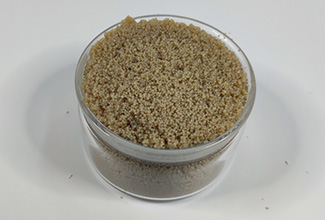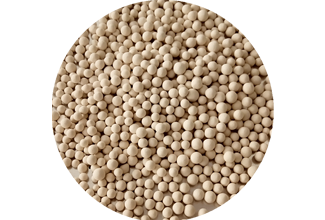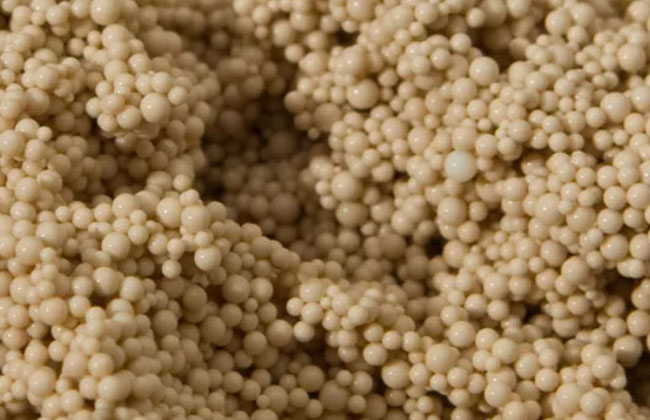
Hydration: Strong Acid Catalyst Resin for Olefin Hydration
Converting olefins directly into alcohols with a durable, reusable solid acid catalyst.
Hydration adds a water molecule across a carbon-carbon double bond, converting an olefin such as ethylene or isobutylene into the corresponding alcohol. This reaction is the basis for producing industrial alcohols like ethanol and tert-butyl alcohol, which serve as solvents, fuel additives and chemical intermediates.
How the Catalyst Works
Strong acid resin catalyzes hydration by first protonating the olefin at its sulfonic acid sites, forming a carbocation intermediate that is then captured by water to yield the alcohol. Operating this step over a solid catalyst bed instead of concentrated liquid acid avoids the need to later dilute and recover a large volume of aqueous acid, which is one of the major cost and environmental burdens of traditional hydration processes.
Key Benefits
- Avoids handling and recovering large volumes of concentrated liquid acid
- Stable performance across a wide operating temperature range
- Good particle strength minimizes attrition in continuous fixed-bed reactors
- Long catalyst life reduces replacement frequency and operating cost
Built on the same macroporous resin technology as our D005 Catalyst Resin, this catalyst gives olefin hydration processes a cleaner, more durable acid-catalysis option.