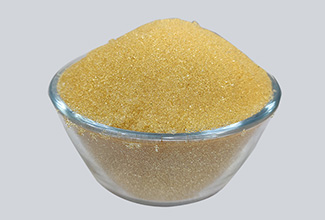
The purity of beverages directly impacts market acceptance and influences a brand's long-term development. Throughout the entire beverage production process—from raw material procurement and processing to final product filling—impurities may be introduced at any stage. Among these, chlorides, sulphates, and salts are the most prevalent and notoriously difficult to eliminate completely. Whether in freshly squeezed juices, full-bodied carbonated drinks, or the increasingly popular plant-based beverages of recent years, these impurities—though seemingly present in minute quantities, often imperceptible to the naked eye—subtly alter the original flavour profile. They can transform a naturally sweet juice into something salty or bitter, shorten the product's shelf life, accelerate the ageing of packaging containers, and, more critically, cause persistent damage to production equipment, thereby increasing maintenance costs for businesses.
Many beverage manufacturers have attempted various purification methods to address impurity issues, such as conventional filtration and activated carbon adsorption. However, these approaches exhibit significant limitations. Conventional filtration only removes large suspended particles and cannot handle ionic-level impurities. Activated carbon adsorption primarily targets odours and pigments, with minimal effectiveness against ionic contaminants like chlorides and sulphates. Some companies employ reverse osmosis technology, which removes most impurities but simultaneously traps beneficial components such as sugars and vitamins, resulting in a diluted taste and nutritional loss. Ion exchange resin technology precisely addresses these challenges. It selectively captures and removes harmful ions such as chlorides, sulphates, and salts while maximally preserving the beverage's original flavour, colour, and nutritional content. With moderate operating costs and straightforward operation, it represents a highly cost-effective solution in beverage purification today, increasingly becoming the purification technology of choice for numerous beverage manufacturers.
Why Chloride, Sulphate and Salts Matter in Fruit Juices and Beverages
Major Sources of Chlorides, Sulfates and Salts in Beverages
Let's first discuss the sources of these impurities. They're actually not complicated, mainly concentrated in three areas: raw materials, water used in production, and the processing itself. Water and raw materials are the primary sources. The raw water used in production, whether tap water, groundwater, or surface water, may contain certain amounts of chlorides, sulfates, and soluble salts. Tap water produces residual chlorides during disinfection, while groundwater may contain high concentrations of sulfates and calcium and magnesium salts due to geological conditions. Surface water is easily polluted by the surrounding environment, resulting in fluctuating impurity levels, especially during the rainy season when chloride and sulfate levels may significantly increase.
Besides raw water, the raw materials themselves also contribute to impurities. For example, during fruit growth, the roots absorb salts from the soil. Some of these salts participate in the fruit's growth and metabolism, while others accumulate in the fruit. After processing into juice, these salts remain in the finished product, affecting the taste. Raw materials for plant-based beverages, such as soybeans, oats, and nuts, may carry small amounts of sulfates and chlorides during their growth and storage, especially raw materials grown using chemical fertilizers, where impurity levels may be higher. Furthermore, the use of chlorine-containing disinfectants, sulfate-containing additives, or inadequate equipment cleaning during processing can also introduce small amounts of impurities into the beverage.
The Negative Impact of Excessive Impurities on Beverages and Production
The impact of these impurities is far greater than imagined, not only compromising product quality but also exposing businesses to production and compliance risks. In terms of taste, excessive chloride imparts a faint metallic or salty flavour to beverages. Though subtle, this taste severely undermines the inherent sweetness of fruit juices, proving particularly detrimental to pure juices and premium drinks. It readily leads to consumer dissatisfaction and reduces repurchase rates. Sulfates may impart a bitter taste that masks the beverage's inherent flavour profile. Moreover, during storage, sulfates readily combine with calcium and magnesium ions to form microscopic precipitates, causing slight cloudiness that compromises product appearance and may mislead consumers into believing the product has spoiled.
Equipment deterioration and regulatory compliance warrant particular attention. Beverages with high salt content accelerate corrosion in production pipelines, storage tanks, valves, and other equipment—especially stainless steel components. Prolonged exposure to high-salinity solutions induces pitting corrosion and rusting, shortening equipment lifespan and increasing corporate maintenance and replacement costs. Concurrently, food and beverage standards in most global regions impose explicit limits on chloride and sulphate content. Regulatory bodies such as the European Union and the US FDA establish stringent thresholds for impurities in beverages. Exceeding these limits directly precludes product market release and may incur penalties, jeopardising overseas market expansion and brand reputation.
.png)
Ion Exchange Resins and Their Role in Beverage Purification
Basic Definition of Ion Exchange Resin
Many people, upon first hearing of ion exchange resin, assume it to be a complex chemical technology, worrying about operational difficulty and safety concerns. In plain terms, however, it is quite simple—it functions like a ‘selective filter,’ except this filter does not remove large particulate impurities, but rather harmful substances at the ionic level. It can precisely identify and capture harmful ions such as chlorides and sulphates in beverages, while remaining indifferent to beneficial components like sugars, vitamins, and flavour compounds, leaving them entirely unaffected. This achieves a purification effect that ‘removes impurities while preserving the good’, representing its core advantage over other purification technologies.
The Core Working Principle of Ion Exchange Resins in Beverage Purification
Essentially, ion exchange resin is a polymeric material with a porous structure, internally densely packed with minute pores and externally coated with numerous exchangeable ionic groups. These ionic groups function like ‘adsorption claws’. When beverages flow through the resin bed at an appropriate velocity, harmful impurities such as chloride ions and sulphate ions react with the ions on the resin surface through an exchange reaction. These impurities are then firmly adsorbed within the resin's pores, while beneficial components in the beverage pass through the resin layer unimpeded, proceeding to subsequent production stages.
Unlike conventional filtration, ion exchange resin exhibits highly selective adsorption, determined primarily by the nature of its surface ion groups. Resins used for beverage purification preferentially bind harmful anions like chloride and sulphate ions, while remaining inert to neutral molecules or beneficial ions such as sugars and vitamins present in the beverage. It is precisely this selective adsorption that enables ion exchange resin to remove impurities while maximally preserving the beverage's original qualities. This constitutes the core reason for its suitability in beverage purification, particularly for juice and plant-based beverage production where taste and nutritional requirements are paramount.
Core Characteristics of Ion Exchange Resins for the Beverage Industry
It should be specifically noted that ion exchange resins used in the beverage industry are not ordinary industrial-grade resins, but rather specially treated food-grade resins whose core characteristics are fully aligned with beverage production requirements. Firstly, food-grade ion exchange resins undergo rigorous food-grade certification, being inherently non-toxic, odourless, and chemically stable. They introduce no new impurities into beverages nor react chemically with beverage components, thereby ensuring product safety. Secondly, these resins exhibit excellent regenerative properties. When adsorption capacity becomes saturated and further impurity removal is impossible, simple regeneration processes can desorb harmful ions from the resin, restoring its adsorption capability for repeated use. This significantly reduces long-term operational costs for enterprises. Furthermore, resins specifically designed for the beverage industry possess high mechanical strength, minimising issues such as fragmentation or clumping during use and regeneration. This ensures consistent purification performance.
The Core Advantages of Ion Exchange Resins in Juice and Beverage Purification
Preserving the Original Beverage Quality
Compared to other purification methods, ion exchange resins offer distinct advantages in beverage purification, proving particularly well-suited for drinks production where taste and quality are paramount. A key competitive edge for beverages lies in their distinctive flavour and nutritional profile. Many purification techniques, however, compromise beverage quality while removing impurities. Take reverse osmosis technology: although highly effective at purification, it employs high-pressure permeation to retain most ions in the beverage. This process not only traps harmful chlorides and sulphates but also withholds beneficial components such as sugars and minerals, resulting in a diluted taste and nutritional loss. This makes it particularly unsuitable for juice products. Activated carbon filtration primarily targets odours and pigments but fails to remove ionic impurities. Moreover, if improperly applied, it may adsorb trace flavour compounds, adversely affecting product palatability. Ion exchange resins, however, fully preserve these beneficial components. The purified beverage retains near-identical taste, colour, and texture to the original raw material, maximally restoring the product's natural flavour profile.
Precise and Controllable Impurity Removal
Another major advantage of ion exchange resins is their precise and controllable impurity removal. Purification parameters can be flexibly adjusted according to a company's product standards and production needs to achieve different levels of impurity removal. Different types of beverages have different requirements for impurity content. For example, pure fruit juice needs to retain a small amount of natural salt to ensure a rich flavor, while high-end salt-free beverages need to completely remove all salt impurities to ensure product purity. Ion exchange resins can precisely control the removal of chlorides and sulfates by adjusting parameters such as resin dosage, beverage flow rate, and regeneration cycle. This avoids over-purification that could degrade the taste, and also prevents incomplete purification that could lead to excessive impurities, making them perfectly adaptable to the production needs of different products.
Highly Adaptable and Easy to Operate
Ion exchange resins are highly adaptable. Whether it's a small juice processing plant or a large beverage production company, they can be matched with resin purification equipment of appropriate scale according to their production needs, without requiring large-scale modifications to existing production lines, significantly reducing investment costs. Small businesses can choose small resin columns, which are simple to operate, require little space, and are suitable for small-batch production. Large enterprises can build large-scale resin purification systems to achieve continuous production and meet the needs of large-volume production. Moreover, the resin regeneration process is simple, requiring no complex equipment or specialized technicians. Ordinary operators can learn to operate it after simple training. The reagent costs used for regeneration are moderate, not placing an excessive economic burden on the company, making it highly cost-effective in the long run.
How Ion Exchange Resins Can Specifically Remove Chlorides From Beverages
Specialized Resins for Chloride Removal
Chloride is one of the most common impurities in beverages and one of the most likely to affect taste. Its sources are widespread, potentially introduced from both production water and raw materials. While there are specific types of ion exchange resins designed for chloride removal, not all ion exchange resins achieve ideal removal results. Currently, the resins used in the beverage industry for chloride removal are primarily strong-base anion exchange resins. These resins have strongly basic ionic groups on their surface, exhibiting a high adsorption capacity for chloride ions. They preferentially adsorb chloride ions even in beverages where multiple ions coexist, and their large adsorption capacity meets the removal needs of varying chloride concentrations, making them the preferred resin type for chloride removal in beverages.
The Specific Process of Chloride Removal
The removal of chlorides using strongly basic anion exchange resins is essentially an ion exchange reaction. The entire process is gentle, produces no byproducts, and has no impact on beverage quality. When a beverage flows through a layer of strongly basic anion exchange resin at a suitable flow rate, chloride ions in the beverage exchange with hydroxyl groups on the resin surface. The chloride ions are firmly adsorbed into the porous structure inside the resin, while the hydroxyl groups on the resin surface enter the beverage, forming stable compounds with other ions without altering the beverage's pH or taste. This is particularly important for fruit juices, as their pH is relatively sensitive. Changes in pH can easily lead to discoloration, flavor degradation, and even separation or sedimentation. The ion exchange reaction of strongly basic anion exchange resins effectively prevents these issues.
Regeneration Precautions for Chloride Removal Resins
It is important to note that the adsorption capacity of strongly basic anion exchange resins is limited. Once all the ionic groups on the resin surface have exchanged with chloride ions, the resin reaches adsorption saturation and can no longer remove chlorides. At this point, regeneration is necessary to restore its adsorption capacity. Regeneration simply involves rinsing the resin layer with an appropriate amount of regenerant (usually sodium hydroxide solution). The ions in the regenerant will undergo a secondary exchange with the chloride ions adsorbed on the resin, desorbing the chloride ions and discharging them with the regeneration waste liquid. The resin will then regain its original adsorption performance and be ready for reuse. During regeneration, it is crucial to control the concentration of the regenerant and the rinsing time. Excessive concentration will corrode the resin and shorten its lifespan; insufficient concentration will prevent complete regeneration, leading to a decrease in adsorption capacity and affecting subsequent purification effects.
Addressing Sulfate Contamination with Ion Exchange Resins
Specific Hazards of Excessive Sulfate Levels in Beverages
The removal of sulfates shares similarities with chloride removal, but also has some specific requirements. This is mainly because the harmful effects of sulfates in beverages are more complex than those of chlorides. Excessive sulfate in beverages directly impacts taste, giving them a noticeable bitterness that masks the beverage's natural sweetness or aroma, severely affecting the consumer's drinking experience. This is especially true for delicate products like fruit juices and teas. Furthermore, sulfates readily combine with calcium and magnesium ions in beverages, forming tiny calcium sulfate and magnesium sulfate precipitates. Although these precipitates are small and difficult to detect with the naked eye, they can cause slight turbidity in the beverage, affecting its appearance and misleading consumers into believing the product has spoiled, thus reducing its market acceptance.
Resin Selection for Sulfate Removal
Resin Selection for Sulfate Removal: Due to the properties of sulfate, removing sulfate from beverages requires selecting ion exchange resins with higher selectivity for sulfate ions. Typically, weakly basic or strongly basic anion exchange resins are chosen. The surface ionic groups of these resins exhibit higher selectivity for sulfate ions than chloride ions, enabling them to preferentially adsorb sulfate ions in beverages containing multiple impurity ions such as chloride and sulfate, achieving targeted sulfate removal. Strongly basic anion exchange resins are suitable for beverages with high sulfate content, offering large adsorption capacity and stable removal performance; weakly basic anion exchange resins are suitable for beverages with low sulfate content, offering easier regeneration and more economical usage costs. Companies can choose the appropriate type of resin based on their production needs and impurity concentration.
Practical Tips for Sulfate Removal
In practical production applications, the effectiveness of sulfate removal depends not only on the type of resin but also on operating parameters. Mastering certain practical points is crucial to ensure stable removal results. First, the height of the resin layer must be adjusted according to the sulfate content in the beverage. Higher sulfate content requires a thicker resin layer to ensure sufficient resin adsorption of sulfate ions. Second, the flow rate of the beverage must be controlled. Too high a flow rate leads to insufficient contact between sulfate ions and the ionic groups on the resin surface, resulting in incomplete adsorption and affecting removal efficiency. Too slow a flow rate, on the other hand, reduces production efficiency, increases production time and costs. A suitable balance needs to be found to ensure both effective removal and meet production schedule requirements. Furthermore, the temperature of the beverage also affects removal efficiency; generally, it should be kept at room temperature to avoid changes in resin properties due to high temperatures.
Regeneration Techniques for Sulfate Removal Resins
Similar to chloride removal, the weakly or strongly basic anion exchange resins used for sulfate removal can be regenerated and reused. However, their regeneration is slightly more difficult than that of chloride removal resins, requiring certain regeneration techniques. Sulfate ions have a stronger affinity for the ionic groups on the resin surface than chloride ions; therefore, a slightly higher concentration of regenerant is needed during regeneration, along with a longer rinsing time to ensure complete desorption of the adsorbed sulfate ions. During regeneration, the resin should be rinsed in stages: first, rinse with water to remove residual beverage from the resin surface; then rinse with the regenerant; and finally rinse thoroughly with water to avoid regenerant residue affecting the quality of subsequent beverages. Regularly check the regeneration effect. If a significant decrease in adsorption capacity is observed after regeneration, it may indicate incomplete regeneration or resin aging, requiring timely adjustment of regeneration parameters or replacement of the resin.
Selecting Ion Exchange Resins for Salt Removal in Juices and Beverages
Choose Resin According to Beverage Type
The key to choosing an ion exchange resin is matching it to your specific production needs. There is no absolutely best resin, only the most suitable one. The type of beverage is the primary consideration in resin selection, as different beverages have different compositions and taste requirements, leading to significant differences in resin requirements. For pure fruit and vegetable juices, the core advantages are natural flavor and rich nutrition. Therefore, food-grade, strongly basic anion exchange resins should be prioritized. These resins adsorb impurities while maximizing the retention of beneficial components such as sugars, vitamins, and organic acids in the juice, preventing issues like diluted taste and nutrient loss. They also precisely remove impurities such as chlorides and sulfates, ensuring product quality. For carbonated beverages and bottled water, the taste requirements are relatively simpler, with a greater emphasis on impurity removal efficiency and operating costs. Therefore, weakly basic anion exchange resins are a better choice, offering higher cost-effectiveness, meeting impurity removal requirements, and being easier to regenerate, making them suitable for large-scale continuous production.
Resin Selection Based on Impurity Concentration
Besides beverage type, impurity concentration is also a crucial factor in resin selection. Different concentrations of chloride and sulfate require resins with different adsorption capacities to achieve ideal removal results while controlling operating costs. If the raw water or feedstock has high chloride and sulfate content, such as when groundwater is used as the raw water, the impurity concentration is typically high. In this case, a resin with a large adsorption capacity is needed. This type of resin can adsorb more harmful ions, reducing regeneration frequency, improving production efficiency, avoiding disruptions to production schedules due to frequent regeneration, and also reducing the consumption of regeneration reagents, thus controlling long-term operating costs. If the impurity content is low, such as when using pretreated tap water as the raw water and the feedstock has undergone strict screening, a resin with a standard capacity can be selected. This satisfies the impurity removal requirements while reducing initial equipment investment costs, making it suitable for small businesses or small-batch production.
Pay Attention to Food-Grade Compliance Requirements
For beverage companies targeting overseas markets, food-grade compliance is a crucial focus and a core prerequisite for selecting ion exchange resins. Overseas markets, especially the EU, the US, and Japan, have extremely stringent food safety requirements for beverage production. Ion exchange resins used for beverage purification must meet local food-grade standards, such as the EU's EC 1935/2004 standard and the US FDA standard. This ensures the resin itself is non-toxic and odorless, and will not introduce harmful substances into the beverage. The reagents used in the regeneration process must also meet food-grade requirements. If the resin does not meet compliance requirements, even with excellent impurity removal effects, products may be unable to be exported and may even face penalties. Therefore, companies must verify the resin's food-grade certification when selecting resins to ensure compliance with overseas market requirements.
Considering the Resin's Lifespan and Regeneration Difficulty
The lifespan and regeneration difficulty of resins directly affect a company's long-term operating costs and production efficiency, making them key factors to consider when selecting resins. High-quality ion exchange resins, with proper use and regeneration, can last for several years. The regeneration process is simple and efficient, allowing for repeated use and significantly reducing replacement and regeneration costs. In contrast, inferior resins not only have poor adsorption performance and incomplete impurity removal, but are also prone to breakage, clumping, and aging. Their lifespan is shorter, requiring replacement every few months. Furthermore, they are more difficult to regenerate, resulting in a significant decrease in adsorption capacity after regeneration, increasing production and maintenance costs and potentially impacting production schedules. Therefore, when selecting resins, companies should not only focus on initial purchase costs but also comprehensively consider the resin's lifespan and regeneration difficulty to choose high-quality resins with a better cost-performance ratio.
.png)
Key Considerations for Using Ion Exchange Resins in Beverages
Do a Good Job of Beverage Pretreatment
Many manufacturers encounter problems such as unstable adsorption, rapid resin depletion, and frequent regeneration when using ion exchange resins. This is largely due to neglecting the pretreatment of beverages, a crucial detail easily overlooked in the application of ion exchange resins. Ion exchange resins are primarily used to remove ionic impurities and cannot handle large particulate matter, precipitates, or other impurities. If the beverage contains a significant amount of suspended matter and precipitates, these impurities will clog the porous structure of the resin, preventing the ionic groups on the resin surface from fully contacting harmful ions in the beverage. This reduces the resin's adsorption capacity and may even prevent regeneration. Therefore, beverages need to undergo simple pretreatment before entering the resin purification system. This involves using conventional filtration and centrifugation to remove suspended matter, precipitates, and other large particulate impurities, ensuring that the beverage entering the resin system is clear and free of impurities. This guarantees the resin's adsorption effect and extends its lifespan.
Standardise Resin Regeneration Procedures
The regeneration process for resin is of paramount importance. Proper regeneration ensures the resin is fully reactivated, restoring its adsorption capacity and extending its service life. Conversely, improper regeneration not only fails to fully rejuvenate the resin but may also corrode it, shortening its lifespan and potentially compromising the quality of subsequent beverage production. During regeneration, three parameters require particular attention: regenerant concentration, rinse duration, and rinse water volume. Excessively high regenerant concentration corrodes the resin's polymer structure, causing fragmentation, ageing, and reduced service life. Conversely, insufficient concentration fails to fully desorb harmful ions from the resin, diminishing its adsorption capacity and compromising subsequent purification efficacy. Rinsing duration and water volume must also be strictly regulated. Inadequate rinsing leaves regenerant residues that contaminate beverages, while excessive rinsing wastes water resources and time, increasing production costs. It is advisable to adhere to the parameters provided by the resin manufacturer without arbitrary adjustments, ensuring standardised and efficient regeneration operations.
Enhance Routine Maintenance of Equipment
The routine maintenance of ion exchange resin purification systems directly impacts the stability of purification outcomes and the operational lifespan of equipment, constituting an indispensable component of beverage production. Daily upkeep primarily encompasses three aspects: Firstly, maintenance of pipework and valves. Pipes and valves within resin purification systems, being in prolonged contact with beverages and regenerants, are prone to accumulating impurities and scale deposits. Regular cleaning is essential to prevent such buildup from obstructing conduits and valves, thereby affecting beverage flow rates and regeneration efficacy. Secondly, inspection of the resin bed necessitates periodic opening of the resin column to assess resin condition. Should clumping, fragmentation, discolouration or other issues be detected, prompt action is required: clumped resin must be gently dispersed, while broken or degraded resin must be replaced without delay. This ensures uniformity within the resin bed and maintains stable adsorption performance. Thirdly, regular checks on equipment sealing integrity are essential to prevent leakage incidents. Such measures guard against spillage of beverages or regenerants, thereby safeguarding both the production environment and product quality.
Strictly Adhere to the Baseline of Food Safety Compliance
In beverage production, food safety is the paramount principle. Therefore, when employing ion exchange resins, strict adherence to food safety compliance standards is essential to prevent product contamination arising from improper handling. Firstly, resin storage and transportation must meet specified requirements. Storage environments should be dry, well-ventilated, and clean, avoiding contact with harmful substances to prevent resin contamination. Secondly, the regenerants and rinse water used during the regeneration process must comply with food-grade standards. Industrial-grade reagents must not be employed to prevent residual contamination of beverages. Regenerated resin must undergo thorough rinsing to ensure residual regenerant levels meet food-grade standards, thereby preventing beverage contamination. Furthermore, operators must wear appropriate protective equipment and strictly adhere to operational procedures during handling to avoid human-induced contamination. This ensures produced beverages comply with food safety standards. Particular attention must be paid to compliance controls for products destined for overseas markets to mitigate regulatory risks.
Comparison of Ion Exchange Resin with Other Beverage Purification Methods
Comparison with Reverse Osmosis Technology
Currently, common purification methods in the beverage industry include ion exchange resins, reverse osmosis, activated carbon filtration, and ultrafiltration. Each method has its own applicable scenarios and advantages and disadvantages. Only through comparison can the advantages of ion exchange resins be more clearly understood. Reverse osmosis technology is a high-pressure permeation purification technique with strong purification effects. It can remove almost all impurities from beverages, including ions, microorganisms, and suspended solids. It is suitable for products requiring extremely high purity, such as high-purity bottled water. However, its drawbacks are equally pronounced: firstly, it retains beneficial components like sugars, vitamins, and minerals, resulting in diminished flavour and nutritional loss. This renders it unsuitable for products demanding taste and nutritional integrity, such as fruit juices and plant-based beverages. Secondly, it consumes substantial energy to maintain high-pressure conditions, entailing significant initial capital expenditure and high operational costs. Thirdly, its complexity requires specialised technicians for maintenance and operation, making it impractical for small-scale enterprises. By contrast, ion exchange resin proves more suitable for the purification requirements of most beverages. It effectively removes harmful impurities while preserving beneficial components, offering low operating costs and straightforward handling.
Comparison with Activated Carbon Filtration
Activated carbon filtration is a widely employed auxiliary purification method within the beverage industry. Its primary function is to remove off-flavours, colourants, and certain organic compounds from beverages—such as brown pigments in fruit juices and undesirable flavour compounds in drinks—thereby enhancing the beverage's appearance and palatability. However, it is largely ineffective at removing ionic impurities such as chlorides and sulphates, rendering it incapable of meeting beverage purity requirements. Consequently, it is typically employed solely as an auxiliary purification measure, used in conjunction with other purification methods rather than as a standalone impurity removal technique. For instance, in juice production, activated carbon filtration may be employed to remove pigments and off-flavours from juice. This is followed by ion exchange resin to eliminate impurities like chlorides and sulphates, thereby achieving the desired purification effect. Ion exchange resin specifically targets ionic impurities, precisely removing harmful ions such as chlorides and sulphates. While the two methods complement each other, ion exchange resin holds greater advantages in terms of specificity and practicality for impurity removal.
Comparison with Ultrafiltration Technology
Ultrafiltration (UF) is a membrane filtration technology that removes large particles such as suspended solids, colloids, and microorganisms from beverages through the sieving action of the UF membrane. It effectively improves beverage clarity and prevents turbidity and stratification, making it suitable for sterilization and clarification processes, such as clarifying fruit juices and removing impurities from plant-based beverages. However, UF membranes have relatively large pore sizes and cannot intercept ionic impurities. They have almost no effect on removing ionic impurities such as chlorides and sulfates, and therefore cannot replace the role of ion exchange resins. Many companies combine UF and ion exchange resin technologies, first using UF to remove large suspended solids and microorganisms, and then using ion exchange resins to remove ionic impurities. This ensures both clarity and safety, as well as purity and taste. In contrast, ion exchange resins have irreplaceable advantages in removing ionic impurities and are an indispensable core technology in beverage purification.
Summary of the Comprehensive Advantages of Ion Exchange Resins
Compared with commonly used purification methods such as reverse osmosis, activated carbon filtration, and ultrafiltration, the comprehensive advantages of ion exchange resins are readily apparent, making them particularly suitable for the purification needs of fruit juices and beverages. It can precisely remove harmful ions such as chlorides, sulfates, and salts, solving the problem of impurities in beverages, while preserving the original flavor, color, and nutrients to the greatest extent possible, without causing a loss of taste or nutrients. Its operating cost is moderate, with low initial equipment investment, convenient regeneration, and high long-term cost-effectiveness, making it suitable for beverage companies of different sizes. It is easy to operate, highly adaptable, and can be integrated into existing production processes without large-scale production line modifications, meeting the needs of large-scale continuous production. Furthermore, it meets food-grade compliance requirements, satisfying the stringent standards of overseas markets and helping companies mitigate compliance risks. In summary, ion exchange resins address the core pain points of beverage purification while balancing production efficiency and operating costs, making them one of the most practical and cost-effective technologies currently available in the beverage purification field.
For beverage manufacturers, impurity control is crucial for improving product quality, enhancing market competitiveness, and is the foundation for long-term development. Impurities such as chlorides, sulfates, and salts, though seemingly minor, directly impact the taste, appearance, and safety of beverages, leading to a decline in product reputation, loss of consumers, increased equipment maintenance costs, and compliance risks, severely hindering business growth. This is especially true for beverage companies targeting overseas markets, where consumers have higher demands for product quality and safety, making impurity control paramount and directly impacting successful market entry.
Ion exchange resin technology, with its precise adsorption capacity, excellent protection of beverage quality, and high cost-effectiveness, has become an ideal solution for addressing beverage impurities. It can specifically remove harmful ions such as chlorides, sulfates, and salts while preserving the original flavor, color, and nutrients of the beverage to the greatest extent possible, overcoming the drawbacks of traditional purification methods. It is easy to operate, highly adaptable, suitable for beverage companies of different sizes, and can meet the production needs of various types of beverages. Furthermore, it meets food-grade compliance requirements, helping companies mitigate compliance risks in overseas markets and facilitating their expansion.
By selecting suitable ion exchange resins, performing proper beverage pretreatment and routine equipment maintenance, and standardizing resin regeneration operations, it is possible to stably control the impurity content in beverages and produce products with uniform quality, excellent taste, and compliance with regulations. Whether it's a small juice processing plant or a large beverage production enterprise, ion exchange resin technology can enhance product quality, strengthen market competitiveness, and secure a more advantageous position in a fiercely competitive market, while simultaneously reducing production and maintenance costs and achieving sustainable development.
.png)