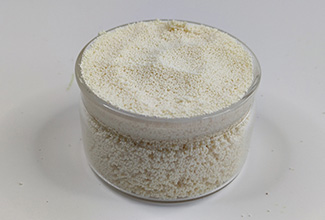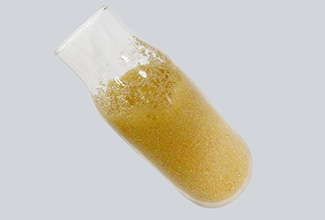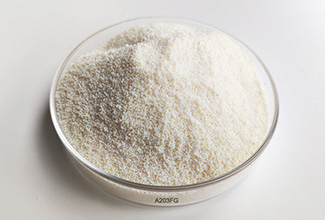
Groundwater in Bangladesh exceeds the arsenic standard seriously, and well water as deep as 300 meters is not spared. Long-term consumption of arsenic-exceeding groundwater is prone to drinking-type endemic arsenicosis (referred to as “ground arsenic disease”), which can lead to lung cancer, skin cancer and other cancers in serious cases. The ion exchange resin method is an effective solution to significantly reduce the concentration of arsenic in water.
Specifically, COMCESS® CD836 is a specialty ion exchange resin with excellent macroporous properties, suitable for use in a wide range of pH and temperature conditions, and capable of meeting food grade standards. The resin not only has a high adsorption capacity for arsenic, but also can be used directly without pretreatment.
To summarize, the ion exchange resin method is one of the effective methods to solve the problem of arsenic excess in Bangladesh water. By choosing the right type of resin and carrying out appropriate regeneration and maintenance, the concentration of arsenic in water can be effectively reduced to ensure the safety of people's drinking water.