
As the global nuclear power industry steadily expands and the demand for nuclear energy—a clean energy source—continues to rise, the development of technologies for the efficient, high-purity extraction of uranium—a critical nuclear raw material—has become a key area of research within the mineral and energy sectors. Long-term application of traditional uranium extraction processes has revealed significant challenges, most notably low extraction efficiency, high levels of residual impurities in the final product, complex process workflows, and high operation and maintenance costs; these issues severely constrain the development and large-scale production of low-grade uranium resources.
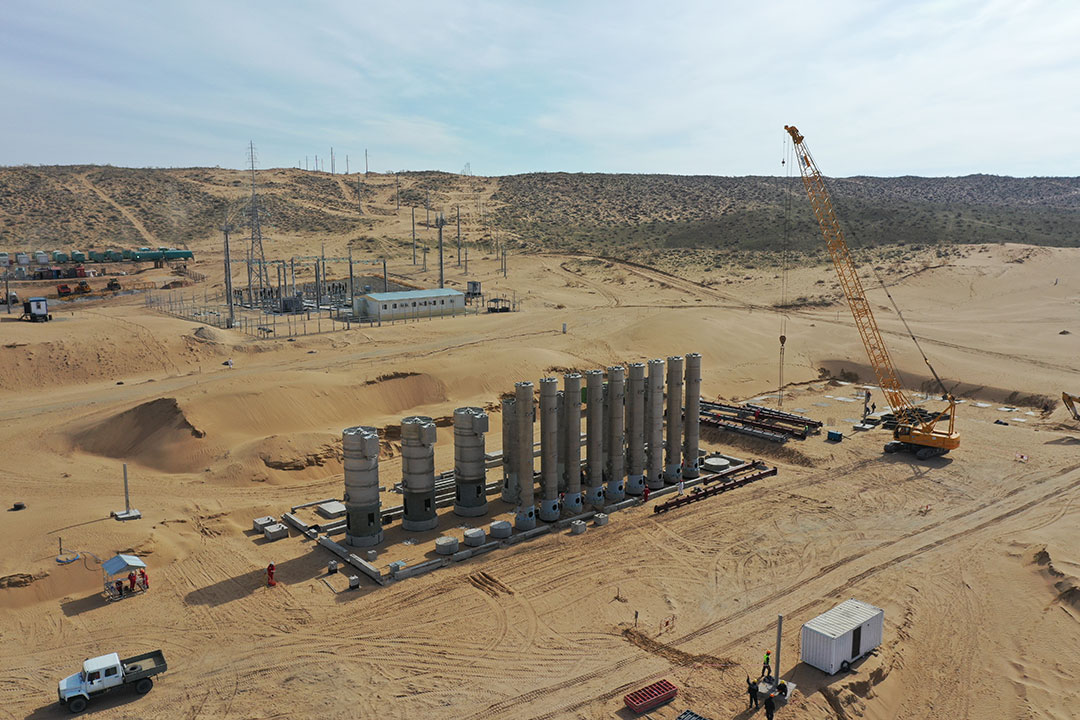
Overview of Ion Exchange Resins for Uranium Extraction
Not all ion-exchange resins are suitable for uranium extraction operations; there are significant differences in structure, functionality, and suitability between general-purpose resins and industrial-grade resins specifically designed for uranium extraction. Mastering the fundamental properties of specialized resins is a prerequisite for understanding the logic behind their application in uranium extraction.
Core Classification and Structural Characteristics of Resins for Uranium Extraction
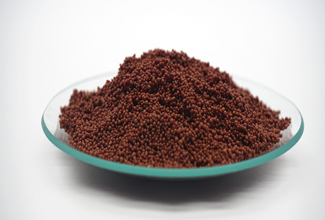
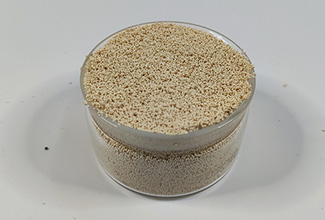
Ion exchange resins used industrially for uranium extraction primarily consist of strong-base anion exchange resins, supplemented by a small proportion of modified chelating resins; these constitute the core product categories suited for purifying uranium leach solutions. These resins feature a porous, cross-linked polymeric network structure and exhibit exceptional physical stability. They withstand complex mineral solution environments, acidic and alkaline elution conditions, and long-term cyclic operations without suffering from breakage, swelling, or structural collapse, thereby fully meeting the demands of continuous industrial production.
Core Functional Groups and Mechanisms
Resins designed for uranium extraction incorporate specific functional groups capable of selectively adsorbing uranyl ions. Unlike general-purpose resins used for standard water treatment or purification, these specialized resins feature modified and optimized functional groups that offer superior binding affinity and higher specificity for uranium ions. They effectively resist interference from common metal and impurity ions found in the solution—a key structural advantage that enables the precise separation of uranium.
Key Differences Between General-Purpose and Uranium-Specific Resins
Standard ion-exchange resins are suitable only for routine water purification and basic ion-exchange applications; they lack the ability to specifically adsorb uranium ions. When exposed to the complex impurity profiles of uranium leach solutions, they suffer from issues such as non-selective adsorption, low uranium purity, and insufficient adsorption capacity. In contrast, uranium-specific resins are custom-engineered for hydrometallurgical uranium extraction. They offer targeted enhancements in adsorption selectivity, resistance to acid-base corrosion, operational lifespan, and resistance to impurity interference, making them the essential, specialized consumables for uranium extraction processes.
Core Working Principle of Ion Exchange Resins in Uranium Extraction
Ion-exchange resins enable the highly efficient extraction and purification of uranium, relying fundamentally on specific ion-exchange and adsorption-desorption reactions; the entire process constitutes a scientifically sound, closed-loop system, which serves as the core theoretical basis for the technology's practical industrial application.
Selective Adsorption Process for Uranium Ions
Leaching of uranium ore produces a uranium-bearing pregnant solution containing uranyl ions alongside significant quantities of impurity ions such as iron, aluminum, calcium, and magnesium. As the solution flows through the resin adsorption column, the functional groups of the specialized uranium-extraction resin selectively capture uranyl ions via coordination and ion-exchange reactions, firmly anchoring them to the resin's skeletal structure. Conversely, most impurity ions in the solution do not bind to the resin groups and are discharged with the waste liquid, thereby achieving the initial separation of uranium from impurities.
Principles of Elution for Saturated Resin
Once all adsorption sites are occupied by uranium ions, the resin reaches saturation and loses its adsorption capacity. At this stage, the saturated resin is washed with a specialized acidic or alkaline eluent. This eluent breaks the bonds between the resin and the uranium ions, effectively releasing the adsorbed ions to produce a high-concentration, high-purity uranium-enriched solution, thereby completing the purification and concentration of the uranium.
Principles of Resin Regeneration and Recycling
The resin remains functional after elution; through regeneration steps—such as rinsing with clean water, pH adjustment, and activation—residual impurity ions are thoroughly removed, restoring the resin's adsorption activity and available sites. The performance of the regenerated resin approaches that of fresh resin, allowing it to be reused in adsorption operations, which significantly reduces industrial production costs.
Applicable Scenarios for Ion Exchange Resins in Uranium Extraction
Through industrial iteration and optimization, ion-exchange resin technology has been adapted to mainstream wet uranium extraction processes; capable of supporting various mining methods and meeting production requirements across diverse ore types and operating conditions, it is a highly versatile uranium purification technology.
In-Situ Leaching (ISL) Uranium Extraction and Purification
In-situ leaching is currently the mainstream low-carbon uranium extraction process. It involves injecting a leaching agent into underground ore bodies to dissolve uranium and create uranium-bearing groundwater. The resulting pregnant solution features stable water quality and relatively controllable impurity levels, making it well-suited for ion-exchange resin adsorption and purification. This method enables efficient uranium recovery without large-scale ore mining, aligning with requirements for lightweight and environmentally friendly production.
Heap Leaching Uranium Extraction and Purification
Heap leaching is the industry-standard process for treating low-grade and scattered uranium ore resources. The uranium-bearing pregnant solution generated via heap leaching is characterized by large volumes, low uranium concentrations, and complex impurity profiles, resulting in very low recovery rates when using traditional purification methods. In contrast, ion-exchange resins excel at adsorbing low-concentration ions, allowing for the precise enrichment of uranium from large volumes of dilute solution—making them ideal for the purification of heap-leached uranium.
Deep Purification of Uranium Solutions
Regardless of whether in-situ leaching, heap leaching, or traditional milling and leaching processes are used, uranium-bearing solutions often retain trace impurities after preliminary purification, falling short of industrial nuclear raw material standards. Ion-exchange resins serve as a core technology for deep purification, enabling the secondary refining of crude uranium solutions. By removing residual heavy metals and non-metallic impurities, this process significantly enhances the purity of the final uranium product, meeting the standards required for high-end industrial applications.
Core Technical Advantages of Ion Exchange Resins for Uranium Extraction
Compared to traditional uranium extraction processes such as solvent extraction and chemical precipitation, ion-exchange resin technology offers comprehensive advantages in terms of purification efficiency, cost control, environmental friendliness, and adaptability—factors that are central to its widespread industrial adoption.
High Adsorption Selectivity And Superior Product Purity
Leveraging the targeted adsorption capabilities of specific functional groups, specialized resins precisely recognize uranyl ions and minimize interference from impurity ions, effectively resolving issues with excessive impurity residues found in traditional processes. Uranium solutions purified via this resin method exhibit significantly higher purity than those from traditional processes, directly meeting the stringent requirements of high-precision applications such as nuclear energy and advanced metallurgy.
Suitable for Low-Grade Ore Resources With High Utilization Efficiency
Traditional extraction processes are generally suited only for high-grade uranium ores; they perform poorly with low-concentration uranium-bearing leach solutions, resulting in significant resource waste. Ion-exchange resins possess exceptional enrichment capabilities for low-concentration uranium ions, enabling the efficient recovery of uranium from low-grade ores and tailings solutions. This substantially boosts the comprehensive utilization rate of uranium resources and revitalizes low-efficiency mineral assets.
Recyclable and Reusable With Low Comprehensive o&m Costs
Resins can be reused repeatedly after elution and regeneration; they offer a long service life, eliminating the need for frequent consumable replacements. Unlike solvent extraction—which involves the one-time consumption of reagents—or precipitation processes—which generate large volumes of solid waste—the resin process drastically reduces costs associated with consumables procurement and production operations and maintenance, making it ideal for large-scale, continuous production.
Environmentally Friendly Process With Minimal Solid Waste And Effluent Discharge
Traditional uranium extraction processes generate vast quantities of chemical precipitation residues and spent extraction reagents, placing immense pressure on environmental management. The ion-exchange resin process produces no significant solid waste, and effluent can be recycled after simple treatment. This results in superior overall environmental performance, aligning with global standards for green industrial production.
Limitations and Technical Constraints of Ion-Exchange Resins in Uranium Extraction
Despite the significant advantages of resin technology, its application remains subject to certain limitations imposed by operating conditions, water quality, and process parameters; only by objectively recognizing these shortcomings can the process be optimally matched to the application.
Interference of Impurity Ions with Adsorption Efficiency
If the uranium leach solution contains high concentrations of competing ions, these ions occupy some of the resin's adsorption sites, thereby reducing the resin's adsorption capacity and rate for uranium ions. This leads to decreased extraction efficiency and poorer purification results; consequently, feed solutions with high impurity levels require pre-treatment.
Susceptibility to Resin Aging and Failure Under Extreme Operating Conditions
Prolonged exposure to extreme leach solution environments—characterized by extreme acidity or alkalinity, high temperatures, and high salinity—causes the resin's polymer backbone to age and the activity of its functional groups to decline. Issues such as swelling, fragmentation, and reduced adsorption capacity arise, shortening the resin's service life and increasing operational and maintenance costs.
Unsuitability for Direct Treatment of Ultra-High-Concentration Uranium Solutions
For uranium feed solutions with very high concentrations and viscosities, the resin reaches adsorption saturation too quickly, necessitating frequent elution. This not only lowers production efficiency but also accelerates resin degradation; therefore, ultra-high-concentration uranium solutions require dilution and pre-treatment before undergoing resin-based purification.
Specific Requirements for Professional Operation and Maintenance
The resin adsorption, elution, and regeneration processes involve strict parameters regarding reagent concentration, flow rate, temperature, and pH value. Improper control of these parameters directly impacts resin performance and purification outcomes, necessitating professional personnel to manage process parameters and creating a certain operational threshold.
Standard Operating Procedure for Uranium Extraction Using Ion-Exchange Resin
In industrial applications, the resin-based uranium extraction process follows a fully standardized workflow; with each stage seamlessly integrated and every step strictly controlled, the stability of extraction efficiency and product purity is ensured.
Pregnant Solution Pre-treatment Process
The uranium-bearing pregnant solution undergoes filtration, sedimentation, and pH adjustment to remove suspended particles and coarse impurities, reduce the concentration of competing ions, and optimize water quality conditions. This step prevents impurities from clogging resin pores or interfering with adsorption efficiency, thereby laying the foundation for the subsequent adsorption process.
Dynamic Resin Adsorption Process
The pre-treated uranium-bearing solution is fed into the resin adsorption equipment at a constant flow rate. Through dynamic circulating adsorption, the resin fully captures uranyl ions from the solution until saturation is reached, effectively concentrating and immobilizing the uranium.
Saturated Resin Elution Process
A suitable eluent is selected to perform counter-current washing of the saturated resin, precisely desorbing the adsorbed uranium ions and collecting a high-concentration uranium-rich solution. Strict control over eluent concentration and flow rate ensures thorough uranium ion desorption and maximizes recovery rates.
Resin Regeneration and Activation Process
Following elution, the resin undergoes rinsing with clean water, acid-base activation, and neutralization to remove residual impurities and restore adsorption activity and sites. Once verified as compliant, the resin is returned to the production line for reuse.
Deep Purification of Uranium Product Solution
The uranium-rich eluate undergoes secondary resin refining and filtration to remove trace impurities, yielding a high-purity uranium product solution that meets the standards required for subsequent industrial processing and enrichment.
Key Performance Evaluation Indicators for Ion-Exchange Resins Used In Uranium Extraction
During industrial resin selection and process acceptance, the uranium-extraction performance of resins can be evaluated using multiple quantitative indicators, providing precise data to support resin selection and process optimization.
Uranium Ion Adsorption Capacity
This refers to the maximum total amount of uranium ions that a unit volume of resin can adsorb. It is a core indicator of the resin's uranium extraction capability; a higher adsorption capacity allows for a larger volume of feed solution to be processed in a single operation and results in higher production efficiency, making it suitable for large-scale production needs.
Ion Adsorption Selectivity
This represents the resin's ability to selectively adsorb uranium ions while distinguishing them from impurity ions. A higher selectivity value indicates stronger resistance to impurity interference and yields higher purity in the final uranium product; it is a key parameter for evaluating the quality of specialized resins.
Elution Recovery Rate
This refers to the proportion of uranium ions recovered during the elution of saturated resin and directly determines the utilization rate of mineral resources. High-quality specialized resins offer high elution recovery rates and low residual levels, thereby minimizing uranium resource loss.
Cyclic Service Life
This refers to the total number of adsorption-elution-regeneration cycles a resin can stably complete. A longer service life results in lower consumable costs per unit of output and superior industrial cost-effectiveness, making it a crucial metric for large-scale production.
Impurity Removal Rate
This is used to evaluate the resin's capacity to capture and remove impurity ions from the leach solution. A higher impurity removal rate leads to greater purity in the final uranium solution and effectively reduces the processing burden for subsequent refining stages.
Overall, ion-exchange resin technology is a mature, mainstream process in modern uranium extraction and purification, backed by extensive industrial validation. By optimizing feed solution pretreatment, strictly controlling process parameters, and standardizing resin regeneration and maintenance, the technology's inherent limitations can be effectively mitigated to achieve efficient, low-cost, and high-purity uranium production; it stands as a highly cost-effective core purification technology within the nuclear mineral industry.
.png)
