
For anyone involved in water treatment, encountering a sudden drop in the effluent conductivity of a mixed bed system is an all-too-common occurrence.
Replacing an entire vessel of resin can easily cost tens of thousands—a truly painful expense. Yet, attempting to regenerate the resin yourself often leads to issues such as poor resin separation, failure to meet water quality standards post-regeneration, or a gradual deterioration in resin performance over time.
mixed bed resin regeneration is far from a simple process of merely adding acid and alkali for a quick rinse; every single detail directly determines the effectiveness of the regeneration, the service life of the resin, and the overall operating costs. This guide provides a comprehensive breakdown of the entire process—from fundamental principles and on-site practical operations to cost accounting and troubleshooting. Whether you are an operations and maintenance technician just starting out or a manager looking to optimize system costs, you will find actionable, practical insights within these pages.
What is Mixed Bed Resin?
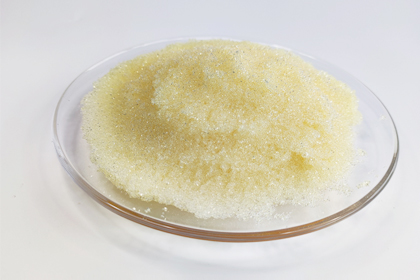
mixed bed resin refers to a resin system in which strong acid cation exchange resins (SAC) and strong base anion exchange resins (SBA) are uniformly blended in a fixed ratio within a single exchange vessel.
The two types of resins perform distinct functions. The cation resin is responsible for capturing positive ions (cations)—such as calcium, magnesium, and sodium—present in the water, exchanging them for hydrogen ions. The anion resin is responsible for capturing negative ions (anions)—such as chloride, sulfate, and silicate—exchanging them for hydroxide ions. The hydrogen ions and hydroxide ions released during these exchange processes then combine to form pure water.
Precisely because the two types of resins are uniformly mixed, enabling the simultaneous exchange of both cations and anions, the effluent water quality produced by a mixed bed system is far superior to that of a single-bed system, allowing for the stable production of ultrapure water.
Currently, mixed bed resins are utilized in virtually every industry that demands extremely high standards for water quality. Examples include boiler feedwater in power plants—where even trace amounts of ions can lead to boiler scaling and corrosion; wafer cleaning in the semiconductor industry—where minute impurities can result in the scrapping of entire chips; and water for injection (WFI) in the pharmaceutical industry—which must strictly adhere to pharmacopoeia standards. Furthermore, ultrapure water systems in laboratories and electronics manufacturing facilities rely on mixed bed units as a critical core component.
The Core Challenges of Mixed Bed Resin Regeneration
Many people struggle to successfully regenerate mixed bed resins primarily because they fail to grasp the fundamental differences between mixed bed regeneration and the regeneration of single-bed resins. The regeneration logic for single-bed resin systems is straightforward: a single vessel contains either cationic or anionic resin exclusively; by simply introducing the corresponding regenerant, the regeneration process is completed with virtually no risk of cross-contamination.
mixed bed systems, however, are a different story; their core challenge stems precisely from their defining characteristic—the "mixture."
Cationic resins require acidic regenerants, while anionic resins require alkaline ones. If acid and alkali come into direct contact, a neutralization reaction occurs; this not only completely nullifies the regenerative effect but also severely contaminates the resins, resulting in irreversible performance degradation.
Consequently, the first—and most critical—hurdle in mixed bed regeneration is the complete and total separation of the two types of resins, which were originally uniformly mixed. The density difference between the two resins is inherently slight; if the backwash flow rate is incorrect, the resin bed may either fail to expand sufficiently to allow for separation, or—if the flow rate is too high—the resins may be fractured or flushed out of the vessel entirely. Even if the backwashing is executed perfectly, improper handling during the subsequent settling phase can result in poor stratification, leaving behind a latent risk of cross-contamination.
Even assuming proper stratification has been achieved, any slight deviation in flow rate, liquid level, or valve control during the introduction of the regenerant can lead to acid bleeding into the anionic resin layer or alkali bleeding into the cationic resin layer—at which point, the entire regeneration attempt is effectively a failure.
Step-by-Step Analysis: The Complete Process of Mixed Bed Resin Regeneration
.png)
The prevailing regeneration method in the industry is in-situ simultaneous regeneration utilizing a central drain device. This method is compatible with the vast majority of industrial mixed bed systems; it adheres to standardized operating protocols and boasts high regeneration efficiency. The steps outlined below are centered around this specific methodology.
Backwashing and Resin Separation
This stage is the critical determinant of success for the entire regeneration process. If proper stratification is not achieved here, all subsequent operations will be rendered futile.
First, shut down the mixed bed system and close the inlet and outlet valves. Then, open the backwash inlet valve and the backwash drain valve. The core principle of backwashing is to utilize an upward flow of water to lift the entire resin bed. By leveraging the inherent characteristics—specifically, the higher density of cationic resins and the lower density of anionic resins—natural stratification is achieved.
During operation, the backwash flow rate must be controlled within the range of 10–15 m/h to maintain a stable resin bed expansion rate of 50%–70% (i.e., the height of the resin bed should increase to 1.5 to 1.7 times its original height). This specific range represents the optimal value, validated through countless field trials. If the flow rate is too low, the resin bed will not lift sufficiently; consequently, impurities and broken resin fragments will not be flushed out, and proper stratification cannot occur. Conversely, if the flow rate is too high, intact resin beads may be flushed out of the tank, and the excessive force can also lead to resin breakage.
The duration of the backwash cycle is typically controlled to last between 10 and 15 minutes. Aside from facilitating stratification, the primary objective is to flush out any suspended solids and fine resin fragments that have been trapped within the resin bed. These impurities can interfere with the subsequent settling of the resin and may clog the resin's internal pores as well as the tank's underdrain nozzles (water caps); therefore, they must be thoroughly removed in advance.
Upon completion of the backwash cycle, it is imperative to close the backwash inlet valve slowly , allowing the resin to settle naturally under the influence of gravity. The valve must not be closed abruptly; doing so would create severe hydraulic turbulence within the tank, causing the previously separated resin layers to remix.
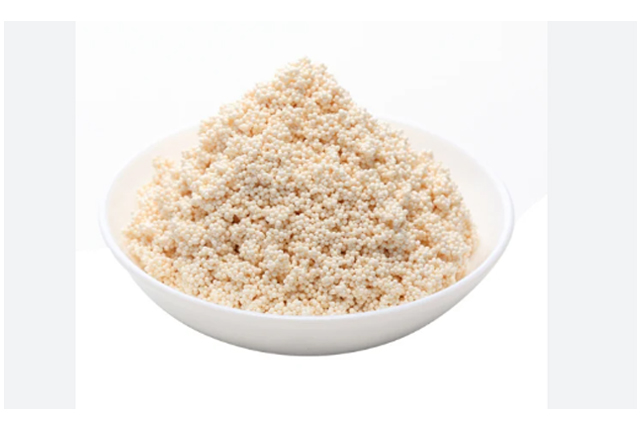
Once the settling phase is complete, inspect the effectiveness of the stratification through the tank's sight glass or access manhole. A successful stratification will exhibit a distinct boundary: the lower layer will consist of brown-colored cationic resin, while the upper layer will consist of milky-white or pale-yellow anionic resin, with no discernible mixed transition zone between them.
If the stratification results are unsatisfactory, do not proceed to the next step. A 0.5%–1% sodium hydroxide solution can be injected into the tank for a soaking period of 10–20 minutes. Anion resins swell upon contact with alkali, while cation resins contract; this process amplifies the density difference between the two types of resins. Subsequently, a backwash is performed to re-stratify the resin bed, a procedure that typically ensures the system meets the required quality standards.
Chemical Regeneration Process
Once stratification is complete, the liquid level within the tank must be adjusted by lowering the water line to a position 10–20 cm above the resin bed. If the water level is too high, it dilutes the regenerant, thereby diminishing regeneration efficiency; conversely, if the water level falls below the surface of the resin bed, the resins are exposed to air, leading to a disruption of the stratified layers.
The core principle of simultaneous regeneration lies in the synchronized introduction of acidic and alkaline regenerants—and their simultaneous discharge via a central outlet device. This ensures that the two regenerant solutions converge precisely at the interface between the stratified anion and cation resin layers. Throughout the entire process, neither solution intrudes into the opposing resin layer, thereby fundamentally preventing cross-contamination.
The hydrochloric acid regenerant is introduced from the bottom of the tank to regenerate the lower layer of cation resins; concurrently, the sodium hydroxide regenerant is introduced from the top of the tank to regenerate the upper layer of anion resins.
The flow rate for both regenerant solutions must be stably controlled within the range of 2–5 m/h, and the contact time with the resins must not be less than 30 minutes. The regeneration reaction requires sufficient time to reach completion; if the contact time is inadequate, impurity ions within the resins cannot be effectively displaced, resulting in a significantly compromised regeneration outcome.
Regarding regenerant concentration, for typical industrial applications, the optimal range is 2%–4%. If the concentration is too low, the regeneration reaction remains incomplete, preventing the full restoration of the resin's exchange capacity. Conversely, if the concentration is too high, it leads to significant chemical waste without yielding a substantial improvement in the resin's exchange capacity; moreover, it accelerates the aging of the resin's functional groups, thereby shortening its service life.
A specific cautionary note is warranted here: if sulfuric acid is used instead of hydrochloric acid for cation resin regeneration, a step-wise introduction method must be strictly employed. One should begin by introducing a low-concentration solution (0.5%–1%) and then gradually increase the concentration to the target level of 2%–4%. If high-concentration sulfuric acid is introduced directly, calcium ions present in the water will react with sulfate ions to form calcium sulfate precipitates. These precipitates can clog the pores within the resin beads—making them virtually impossible to remove—and will effectively render the resin permanently unusable. If your mixed bed column lacks a mid-lateral collection device, or if the resin separation results have consistently been unsatisfactory, you may opt for the step-wise regeneration method instead. First, introduce sodium hydroxide from the top to regenerate the anion resin, discharging the spent regenerant through the mid-lateral outlet. Once regeneration is complete, rinse the anion resin layer with pure water until the effluent pH stabilizes within the range of 8–9. Next, introduce hydrochloric acid from the bottom to regenerate the cation resin, similarly discharging the spent regenerant through the mid-lateral outlet. Upon completion of this regeneration step, rinse the cation resin layer until the effluent pH stabilizes within the range of 3–4. This method effectively eliminates cross-contamination; however, it involves more operational steps and requires a longer processing time.
Rinsing Process
After the regenerant has been fully introduced, do not immediately stop the pump or switch the valves; instead, perform a displacement rinse—commonly referred to as the "slow rinse."
Maintain the same influent flow rate and flow direction (top-in, bottom-in) used during regeneration, but switch the influent medium from regenerant to pure water. Continue to introduce water simultaneously from both the top and bottom of the column while continuously discharging the effluent through the mid-lateral outlet. This process should continue for 30–40 minutes; its objective is to thoroughly flush out any residual regenerant trapped within the resin pores, as well as any impurity ions displaced during the regeneration reaction.
A common issue encountered after regeneration is the failure of the effluent conductivity to drop to acceptable levels. The primary cause is an insufficient duration of the displacement rinse; residual acids and bases remain trapped within the resin layer and will inevitably leak into the effluent once the system resumes normal operation.
Once the displacement rinse is complete, close the mid-lateral outlet and proceed to the final rinse phase—commonly referred to as the "fast rinse." Introduce water from the top of the column and discharge it from the bottom, increasing the flow rate to 15–20 m/h to perform a continuous rinse.
The completion of the rinse is determined not by a fixed duration, but solely by the quality of the effluent. The rinse is considered complete only when key effluent parameters—such as conductivity, resistivity, pH, and silica content—meet the specific operational standards of the system. For standard industrial mixed bed systems, the effluent conductivity is typically required to drop below 0.1 μS/cm; for ultra-pure water systems, the effluent must achieve a resistivity of 18.2 MΩ·cm and a pH value approaching neutrality.
Resin Remixing
The separated anion and cation resins must be thoroughly and uniformly remixed in order to restore the mixed bed column's ability to produce high-quality effluent. If the mixing is uneven and the cation and anion resins remain stratified, the system effectively functions as two single-bed units connected in series; consequently, it fails to meet the water quality standards typically expected of a mixed bed system.
Currently, the most widely adopted method in the industry is mixing via compressed air. First, the water level within the vessel is adjusted to a position 10–15 cm above the resin bed. If the water level is too high, the compressed air cannot generate sufficient agitation to thoroughly mix the resin; conversely, if the level is too low, the resin becomes exposed to the air, leading to severe fragmentation and abrasion during the mixing process.
Next, open the air inlet valve located at the top of the vessel and the air outlet valve at the bottom. Introduce compressed air at a pressure of 0.1–0.15 MPa, maintaining an air-scouring flow rate of 2–3 m³/(m²·min), and continue mixing for 3–5 minutes. Prolonged mixing can cause severe abrasion of the resin particles and generate a significant amount of fine resin dust—a detrimental outcome that outweighs the benefits.
Upon completion of the mixing phase, the most critical step is to instantaneously close the air inlet valve while simultaneously and rapidly opening the water inlet valve at the bottom and the water outlet valve at the top. This allows the flow of water to drive the rapid and uniform settling of the resin bed. If the air is vented and the pressure is released gradually, the resin will naturally re-stratify based on density differences, rendering the preceding mixing operation entirely futile.
Once the settling process is complete, perform a brief rinse (forward wash) to verify that the effluent water quality is stable and meets the required standards; at this point, the entire regeneration cycle is finished, and the mixed bed unit is ready to be returned to service.
.png)
Selection of Common Chemicals for mixed bed Resin Regeneration
The choice of regenerating agent directly impacts regeneration efficiency, operational complexity, and operating costs. Currently, there are only three mainstream regenerating agents used within the industry.
Regenerating Agents for Cation Resins
Hydrochloric acid (HCl) is the preferred choice for the vast majority of industrial sites. Its advantages are evident: the regeneration reaction is thorough, it does not generate precipitates, operation is simple (requiring no step-wise concentration adjustments), it causes minimal damage to the resin, and it is compatible with almost all application scenarios. Its disadvantages include higher transportation costs compared to sulfuric acid (at equivalent effective concentrations) and the presence of chloride ions; if a site faces strict regulations regarding chloride ion discharge, wastewater treatment planning must be conducted in advance.
The core advantage of sulfuric acid (H2SO4) lies in its low price and lower transportation costs; for an equivalent regeneration dosage, the chemical cost is significantly lower than that of hydrochloric acid. However, its disadvantages are equally prominent: it reacts very easily with calcium ions present in the water to form calcium sulfate precipitates. Consequently, a strict step-wise feeding procedure must be implemented, placing high demands on the operational experience of on-site personnel. Any failure in control can result in the permanent irreparable damage (scrapping) of the resin. Furthermore, its highly corrosive nature introduces increased operational safety risks.
Regenerating Agents for Anion Resins
Sodium hydroxide (NaOH)—whether in liquid form (caustic soda solution) or solid form (caustic soda flakes)—is the sole mainstream choice for anion resin regeneration; there are currently no superior alternatives available.
When making a selection, particular attention must be paid to purity. This is especially critical for ultra-pure water systems, where it is mandatory to select high-purity caustic soda produced via the ion-membrane method, strictly controlling the content of impurities such as sodium chloride and iron ions. Industrial-grade caustic soda containing excessive levels of impurities can severely contaminate the anion resin, preventing the complete elution of silicate ions during regeneration and resulting in the treated water quality consistently failing to meet standards over the long term.
Here is a practical tip for on-site operations: when regenerating anion resins, heating the sodium hydroxide solution to 35–40°C can improve the elution efficiency of silicate ions by over 30%. This effect is particularly pronounced in systems processing influent water with high silica concentrations. However, a word of caution: the temperature of the caustic solution must not exceed 45°C; doing so would damage the functional groups of the anion resin, leading to premature resin aging.
Selection Summary
For standard industrial applications without specific discharge restrictions, using hydrochloric acid for cation resins and sodium hydroxide for anion resins remains the most prudent choice. This combination offers simple operation, stable regeneration results, and a high tolerance for operational errors. The use of sulfuric acid as a substitute for hydrochloric acid should only be considered in scenarios involving extremely high regeneration volumes, strict cost-control requirements, and the presence of mature operational expertise on-site.
Key Control Parameters for Effective Regeneration
In many instances, poor regeneration results are not due to faulty equipment or incorrect chemical reagents, but rather because core operational parameters have not been properly controlled.
Regenerant Concentration: In standard scenarios, maintaining a stable concentration of 2%–4% is sufficient; do not blindly increase the concentration. Only when the resin exhibits mild fouling—resulting in diminished regeneration efficiency—should the concentration be increased slightly and appropriately; however, it must never exceed 5%.
Contact Time:This is a critical, non-negotiable metric. Regardless of how the flow rate is adjusted, the contact time between the regenerant and the resin must be no less than 30 minutes. Ideally, it should be maintained at approximately 40 minutes, as this constitutes the minimum requirement for ensuring the regeneration reaction proceeds to completion.
Flow Rate Control: Flow rates must be strictly controlled and executed in distinct stages: Backwashing should be performed at 10–15 m/h; regenerant introduction at 2–5 m/h (the displacement rinse should maintain the same flow rate as the regeneration step); and forward washing at 15–20 m/h. These rates should not be adjusted arbitrarily.
Temperature:Regarding temperature control, cation resin regeneration can typically be performed at ambient temperature. For anion resin regeneration, it is preferable to heat the alkali solution to 35–40°C to enhance the efficiency of silica elution; however, the temperature must strictly not exceed 45°C.
Regeneration Frequency:There is no fixed standard for regeneration frequency; one should not adhere to rigid weekly or monthly schedules. The primary criterion for judgment is the quality of the effluent water; the optimal time to initiate regeneration is when the effluent quality parameters fail to meet the required water usage standards. Premature regeneration results in a wasteful consumption of chemical reagents and water resources, whereas delaying regeneration leads to excessive resin exhaustion, exacerbated fouling, and a shortened service life.
Furthermore, detailed operational records should be maintained for every regeneration cycle. If the duration of continuous operation following regeneration begins to consistently shorten, it indicates that the resin may be fouled or that the regeneration parameters require adjustment; prompt investigation and corrective action are therefore required.
Common Issues and Troubleshooting
Poor Resin Separation
This is the most frequently encountered issue in field operations, stemming primarily from four core causes: (1) An incorrect backwash flow rate, resulting in a resin bed expansion ratio that falls below the required standard; (2) The accumulation of significant quantities of crushed resin fines and suspended solids within the resin bed, which interfere with the settling process; (3) Resin fouling, which alters the resin's density and prevents it from stratifying (layering) normally; and (4) Closing the valves too abruptly after backwashing, causing hydraulic turbulence that results in the remixing of the resin layers. The corresponding solutions are also clear-cut: first, adjust the backwash flow rate to stabilize the bed expansion rate between 50% and 70%, and extend the backwash duration to 15–20 minutes to thoroughly flush out fine resin particles and suspended solids. If the resin layers remain poorly separated, soak the resin in a 0.5%–1% sodium hydroxide solution for 20 minutes to amplify the density difference, then perform a backwash again. If resin contamination is confirmed, complete the resin revitalization process before proceeding with the regeneration operation.
Persistently High Effluent Conductivity After Regeneration
When this issue arises, begin by troubleshooting the most common causes: poor resin stratification leading to cross-contamination between acid and alkali during regeneration; insufficient regenerant concentration or dosage, or inadequate contact time, resulting in incomplete resin regeneration; insufficient displacement and rinsing times, leaving significant amounts of residual regenerant trapped within the resin bed; uneven resin mixing, preventing the mixed bed system from achieving its intended ion exchange efficiency; or long-term resin contamination, resulting in an irreversible decline in exchange capacity.
Troubleshooting and remediation steps should be followed sequentially: first, verify whether the resin layers are clearly separated; if not, re-stratify and regenerate the resin. Next, verify the regenerant concentration, dosage, and contact time to ensure they meet specifications. Extend the displacement and forward rinse times until the effluent pH approaches neutrality and the conductivity shows a significant decline. If uneven mixing is the issue, perform a fresh resin mixing procedure using compressed air. If none of the above measures prove effective, inspect the resin for contamination and perform a revitalization treatment; in severe cases, the resin should be replaced entirely.
Resin Contamination and Treatment
Resin contamination is the primary cause of diminished regeneration efficiency and reduced resin service life. There are three most common types of contamination:
Iron Contamination: This primarily stems from excessive iron ion levels in the influent water or high levels of iron impurities within the regenerant chemicals. Iron ions tend to precipitate within the pore channels of the cation exchange resin, thereby blocking active exchange sites. The visual manifestation of this contamination is a color change in the resin—shifting from a tan or light brown hue to a dark brown or blackish-brown—accompanied by a drastic reduction in the resin's continuous service run time. The recommended treatment involves soaking the resin in a 10%–15% hydrochloric acid solution for 4–8 hours, followed by a thorough rinse with purified water, before proceeding with the standard regeneration procedure.
Organic contamination primarily stems from high-molecular-weight organic substances in the influent—such as humic acids and fulvic acids. These substances adsorb within the pore channels of the anion exchange resin and cannot be eluted through standard regeneration procedures. The visible symptoms include a color change in the anion resin—shifting from pale yellow to deep yellow, or even brown—as well as persistently elevated silica levels in the effluent and, in some cases, the appearance of foul odors. The prescribed treatment involves soaking the resin for 8 to 12 hours in a mixed solution of 10% sodium chloride and 4% sodium hydroxide, heated to 40°C; the resin is then thoroughly rinsed with pure water before undergoing a standard regeneration cycle.
Silica contamination is fundamentally caused by deficiencies during the anion resin regeneration process—specifically, insufficient alkali concentration, inadequate temperature, or insufficient contact time. Consequently, silicate ions within the resin are not completely eluted; over time, these accumulated silicates polymerize into complex silica structures that cannot be removed via standard regeneration. The visible symptom is a persistent elevation of silica levels in the effluent, which remains uncorrected despite multiple regeneration attempts. The treatment protocol involves soaking the resin for 4 to 6 hours in a 4%–5% sodium hydroxide solution heated to 40°C; this process should be repeated 2 to 3 times, followed by a standard regeneration cycle. If these measures prove ineffective, the resin must be replaced.
Abnormally Shortened Resin Lifespan
With proper maintenance, mixed bed resins typically have a service life of 3 to 5 years. If a significant decline in performance is observed within just 1 to 2 years, the primary causes are likely one or more of the following factors: Prolonged exposure to excessive concentrations of regeneration chemicals, or the use of excessively high alkali temperatures, which damages the resin's functional groups and accelerates its aging process; excessive backwash flow rates, or the use of excessively high air pressure and prolonged mixing times during the resin mixing phase, leading to extensive resin fragmentation (a normal annual resin loss rate should be below 5%; any rate exceeding this threshold constitutes abnormal wear); repeated contamination of the resin that goes untreated, resulting in the permanent deactivation of ion exchange sites; or excessive residual chlorine levels in the influent, where the strong oxidizing properties of residual chlorine attack the resin's polymer matrix, causing the resin to soften, fragment, and ultimately lose its ion exchange capacity. The corresponding solutions involve strictly controlling regeneration parameters to prevent operations that exceed established limits; adjusting backwash flow rates and resin mixing parameters to minimize resin attrition; and—whenever the residual chlorine concentration in the influent exceeds 0.1 mg/L—installing an activated carbon filter upstream to remove the residual chlorine. Furthermore, should the resin become contaminated, recovery treatment must be initiated immediately rather than being delayed for an extended period.
In-situ Regeneration vs. Off-line Regeneration: Which Is the Right Choice?
In-situ Regeneration (In-vessel Regeneration)
As discussed previously, this method involves the resin remaining entirely within the mixed bed vessel throughout the entire process—including backwashing, regeneration, rinsing, and mixing.
Its advantages are evident: no additional auxiliary equipment is required; operation is simple enough for on-site personnel to handle; both initial investment and the cost per regeneration cycle are low; and it is suitable for the vast majority of small to medium-sized mixed bed systems, as well as scenarios where continuous operation is not a strict requirement.
The disadvantages include the fact that the system must be completely shut down during the regeneration process, preventing continuous water supply. Furthermore, during regeneration, the acidic and alkaline regenerants may corrode the vessel's rubber lining and the internal distributors (water caps). Finally, if operations are not performed correctly, the risk of cross-contamination is higher than with off-line regeneration.
Off-line Regeneration (Ex-vessel Regeneration)
This method involves transferring all exhausted resin from the mixed bed vessel to a dedicated regeneration vessel, where the entire process—including separation, regeneration, rinsing, and mixing—is completed externally. Once the resin passes quality checks, it is transferred back to the mixed bed vessel for service.
This approach is primarily utilized in large-scale ultrapure water systems—such as those found in power plants, semiconductor manufacturing, and pharmaceuticals—as well as in scenarios involving high flow rates and the critical requirement for uninterrupted, 24-hour operation. Its advantages are significant: during the regeneration process, the mixed bed vessel can be immediately loaded with a fresh batch of regenerated resin, eliminating the need for system downtime and resulting in extremely high system utilization. Moreover, since the regeneration process takes place in dedicated equipment within a controlled environment, it prevents contamination of the mixed bed system; the separation and regeneration results are more consistent, and the service life of the resin is extended. Additionally, for heavily fouled resin, the effectiveness of off-line recovery is far superior to that of in-situ regeneration.
The disadvantages include the requirement for dedicated regeneration vessels and resin transfer systems, resulting in high initial equipment investment costs. Furthermore, the operational procedures are complex and require specialized personnel to execute; consequently, this method offers poor cost-effectiveness for small to medium-sized systems.
Selection Summary
For small to medium-sized mixed bed systems with moderate water volumes and no strict requirement for 24-hour continuous water supply, in-situ regeneration offers the best cost-effectiveness. Conversely, for large-scale ultrapure water systems with extremely stringent requirements for continuous operation and effluent water quality—as well as scenarios involving massive quantities of resin requiring regeneration—off-line regeneration is the more appropriate choice.
Analysis of mixed bed Resin Regeneration Costs
Many people are curious about exactly how much money can be saved through regeneration, and at what point it becomes more cost-effective to simply replace the resin rather than regenerating it. Let's do the math and lay out the figures clearly. The cost of regenerating mixed bed resins is primarily divided into four components.
The first component is the cost of chemical reagents, which constitutes the core of the regeneration expense. For standard industrial mixed bed systems, regenerating one cubic meter of resin typically requires 100–150 kg of pure hydrochloric acid and 100–200 kg of pure sodium hydroxide. Based on current market rates—with industrial-grade hydrochloric acid priced at approximately $73.53 per ton and industrial-grade liquid caustic soda at approximately $117.65 per ton—the chemical cost for a single regeneration of one cubic meter of resin falls within the range of $19.12 to $34.56.
The second component covers water and energy consumption. For a single regeneration cycle, the total water consumption—encompassing backwashing, displacement, and rinsing—is roughly 10 to 15 times the volume of the resin itself. When combined with the electricity costs for the backwash pumps, metering pumps, and air compressors, this portion of the expense amounts to approximately 10% to 20% of the chemical reagent cost.
The third component is labor cost. A single regeneration cycle typically takes about 2 to 4 hours to complete and can be performed by a single operator; consequently, the calculated labor cost is extremely low—so low, in fact, that it becomes nearly negligible when amortized across multiple systems undergoing batch regeneration.
The fourth component is wastewater treatment cost. The acidic and alkaline wastewater generated during regeneration must be neutralized to a neutral pH level before it can be discharged. This cost varies depending on local environmental regulations, but generally ranges from $0.44 to $1.76 per ton of wastewater treated. Taking all factors into account, in a standard industrial setting, the total cost to regenerate one cubic meter of mixed bed resin will not exceed $73.53. In contrast, the current market price for industrial-grade mixed bed resin ranges from approximately $2,941.18 to $4,411.76 per cubic meter, while ultra-pure water grade resins can command prices ranging from $5,882.35 to $7,352.94 per cubic meter. A single regeneration cycle can restore over 90% of the resin's exchange capacity. Under normal conditions, the system can operate continuously for 1 to 2 months, requiring regeneration only 6 to 12 times per year. The total annual regeneration cost amounts to a mere $441.18 to $882.35—a figure that represents a 70% to 80% savings in operating costs compared to the expense of a one-time resin replacement, which typically exceeds $2,941.18.
When operated according to standard protocols, mixed bed resins can withstand 200 to 500 regeneration cycles, offering a service life of 3 to 5 years; with proper maintenance, this lifespan can be extended even further.
Of course, continuous regeneration is not always the most cost-effective approach. If the resin's exchange capacity has dropped below 30% of that of new resin—resulting in extremely short operational cycles post-regeneration and an ever-increasing frequency of regeneration—the calculated cost per operational cycle may eventually exceed the amortized cost of replacing the resin with a fresh batch. In such instances, there is no longer any justification for continued regeneration; a direct replacement becomes the more economical choice.
When to Replace Resin Instead of Regenerating It
If any of the following situations arise, you should cease repeated regeneration attempts and proceed directly to replace the resin, as this offers a superior cost-performance ratio:
First: Severe Deterioration of Physical Properties. If broken fines constitute more than 20% of the total resin volume within the tank, the pressure drop across the vessel will rise sharply during operation, impeding water flow. Furthermore, backwashing will fail to effectively remove these fines. In this scenario, the fractured resin has lost its exchange capacity and will continue to clog the underdrain nozzles; consequently, further regeneration serves no practical purpose.
Second: Irreversible Chemical Contamination. This includes instances where anionic resins are heavily contaminated by organic matter—a condition that repeated chemical "revival" treatments fail to remedy, resulting in persistently elevated silica levels in the effluent. Similarly, if cationic resins are severely contaminated by iron or heavy metals such that their exchange capacity cannot be restored, or if the resin structure has been compromised by strong oxidizers (causing the resin to soften and fracture), regeneration cannot restore performance, and replacement is the only viable option.
Third: Severe Decline in Exchange Capacity. If, even after proper regeneration procedures, the continuous operational duration remains less than 30% of that achieved with new resin—and if repeated adjustments to regeneration parameters or chemical revival treatments yield no significant improvement—the escalating frequency of regeneration will cause operating costs to far exceed the cost of installing new resin. In such cases, direct replacement is the more cost-effective solution.
Fourth: When the resin reaches the end of its service life. After 3 to 5 years or more of normal operation, the resin undergoes a significant loss of functional groups. At this stage, no matter how much the regeneration process is optimized, the effluent quality will no longer meet the required water standards, necessitating the timely replacement of the resin.
Practical Tips for Extending the Service Life of mixed bed Resins
The service life of mixed bed resins depends one-third on the quality of the resin itself and two-thirds on daily maintenance. By properly addressing the following points, the operational lifespan of the resin can be significantly extended.
First and foremost is ensuring effective upstream pretreatment; this is the most critical factor. The vast majority of premature resin failures are caused by poor influent water quality. The mixed bed system must be paired with upstream pretreatment equipment—such as reverse osmosis, water softening, or activated carbon filtration—to minimize suspended solids, organic matter, residual chlorine, and water hardness in the influent, thereby preventing contaminants from entering the mixed bed directly. Particular attention must be paid to residual chlorine in the influent; concentrations exceeding 0.1 mg/L will oxidize the resin, making it imperative to remove it completely using an activated carbon filter.
Secondly, resin contamination must be strictly prevented. The concentration of iron ions in the influent should be kept below 0.3 mg/L to avoid iron fouling. The entry of oils and colloidal substances into the mixed bed is strictly prohibited, as these materials can clog the resin pores and are nearly impossible to remove completely through cleaning. Furthermore, the chemical reagents used for regeneration must be qualified, industrial-grade products; never use waste acids or bases for regeneration, as the impurities contained within them will permanently contaminate the resin.
Thirdly, daily operations must be conducted according to established protocols. The backwash flow rate should not be excessively high, to prevent the resin beads from fracturing. The air pressure and duration of the resin mixing process must be strictly controlled to minimize mechanical wear on the resin. Additionally, the resin should not be allowed to become excessively exhausted; regeneration should be performed promptly once the effluent quality exceeds acceptable limits, rather than being delayed for extended periods, which would only exacerbate contamination.
Fourthly, regular maintenance and cleaning are essential. Even if the effluent quality appears normal, the resin should undergo a comprehensive maintenance cleaning every 3 to 6 months. This typically involves soaking the cation resin in hydrochloric acid and the anion resin in a mixed solution of alkali and salt to flush out accumulated trace impurities; do not wait until the contamination becomes severe before taking corrective action.
Finally, proper storage methods must be employed when the resin is not in use. When not in use, resin must absolutely not be allowed to dehydrate and dry out; dry resin will expand rapidly and crack upon contact with water. Instead, the resin should be immersed in a saturated saline solution and stored in a cool, well-ventilated place, avoiding both freezing and direct sunlight.
FAQs
How Often Should Mixed Bed Resins Be Regenerated?
There is no fixed regeneration schedule; the primary criterion for judgment is the quality of the effluent water. The optimal time for regeneration is when key indicators—such as effluent conductivity, resistivity, or silica content—fall below your specific water quality standards.
For standard industrial mixed bed systems, regeneration typically occurs once every 1 to 2 months. In scenarios involving high water consumption or poor influent quality, regeneration may be required as frequently as once every half-month. Conversely, in scenarios with low water consumption and stable influent quality, regenerating every 3 to 4 months is entirely normal. You should not regenerate based on a fixed calendar schedule; regenerating too early wastes chemical reagents, while delaying regeneration can cause damage to the resin.
Can Mixed Bed Resins Be Regenerated Directly Without Separation?
Absolutely not.
mixed bed resins consist of a uniform mixture of cation resins and anion resins. Cation resins require acid regeneration, while anion resins require alkali regeneration. If regenerating agents are added directly without prior separation, the acid and alkali will neutralize each other immediately, rendering the regeneration completely ineffective. Furthermore, this process will severely contaminate the resins, leading to a permanent reduction in exchange capacity—or even rendering the resins completely unusable (requiring their disposal). Even for small-scale laboratory mixed bed systems, the resins must first be separated into distinct layers before regeneration can take place; there are no shortcuts.
What are the Best Chemical Reagents to Use for Regenerating Mixed Bed Resins?
In standard scenarios, hydrochloric acid is the preferred choice for regenerating cation resins, while sodium hydroxide is the preferred choice for regenerating anion resins.
Hydrochloric acid ensures a thorough regeneration reaction, does not generate precipitates, is simple to handle, causes minimal damage to the resin, and is suitable for the vast majority of applications. Sodium hydroxide is the only mainstream option for regenerating anion resins; there are no superior alternatives currently available.
Sulfuric acid should only be considered as a substitute for hydrochloric acid in specific situations: specifically, when the regeneration volume is extremely large, when strict cost-control measures are in place, and when the site personnel possess extensive, proven operational experience. Furthermore, if sulfuric acid is used, a strict step-wise addition protocol must be followed to prevent the formation of calcium sulfate precipitates.
How Long Can Mixed Bed Resins Typically Be Used?
With proper operational procedures and diligent maintenance, industrial-grade mixed bed resins can typically remain in service for 3 to 5 years, completing between 200 and 500 regeneration cycles. If the upstream pre-treatment process is effective, regeneration procedures are followed correctly, and the resins have not been subjected to severe contamination, a service life of 5 to 8 years is also quite common. If the influent water quality is poor, or if operational procedures are not followed correctly—leading to repeated contamination of the resin—the resin's performance may deteriorate severely within just one to two years, necessitating its replacement.
Is It Normal for The Effluent Quality From Regenerated Mixed Bed Resin to Be Inferior to That of New Resin?
Following a proper and standard regeneration process, the resin's exchange capacity should recover to over 90% of that of new resin; consequently, the effluent quality should be virtually indistinguishable from that produced by new resin.
If there is a significant discrepancy in effluent quality after regeneration, it indicates a problem with either the operational procedure or the resin itself. The most likely causes are inadequate resin separation (layering), insufficient dosage of the regenerating agent, incomplete rinsing, or resin contamination. These issues must be investigated and resolved systematically, as such a discrepancy is not a normal occurrence.
.png)
