1. Why Proper Storage of Ion Exchange Resins is Crucial
Ion exchange resins are core materials in water treatment, chemical separation, and other fields. Their performance stability directly determines process effectiveness and operating costs. Maintaining resin performance stability is a fundamental prerequisite for ensuring effluent quality meets standards and reducing regeneration frequency in subsequent applications.
Improper storage can cause various irreversible damages to the resin. From a core perspective, it directly leads to a decrease in ion exchange capacity, reducing the treatment capacity per unit of resin; it also damages the resin's internal hydrophilic structure, causing abnormal water content and further accelerating performance degradation. These problems ultimately shorten the resin's lifespan, increasing replacement costs and downtime losses for the company.
Different types of resins face different risks during storage. Anion exchange resins are more sensitive to oxidative environments and are prone to functional group degradation due to impurities in the storage environment; cation exchange resins are more susceptible to structural damage under dry or low-temperature conditions. Both require specific protective measures.
2. Temperature Requirements for Ion Exchange Resin Storage
Temperature is a core factor affecting the activity and structural stability of resin molecules. Suitable ambient temperatures can effectively delay resin aging and maintain its inherent properties. Excessively high or low temperatures can disrupt the stable state of the resin, leading to a series of performance problems.
Considering the resin's physicochemical properties, its storage temperature should be strictly controlled within the range of 5–40°C. This temperature range maximizes the balance between resin molecular activity and structural stability.
When the storage environment temperature exceeds 40°C, the high temperature accelerates the resin's oxidation reaction, leading to resin matrix degradation and functional group shedding, directly causing a significant decrease in exchange capacity. Simultaneously, high temperatures also accelerate the evaporation rate of internal moisture, increasing the risk of dehydration.
Below 5°C, the risk of resin storage increases significantly. If the temperature drops below 0°C, the internal moisture of the resin will freeze. The expansion of water upon freezing can directly crack the resin beads, destroying its porous structure; this physical damage is often irreversible.
3. Keeping Ion Exchange Resin Moist to Prevent Dehydration
Moisture is a fundamental prerequisite for maintaining the performance of ion exchange resins. Throughout the storage period, it is essential to ensure that the resin remains moist and absolutely avoid drying out. The porous structure and functional group activity of the resin both depend on moisture for maintenance.
Once resin dehydrates, its internal porous structure collapses and shrinks, resulting in a significant reduction in specific surface area and directly affecting the contact efficiency of ion exchange. Simultaneously, dehydration causes functional groups to lose activity, making it difficult to fully restore the original exchange performance even after rehydration, and in severe cases, leading to the resin becoming unusable.
Maintaining resin moisture is a simple and easy-to-operate common method. Resin is usually immersed in saturated brine at the factory, and this method can be used for storage. If sealed packaging is used, ensure sufficient moisture inside the packaging to prevent direct contact between the resin and air. During handling or temporary storage, periodically check and add small amounts of deionized water to ensure the resin surface remains moist.
4. Preventing Ion Exchange Resin from Freezing in Low-Temperature Environments
Based on the physical properties of the resin, 0°C is its critical storage temperature. Ion exchange resin must not be stored below 0°C, as freezing at low temperatures is one of the most likely risks to cause physical damage during resin storage.
For cold regions, specific insulation measures must be taken for winter storage. Resin can be stored in a heated indoor warehouse. If temporary outdoor storage is used, the packaging must be tightly wrapped with insulating cotton, and a temperature monitoring device should be placed on the outside of the packaging to monitor changes in ambient temperature in real time.
If the resin accidentally freezes, do not heat it directly or stir it forcefully. The correct procedure is to transfer it to an environment of 5–10°C and allow it to thaw slowly and naturally, a process that usually takes more than 24 hours. After thawing, gently rinse it and check the resin beads for damage. Only proceed with further processing after confirming there are no abnormalities. It is strictly forbidden to use the resin directly in a frozen state.
5. Preventing Contamination of Ion Exchange Resin During Storage and Transportation
The exchange performance of ion exchange resin is extremely sensitive to impurities. During storage and transportation, it is crucial to prevent it from being contaminated by dust, oil, chemicals, microorganisms, and other pollutants. These impurities can adhere to the resin surface, clog pores, and even react with functional groups, leading to performance failure.
Using clean, sealed containers is a key measure to prevent contamination. Containers must be thoroughly cleaned and dried to ensure no residual impurities and have good sealing properties to effectively prevent external contaminants from entering. During storage, the container's seal must be checked regularly, and any damaged packaging must be replaced immediately.
Special attention must be paid to the fact that anion and cation exchange resins must never be stored together. Their functional groups have different properties; mixing them can lead to cross-contamination, affecting not only their respective exchange performance but also potentially causing chemical reactions that can permanently damage the resins.
6. Avoid Exposing Ion Exchange Resins to Sunlight and Ultraviolet Radiation
Ultraviolet radiation has a strong oxidizing effect, which can severely damage the matrix structure and functional groups of ion exchange resins. Long-term exposure to sunlight and ultraviolet radiation will cause the resin to age, become brittle, reduce its exchange capacity, and significantly shorten its service life.
Effective light-protection measures are necessary for both indoor and outdoor storage. When storing indoors, the resin should be placed away from windows and away from direct sunlight. For temporary outdoor storage, it must be tightly covered with an opaque waterproof tarpaulin or a special light-shielding cover to ensure the resin is completely protected from light.
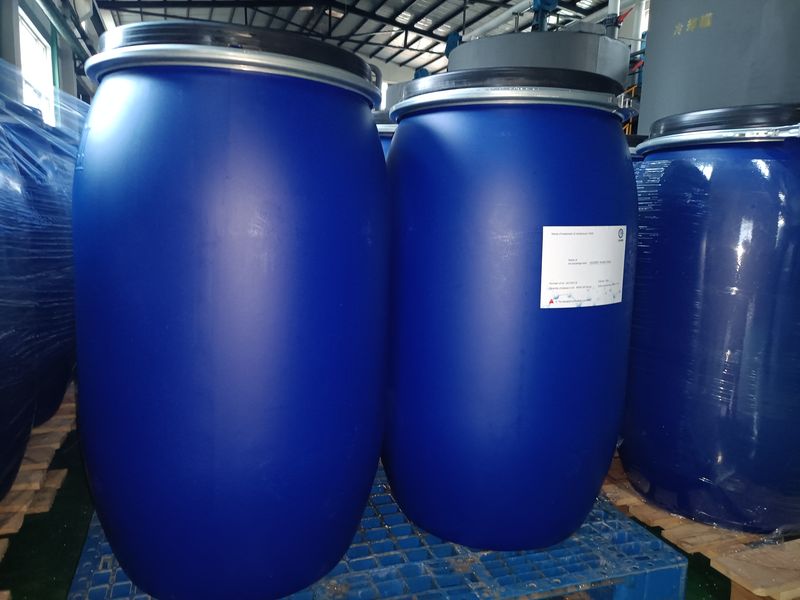
Choosing suitable packaging containers can also provide supplementary light protection. Dark-colored plastic drums or composite packaging bags with a light-shielding layer are preferred. These containers effectively block ultraviolet radiation penetration, providing an additional protective barrier for the resin and further reducing the risk of ultraviolet aging.
7. Ensure Integrity of Packaging and Sealing During Long-Term Storage
For ion exchange resins stored for long periods, the integrity and sealing of the packaging are the core defenses to ensure their performance. Complete packaging can simultaneously provide multiple protections against contamination, dehydration, and light exposure, avoiding various storage risks.
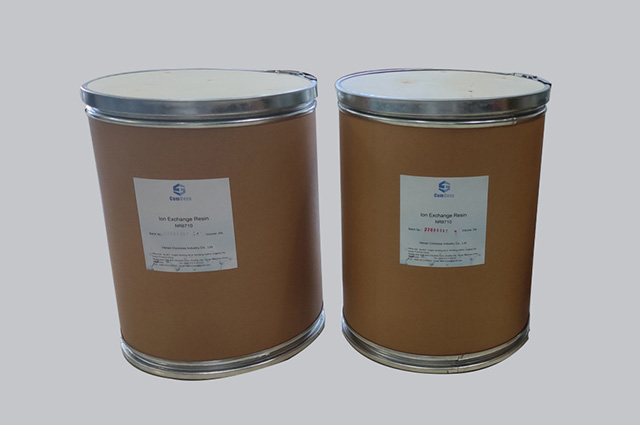
Currently, commonly used resin packaging materials include bags, drums, and tonnes, each suitable for different storage scenarios. Bags are lightweight and suitable for small-batch, short-term storage; drums offer better sealing and are suitable for medium-batch storage; tonnes, with their large capacity and high strength, are suitable for large-scale, long-term storage, providing a stable storage environment for the resin.
Before storage and use, the packaging seal must be rigorously checked. Before storage, focus on checking for damage, leaks, and seepage; only after confirming the packaging is intact can it be stored. Before use, check again; if damage is found, a comprehensive assessment of the resin's condition is necessary. Use only after confirming there are no abnormalities; if contamination or dehydration has occurred, appropriate measures must be taken.
8. Operational Precautions During Ion Exchange Resin Loading and Unloading
The bead structure of ion exchange resin is relatively fragile; avoid mechanical impact during loading and unloading to prevent particle breakage. Broken resin particles increase water flow resistance, reduce treatment efficiency, and the powder generated from breakage can also contaminate the effluent water quality.
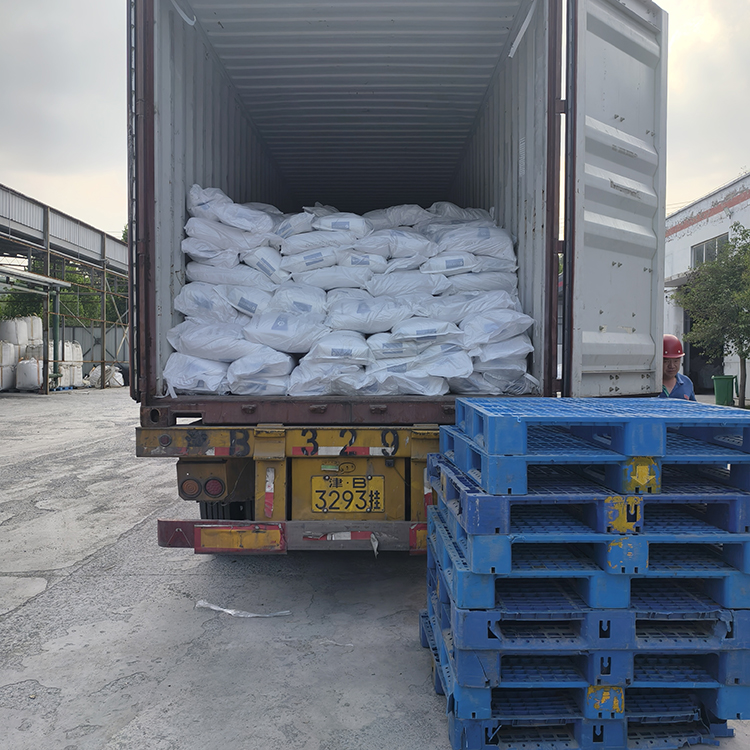
Transportation and handling must meet safety requirements. Handle with care during transport; throwing or rolling of packaging containers is strictly prohibited. When using forklifts or other machinery, control lifting and moving speeds to avoid collisions. For bagged resin, avoid forcefully tearing the packaging during handling to prevent resin leakage.
The ventilation, humidity, and stacking height of the storage environment also need strict control. Warehouses should maintain good ventilation to prevent the growth of microorganisms caused by damp environments; relative humidity is recommended to be controlled between 40% and 60%; stacking height should be determined according to the packaging's load-bearing capacity to avoid damage to the bottom packaging due to excessive pressure. Generally, the stacking height of drummed resin should not exceed 3 layers.
9. Inspect the State of Ion Exchange Resin Before Use
A comprehensive inspection of the ion exchange resin's state is essential before putting it into use. Focus on checking for any abnormal signs such as odor, discoloration, or microbial growth. An unusual odor or significant color change may indicate contamination; the presence of hyphae or slimy substances indicates the growth of microorganisms.
Simultaneously, it is necessary to confirm whether the resin's humidity and moisture content meet the usage conditions. This can be done by observing the resin's appearance. If the surface is dry and the particles are clumped together, it indicates insufficient moisture content, requiring water replenishment. If the moisture content is too high and accompanied by an odor, it is necessary to investigate whether there is a deterioration problem.
Based on the inspection results, determine whether the resin needs water replenishment, regeneration, or replacement. Slightly dehydrated resin can be restored by soaking in water; lightly contaminated resin can be regenerated; if there is severe damage, performance degradation, or heavy contamination, it is necessary to replace it with new resin in time to avoid affecting the subsequent process effect.
10.Summary
Keep the ion exchange resin moist to prevent dehydration that could lead to structural damage; control the storage temperature between 5–40°C to avoid the risks of high-temperature oxidation and low-temperature freezing; ensure the ambient temperature is not lower than 0°C, and take special insulation measures in cold regions; isolate it from various contaminants to avoid cross-contamination and external impurities; keep the packaging intact and sealed to build a strong performance protection barrier; keep it away from direct sunlight and ultraviolet rays to delay resin aging; handle loading, unloading, and transportation gently to protect the integrity of the resin bead structure.