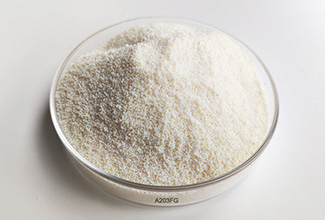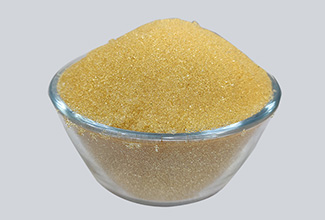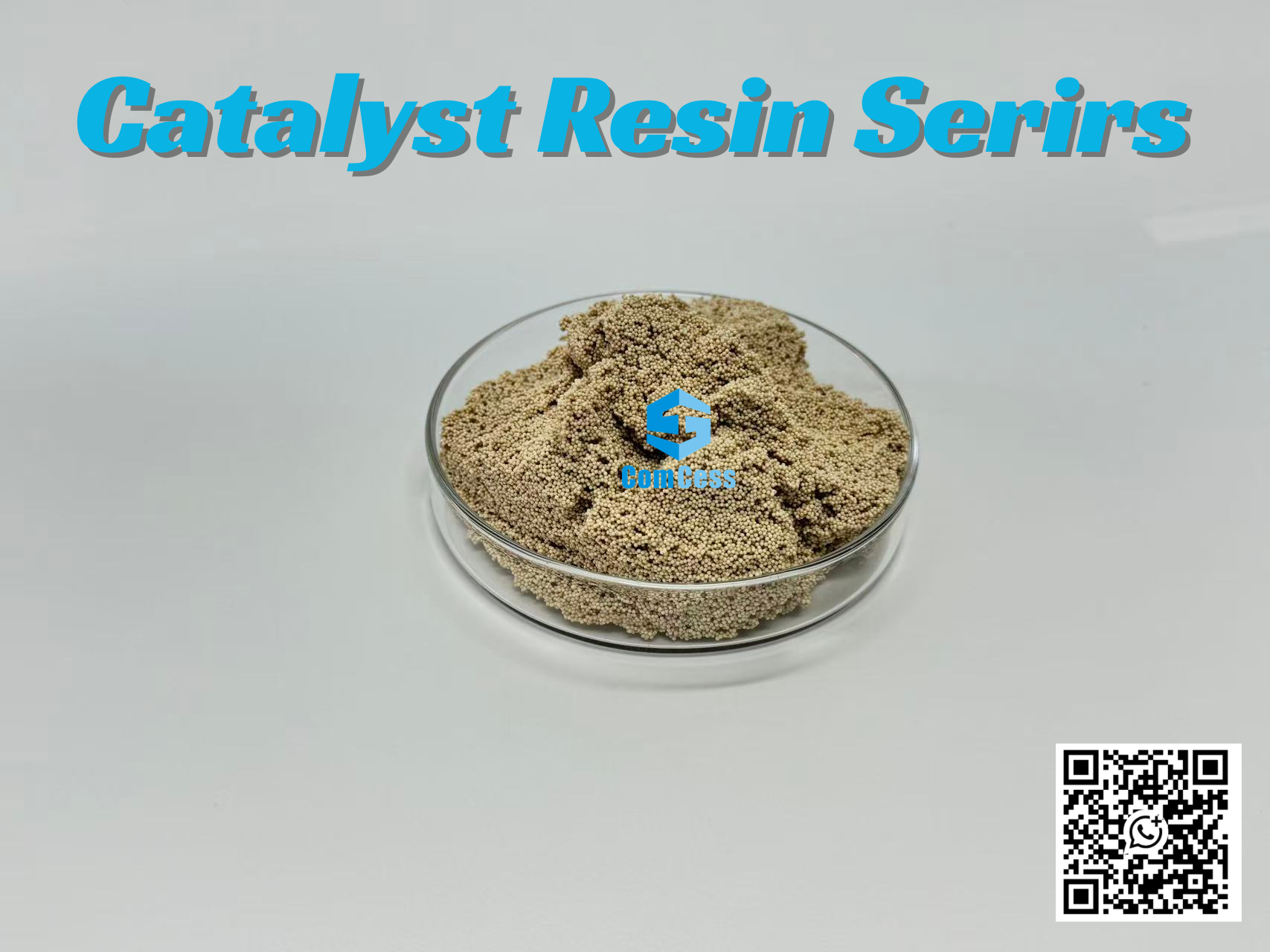
Overview of Catalytic Resins
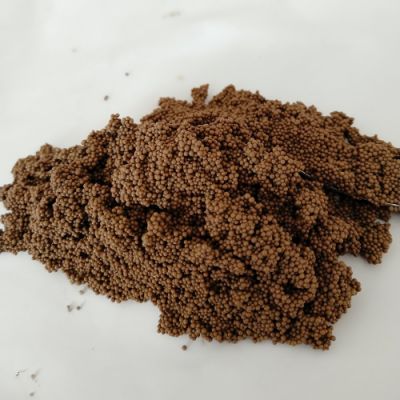
Catalytic resins belong to the category of functional ion-exchange resins and serve as mainstream solid acid-base catalytic materials in the chemical industry. Unlike traditional liquid or metal catalysts, catalytic resins leverage their unique cross-linked polymer structures and surface-active functional groups to deliver high catalytic efficiency across various organic chemical reactions. They offer key advantages such as recyclability, low corrosivity, minimal pollution, and high reaction selectivity.
Amid the industry-wide shift toward green chemistry, catalytic resins effectively address critical challenges associated with traditional catalytic processes—namely, large volumes of waste liquid, severe equipment wear, excessive side reactions, and difficulties in product purification. Widely applicable across sectors such as fine chemicals, new energy, and chemical refining, they stand as one of the key materials currently replacing traditional catalysts in industrial catalysis.
The Core Operating Principle of Catalytic Resins
Core Catalytic Mechanism
The core catalytic capability of catalytic resins stems from the acidic or basic active functional groups supported on the resin backbone. These functional groups provide stable catalytically active sites within the reaction system; through microscopic processes such as proton transfer, molecular activation, and chemical bond rearrangement, they lower the activation energy of organic reactions and accelerate reaction rates, while simultaneously precisely controlling the reaction pathway and suppressing unproductive side reactions.
Catalytic Properties of Different Types of Resins
There are significant differences in the reaction systems suited to acidic and basic catalytic resins. Acidic resins are primarily applicable to electrophilic reactions such as esterification, hydrolysis, and alkylation, whereas basic resins are better suited for nucleophilic reactions like condensation and isomerization. Furthermore, factors such as the resin's degree of cross-linking, pore structure, and functional group density directly determine its catalytic efficiency, high-temperature resistance, and reaction stability—serving as the core theoretical basis for their suitability across various industrial applications.
Application of Catalytic Resins in Esterification Reactions
Esterification is a fundamental synthetic reaction in the fine chemical industry, widely employed in the production of ester-based fragrances, industrial additives, and organic intermediates; catalytic resins serve as ideal solid catalysts for these reactions.
Traditional esterification processes often rely on liquid strong acid catalysts—such as sulfuric acid or hydrochloric acid—which corrode production equipment and generate large volumes of acidic waste requiring costly environmental treatment. Furthermore, these liquid acids frequently trigger side reactions like oxidation and carbonization, thereby compromising product purity. In contrast, catalytic resins function as solid acid catalysts that can fully replace traditional liquid acids, maintaining high and stable catalytic performance across esterification reactions involving various organic or inorganic acids and alcohols.
Moreover, catalytic resins are insoluble in the reaction mixture, allowing for easy separation and reuse via simple filtration after the reaction concludes. This significantly simplifies production workflows, reduces waste discharge, and makes them well-suited for continuous, large-scale industrial esterification operations.
Application of Catalytic Resins in Hydrolysis and Hydration Reactions
Hydrolysis and hydration reactions are critical processes in the purification of chemical raw materials and the synthesis of organic intermediates; thanks to their mild and stable catalytic properties, catalytic resins have become the core catalytic materials for these applications.
In organic hydrolysis, catalytic resins precisely catalyze the breakdown of esters, ethers, and amides under mild conditions. By avoiding the degradation or spoilage of raw materials often caused by strong acid or alkaline environments, they effectively enhance the purity and yield of the hydrolysis products. In industrial processes such as olefin hydration, catalytic resins provide stable, continuous catalysis for the addition reaction between olefins and water, thereby overcoming issues associated with traditional catalysts, such as reaction instability and significant batch-to-batch inconsistency.
Compared to traditional processes, resin-based catalytic systems generate minimal by-products and simplify downstream product purification. Capable of long-term, continuous operation, they are ideally suited to the routine production requirements of the fine chemical industry.
Application of Catalytic Resins in Alkylation and Condensation Reactions
Alkylation and condensation reactions are pivotal processes in fine organic synthesis and the production of high-end chemical intermediates. These reaction systems are complex and demand exceptional catalytic selectivity; conventional catalysts often lead to issues such as over-reaction and excessive impurity formation.
Thanks to their controllable active sites and high catalytic selectivity, catalytic resins can precisely drive the carbon-chain rearrangement characteristic of alkylation and the molecular polymerization involved in condensation. They effectively suppress unproductive side reactions—such as polysubstitution and excessive condensation—thereby significantly enhancing the purity and yield of the target products.
In industrial applications, these resins effectively lower energy consumption and reduce raw material waste. Furthermore, their reusability leads to substantial savings in catalyst replacement and overall production costs, making them highly suitable for the synthesis of pharmaceutical intermediates, fine chemical additives, and specialty chemical raw materials.
Industrial Application of Catalytic Resins in Biodiesel Production
With the rapid global expansion of the green energy industry, biodiesel has emerged as a key category of renewable energy, and catalytic resins serve as a critical material for its large-scale, eco-friendly production.
The core process for producing biodiesel is the transesterification of oils and fats; however, traditional acid-base catalytic methods suffer from significant waste-liquid pollution, the inability to recover catalysts, and the formation of excessive saponification impurities. Catalytic resins are specifically engineered for the transesterification of animal fats, vegetable oils, and waste oils, enabling stable catalysis of the reaction between oils and methanol to efficiently yield high-quality biodiesel.
This catalytic process eliminates the need for highly corrosive reagents and avoids the generation of large volumes of acidic or alkaline waste. Furthermore, the resin catalysts are reusable, significantly reducing both production and environmental compliance costs. Aligning with global industrial standards for green chemistry and low-carbon manufacturing, this approach represents the mainstream catalytic solution for biodiesel producers worldwide.
Application of Catalytic Resins in the Refining and Purification of Chemical Products
The application of catalytic resins extends beyond catalyzing upstream chemical reactions to include the downstream refining and purification of chemical raw materials and finished products, serving as a crucial auxiliary material for upgrading the quality of chemical products.
Removal Of Acidic and Basic Impurities
Trace acidic and alkaline impurities often remain in industrial organic raw materials and synthetic products, potentially compromising product stability and performance. Catalytic resins can precisely remove these trace impurities through functional group adsorption and weak catalytic neutralization, thereby optimizing the product's pH characteristics.
Decolorization Impurity Removal and Refining
Leveraging their specific pore structures and adsorption-catalysis properties, catalytic resins can capture and decompose trace pigments, organic impurities, and metal ion impurities found in chemical products. This enables decolorization, purification, and refining without compromising the product's active ingredients, thereby significantly upgrading the product's quality.
Differences in Application Scenarios for Various Types of Catalytic Resins
Catalytic resins can be classified into four major categories based on the characteristics of their functional groups: strongly acidic, weakly acidic, strongly basic, and weakly basic. These resin types differ significantly in terms of operating tolerances and catalytic properties, making their suitability for specific industrial applications a key factor in industrial selection.
Application Scenarios for Acidic Catalytic Resins
Strongly acidic catalytic resins offer high-temperature resistance and high activity, making them suitable for high-temperature, high-load industrial reactions such as esterification, hydrolysis, and alkylation; conversely, weakly acidic catalytic resins exhibit milder catalytic properties and higher selectivity, making them primarily suitable for the synthesis and purification of sensitive organic raw materials while preventing over-reaction.
Application Scenarios for Basic Catalytic Resins
Strongly basic catalytic resins exhibit excellent activity and are widely used in various condensation and isomerization reactions; weakly basic catalytic resins offer superior resistance to fouling and are suitable for complex reaction systems, frequently serving in the pretreatment of industrial wastewater and the purification of crude products.
The Core Limitation Constraining The Application Scope of Catalytic Resins
Although catalytic resins are suitable for the vast majority of fine and green chemical applications, their inherent material properties impose distinct operational limits; a clear understanding of these constraints is essential for effectively mitigating risks in industrial use.
Temperature Tolerance Limits
Catalytic resins are organic polymer materials with a fixed upper limit for heat resistance. Exposure to ultra-high temperatures causes aging of the resin backbone, deactivation of functional groups, and structural degradation; consequently, they are unsuitable for harsh, ultra-high-temperature reaction systems and are appropriate only for industrial catalytic applications involving low to moderate temperatures.
Solvent and Contamination Resistance Limits
Systems containing high concentrations of strongly polar organic solvents, high viscosity, or high levels of impurities can clog resin pores and mask active sites, leading to a decline in the resin's catalytic activity. Furthermore, heavy metals and macromolecular impurities can cause permanent fouling and deactivation of the resin, rendering it unsuitable for use in extreme reaction systems characterized by high levels of contamination and impurities.
Limitations In Mechanical Strength
Some porous catalytic resins possess limited mechanical strength and are prone to breakage and pulverization under rigorous operating conditions involving high pressures and high flow rates; consequently, they are unsuitable for extreme industrial production environments characterized by high pressure and high-intensity demands.
Conclusion
Overall, the core applications of catalytic resins span three major industrial sectors: fine organic synthesis, green energy production, and the refining of chemical products. They are primarily suited for fundamental organic reactions—such as esterification, hydrolysis, hydration, alkylation, and condensation—while also efficiently performing impurity removal, decolorization, and purification of chemical materials.
With key advantages such as environmental friendliness, high efficiency, controllability, and recyclability, catalytic resins effectively resolve many of the pain points associated with traditional catalytic processes, establishing themselves as indispensable materials in modern green chemical engineering. By precisely selecting the right resin based on specific properties and operational requirements—while accounting for application limitations—manufacturers can maximize the industrial value of these resins and meet the demands for standardized, eco-friendly production in overseas industrial operations.