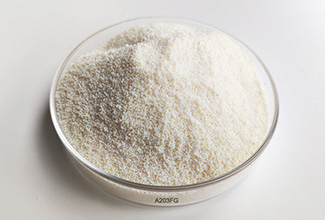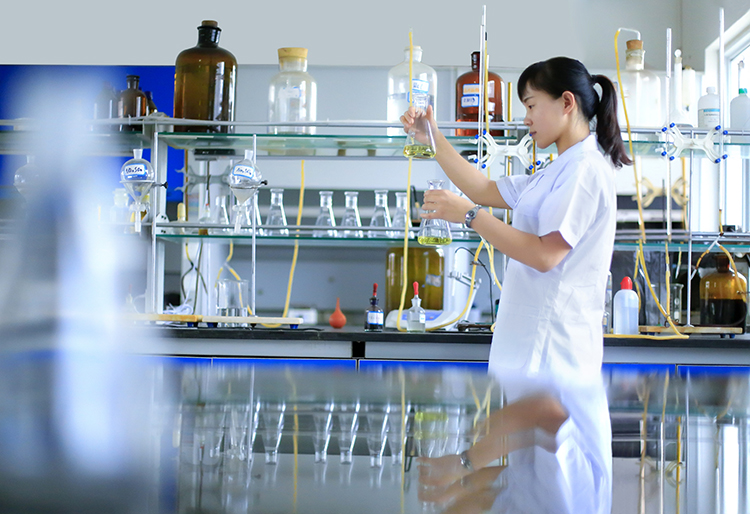
In contexts such as industrial water treatment, chemical fluid purification, and the operation and maintenance of water purification equipment, users often raise a common question: since brand-new ion exchange resins appear clean upon unboxing and can be put into service after a simple wash, is professional pretreatment actually necessary? Similarly, users often skip the pretreatment step for resins that have been in long-term storage or are being reused, assuming that a basic rinse suffices.
However, in actual industrial applications, resin pretreatment is a critical process that determines the stability of the ion exchange system's effluent, the resin's service life, and the equipment's operational efficiency. This article provides a comprehensive overview of resin pretreatment—covering its definition, necessity, operational standards, variations across resin types, and common misconceptions—to help industrial users and maintenance personnel master the core principles of pretreatment, avoid operational risks, and ensure the resin consistently performs at its best.
What is Resin Pretreatment in Industrial Settings
Many practitioners tend to confuse resin pretreatment with industrial raw water pretreatment; in reality, these are two entirely distinct processes with vastly different application scenarios and objectives.
Ion exchange resin pretreatment refers to a comprehensive set of preparatory steps—involving standardized physical and chemical adjustments—applied to brand-new or long-term stored resins before they enter industrial service. These steps are designed to remove impurities, activate the resin structure, and convert ionic forms. This process does not target the raw water itself but acts solely on the resin, serving as an essential calibration procedure prior to operational use.
In short, the core purpose of pretreatment is to transform resins—which arrive from the factory in a "dormant, impure, and non-functional" state—into a standard operational state that is clean, activated, and suited to specific working conditions, thereby laying the foundation for stable ion exchange operations.
Why Must Brand-New Ion Exchange Resins Undergo Pretreatment
Many users skip the pretreatment step because they mistakenly believe that brand-new resin is ready for immediate, effective operation right out of the factory. In reality, however, new industrial resins come with inherent flaws that must be corrected through pretreatment—which is precisely why pretreatment is indispensable.
Residual Impurities from Production and Transport
During polymerization, ion exchange resins retain chemical residues such as unreacted monomers, cross-linking agents, and processing aids. Additionally, processes such as subdivision, packaging, long-distance transport, and storage can result in fine dust and particulate impurities adhering to the resin surface, as well as the generation of small amounts of resin fragments. If not thoroughly removed, these impurities can enter the equipment, directly clogging resin pores and masking active sites.
Initial Ionic form is Not the Optimal Working State
To facilitate long-term storage and transport, industrially produced ion exchange resins are typically supplied in a stable, inert ionic form rather than the specific ionic form required for actual water treatment or purification operations. Direct use results in extremely low ion exchange efficiency and substandard effluent quality, preventing the resin from performing according to its design specifications.
Risks Associated with Untreated Resin
Introducing untreated resin containing impurities into the system not only limits exchange capacity but also causes internal clogging and increased flow resistance, leading to an abnormal rise in system pressure drop. Long-term operation can result in localized fouling and resin caking, significantly increasing the likelihood of equipment failure and raising subsequent operation and maintenance costs.
Eliminating the Core Operational Risks Associated with Resin Pretreatment
Skipping the pretreatment stage may appear to save time and labor costs, but in reality, it triggers a series of cascading issues that directly impact the operational stability and economic efficiency of the entire ion exchange system.
Significant Drop in Resin Exchange Capacity
Residual impurities and passivation structures on the resin surface directly block the majority of active ion-exchange sites, causing the effective exchange capacity to fall far below nominal specifications. When processing the same volume of water, untreated resin fails prematurely and requires frequent regeneration, drastically reducing operational efficiency.
Unstable Effluent Quality
Incomplete ion exchange in unactivated resin, combined with the leaching of residual impurities into the water flow, leads to fluctuating effluent quality. This prevents the system from meeting the stability standards required for industrial production and pure water preparation, easily resulting in substandard product quality and production process interruptions.
Significantly Reduced Resin Service Life
Long-term impurity adhesion and persistent pore clogging cause irreversible resin fouling and aging; the resin structure gradually hardens and fragments, eventually losing its ion-exchange capability. Compared to resins that have undergone standardized pretreatment, the service life of untreated resin is reduced by more than 30%, substantially increasing replacement costs.
Increased Burden on Equipment Operation and Maintenance
Resin fragments and accumulated fouling clog filter beds and piping, causing abnormal system pressure and restricted water flow. This necessitates frequent shutdowns for cleaning and maintenance, which not only lowers equipment uptime but also drives up various operational costs, including those for chemicals, labor, and equipment wear and tear.
Core Steps of the Standard Pretreatment Process for GeneralPurpose Resins
For the mainstream cation and anion exchange resins available on the market, the industry-standardized pretreatment process is suitable for the vast majority of industrial applications; it features clear steps and strong practical applicability, comprising four core stages.
Physical Impurity Removal via Backwashing
After loading the resin into the equipment, the resin bed is backwashed with clean water. The primary objectives are to remove surface dust, broken fines, and floating impurities; loosen the compacted resin bed; expel trapped air to ensure uniform water distribution; and prepare the resin for subsequent chemical activation.
Hydration and Swelling via Water Soaking
Following backwashing, the resin is soaked in clean water. This allows the dried, contracted resin structure to fully absorb water and swell, thereby restoring pore permeability and activating fundamental physical properties. This step prevents insufficient activation caused by structural contraction during subsequent acid-base treatments.
Acid-Base Cyclic Activation
Depending on the resin type, the resin bed is subjected to cyclic rinsing with acid and alkali solutions of appropriate concentrations. This process thoroughly decomposes and removes residual organic matter and chemical additives from production. Simultaneously, it converts the resin's ionic form from its inert storage state to its active industrial working state, maximizing its ion-exchange capacity.
Neutral Water Rinsing and Stabilization
After acid-base activation, the resin is continuously rinsed with clean water to thoroughly remove residual chemicals and adjust the effluent pH to neutral. This ensures the resin is in a stable, safe operating condition and prevents residual chemicals from adversely affecting subsequent water quality or resin performance.
Key Differences in the Pretreatment of Cation and Anion Resins
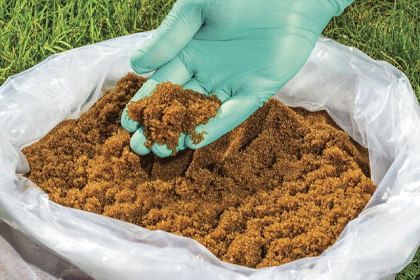
Cation and anion exchange resins differ in structure and function; therefore, standardized pretreatment procedures cannot be applied across the board. Process parameters must be adjusted specifically for each type to achieve optimal activation results.
Differences in Chemical Selection
Cation resin pretreatment typically employs acidic agents, such as hydrochloric acid, to facilitate ion exchange and impurity removal, with the primary goal of converting the resin to the hydrogen form. In contrast, anion resin pretreatment relies mainly on alkaline agents, such as sodium hydroxide, to convert the resin to the hydroxyl form and thoroughly eliminate organic impurities.
Differences in Treatment Sequence and Temperature
Cation resins generally follow an "acid treatment followed by water rinsing" sequence and can be effectively activated at ambient temperatures. Anion resins are more temperature-sensitive; soaking in warm water and using appropriate temperatures during chemical treatment can significantly enhance impurity removal and activation efficiency, thereby preventing the retention of organic impurities.
Differences in Final Form
For industrial pure water and softened water applications, cation resins must ultimately be stabilized in the hydrogen or sodium form, while anion resins must be set to the hydroxyl or chloride form. As specific end-use conditions dictate entirely different standards for final resin forms, pretreatment procedures must be adjusted accordingly.
Is Pretreatment Required for Stored Resin and Recycled/Reused Resin
In addition to virgin resin, idle resin that has been stored for a long period and reclaimed resin removed from service also require targeted pretreatment; they certainly cannot be reused after a simple rinse.
Pre-Treatment Requirements for Long-Term Stored Resin
Resin stored for extended periods may suffer from moisture loss, surface oxidation, dust accumulation, and slight pore clogging, leading to a significant decline in activity. Resins that are improperly sealed may also harbor trace microorganisms or adsorb airborne impurities; consequently, pre-treatment processes—such as soaking for rehydration, removing oxidation layers, and activation/regeneration—are essential to restore their basic performance.
Pre-Treatment Requirements for Reclaimed Resin
Resin reclaimed from industrial systems often has surfaces and pores laden with adsorbed impurities from the raw water—including heavy metals, organic matter, and colloidal contaminants—leaving its active sites largely inactive. Standard regeneration cleaning cannot fully eliminate such stubborn contamination; therefore, intensive pre-treatment involving impurity removal, activation, and decontamination is required to restore the resin to a reusable, functional state.
How Standardized Pretreatment Optimizes Resin Operational Performance
Standardized pretreatment is far more than a simple impurity removal process; it is a key measure for optimizing long-term resin performance and reducing overall costs, capable of enhancing the operational quality of ion exchange systems across multiple dimensions.
Maximizing Ion Exchange Activity
A comprehensive pretreatment process thoroughly eliminates issues such as resin passivation and fouling, fully exposing active sites. This enables the resin to achieve its nominal maximum exchange capacity, fully realizing its design performance and enhancing the efficiency of water treatment and purification processes.
Ensuring Consistent Effluent Quality
Pretreated resin exhibits stable ionic forms and is free of impurities, preventing issues like impurity leaching or incomplete ion exchange during operation. This ensures consistent effluent quality over the long term, mitigating production risks associated with water quality fluctuations.
Reducing Long-Term O&M and Consumable Costs
Fully activated resins offer extended regeneration cycles, effectively reducing the consumption of acidic and alkaline regeneration chemicals and lowering the frequency of equipment start-ups, cleaning, and maintenance. Additionally, this slows the rate of resin aging and extends the service life before replacement, significantly reducing overall equipment operation and maintenance costs.
Common Misconceptions and Avoidance Strategies Regarding High-Frequency Resin Pretreatment
Many users achieve poor pretreatment results not because of missing steps in the process, but due to non-standard operational practices. The following common pitfalls in the industry are primary factors compromising resin performance and must be strictly avoided.
Insufficient Soaking Time Leading to Inadequate Resin Activation
To shorten the project schedule, some users reduce the duration of soaking the resin in clean water. This results in incomplete water absorption and swelling, leaving the resin pores not fully opened. Consequently, subsequent acid-base treatments cannot penetrate the resin matrix, leading to persistent issues such as residual impurities and insufficient activity. It is essential to strictly adhere to the standards specific to the resin type and ensure a sufficient soaking period.
Improper Concentration Ratios of Acid and Alkali Reagents
Excessively high reagent concentrations can corrode the resin structure, causing irreversible damage; conversely, concentrations that are too low fail to remove impurities or achieve ion conversion, rendering the pretreatment ineffective. Acid and alkali reagents must be prepared at concentrations and ratios that strictly comply with industry standards; arbitrary mixing must be avoided.
Incomplete Rinsing; Residual Reagents Affecting Operational Conditions
Failure to rinse the resin to a neutral pH after acid-base activation leaves residual reagents in the resin bed. These residues can alter the effluent pH, corrode downstream equipment, and disrupt the resin's ionic balance, leading to operational malfunctions. The final stage of pretreatment must ensure that the effluent meets pH specifications and is free of residual reagents.
Indiscriminate Use of Pretreatment Procedures for Anion and Cation Resins
Applying the same pretreatment procedure to both cation and anion resins results in ineffective activation and incomplete impurity removal. It is mandatory to strictly distinguish between the reagents, sequences, and temperature requirements for the two types of resin and to conduct pretreatment operations tailored to each specific type.
Conclusion
In summary, resin pretreatment is by no means an optional or secondary step; rather, it is a critical preliminary process that ensures the efficient, stable, and long-term performance of ion exchange resins. Whether the resin is fresh from the factory, has been in long-term storage, or is being reused after industrial recovery, standardized pretreatment is mandatory before it is put into service.
Skipping pretreatment directly leads to a host of issues, including insufficient resin activity, unstable water quality, reduced service life, and escalating equipment operation and maintenance costs. Only by strictly adhering to standardized pretreatment procedures tailored to the specific characteristics of cation and anion resins—while avoiding common operational pitfalls—can one maximize resin performance, minimize overall operating costs, and ensure reliable results in applications such as industrial water treatment and fluid purification.
.png)