When using water at home, you may notice that the faucet is prone to water scale, the clothes washed by the washing machine are stiff, and even after washing your face, your skin always feels tight - all of these are caused by hard water. Hard water contains a large amount of hardness minerals such as calcium and magnesium. Long-term use not only clogs pipes and damages household appliances but also affects the daily life experience.
To solve the problem of hard water, the most commonly used method is a water softener, and the core of the water softener's softening effect lies in the resin component inside. It can be said that the resin is the heart of the water softener, directly determining the effect and stability of the softened water. Today, let's take a detailed look at the resin in water softeners and answer the most common question: What is the resin in a water softener? At the same time, we will share the key points of the solution to hard water problems.
What Is The Resin In a Water Softener?
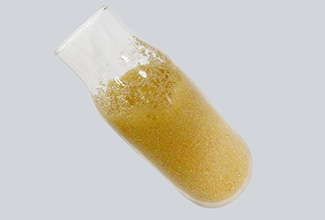
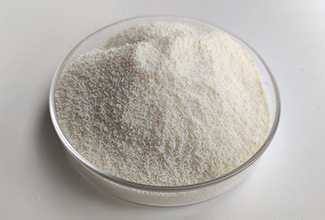
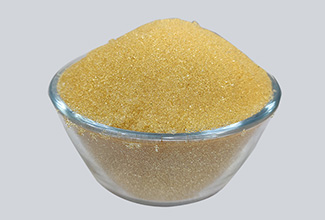
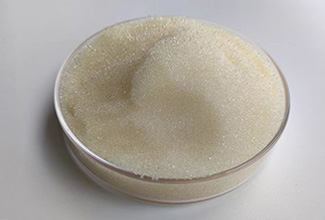
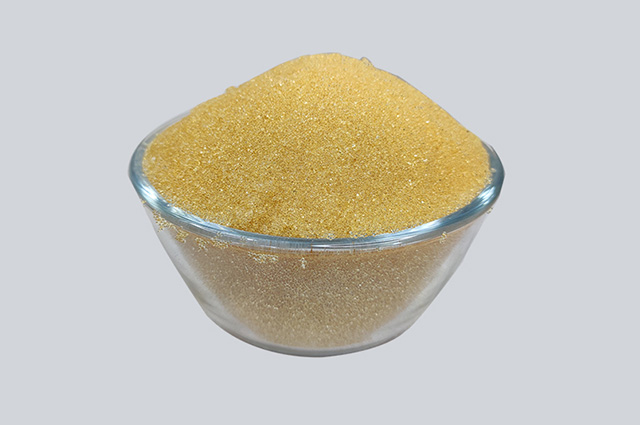
From the appearance, the resin in a water softener is a series of small polyethylene particles, with a diameter of approximately 0.3 to 1.2 millimeters, an amber color, and a texture like fine sand, uniform and with a certain degree of toughness.
Its core function is to remove hardness minerals such as calcium and magnesium from hard water, turning it into soft water that can be directly used. Whether for household or small commercial water softeners, resin is an indispensable core component. Without it, the water softener cannot complete the softening process.
Common Types Of Resin In Water Softeners
There are mainly two types of resin in water softeners on the market, and you can choose based on the usage scenario and needs. There is no absolute superiority or inferiority between them.
Gel resin is the most common type, mostly used in household water softening systems. It is relatively affordable, has stable and reliable performance, and can meet the daily soft water needs of ordinary families. It has a high cost-performance ratio and is currently the first choice for most families.
Macroporous resin is more suitable for scenarios with special water quality, such as areas with high chlorine content in the water. Its structure is more special, has stronger anti-pollution ability, and a longer service life. However, its price is relatively higher and is generally used in families or small commercial scenarios with higher water quality requirements.
How Water Softener Resin Works
The resin found inside the water softeners we use daily is predominantly cation exchange resin—a specific type of resin designed for water softening that serves as the core medium for the ion exchange process.
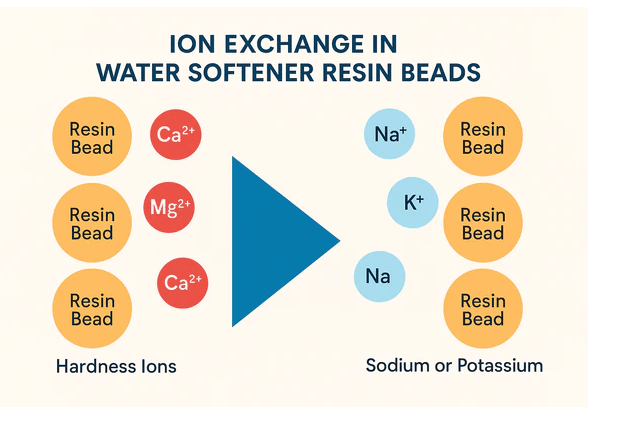
The process of ion exchange is actually quite simple. Put simply, it involves the resin beads exchanging ions with the minerals present in hard water, thereby achieving the objective of removing water hardness.
The resin beads themselves carry a negative electrical charge; when manufactured, they are pre-loaded with sodium ions or potassium ions (both of which are harmless to the human body and do not contribute to limescale formation). As hard water flows through the resin bed, the positively charged calcium and magnesium ions in the water are drawn by electrostatic attraction to displace the sodium or potassium ions on the resin, becoming firmly adsorbed onto the resin beads.
Once this process is complete, the water flowing out no longer contains calcium or magnesium ions—what we refer to as "soft water." Meanwhile, the displaced sodium or potassium ions flow out along with the water stream, without negatively impacting the water quality.
Specific Types of Cation Exchange Resin
Strong Acid Cation (SAC) Resin
This type of resin is the most commonly used variety in home water softeners, dominating the residential market. It possesses a high ion exchange capacity, enabling it to rapidly and efficiently remove calcium and magnesium ions from hard water, thereby meeting the daily water demands of a household.
Furthermore, it boasts a wide range of applications, functioning effectively across various pH levels. Its regeneration process is also relatively straightforward, requiring only a rinse with sodium chloride (common water softener salt) or potassium chloride; this makes it easy to operate and cost-effective.
Weak Acid Cation (WAC) Resin
Compared to SAC resin, WAC resin has a relatively narrower scope of application. It is typically employed in scenarios where the water exhibits high alkalinity or where the specific removal of certain metal ions is required.
While its ion exchange capacity can sometimes exceed that of SAC resin, it does not offer a distinct advantage in standard hard water softening applications. Consequently, it is rarely used as a standalone medium in home water softeners; instead, in cases involving specific water quality challenges, it is most often used in conjunction with SAC resin.
The Core Principle Behind Resin and Ion Exchange
Fundamentally, the core mechanism driving ion exchange is the force of electrostatic attraction. The fundamental reason resin beads are able to adsorb calcium and magnesium ions is that the beads themselves carry a negative charge, while calcium and magnesium ions carry a positive charge; the mutual attraction between these opposing charges causes the calcium and magnesium ions to adhere firmly to the resin's surface.
The sodium and potassium ions pre-loaded onto the resin also carry a positive charge, though their attractive force is weaker than that of calcium and magnesium ions. Consequently, when hard water flows through the system, the calcium and magnesium ions displace the sodium and potassium ions, thereby completing the ion exchange process—this constitutes the core mechanism by which a water softener softens water.
The Resin Regeneration Process
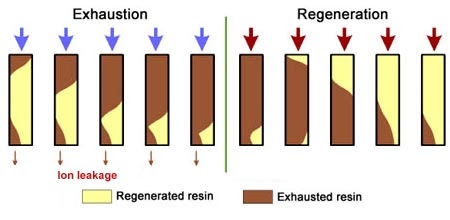
The adsorption capacity of the resin is finite; once it becomes saturated with adsorbed calcium and magnesium ions, it can no longer effectively soften water. At this juncture, regeneration is required to restore the resin's adsorption capabilities.
The regeneration process is straightforward: it involves flushing the resin bed with a brine solution. The high concentration of sodium ions in the brine displaces the calcium and magnesium ions previously adsorbed onto the resin, flushing these hardness-causing minerals out of the water softener along with the brine.
Simultaneously, the resin re-adsorbs sodium ions, returning to its original state and resuming its water-softening function. The frequency with which regeneration is required depends primarily on the resin's ion exchange capacity and the hardness of the household's water supply—the harder the water and the higher the water consumption, the more frequently regeneration will be needed.
The Core Advantages of Water Softener Resin
The most immediate benefit of using a water softener equipped with resin is the prevention of limescale accumulation. Whether in plumbing pipes and faucets, or in household appliances such as water heaters, washing machines, and dishwashers, the risk of clogging or corrosion caused by limescale is eliminated, thereby reducing maintenance costs.
When appliances are operated using soft water over the long term, their internal piping remains free of scale buildup; consequently, their operational efficiency does not diminish, and their service life is significantly extended. For instance, a water heater using soft water will not suffer from reduced heating efficiency caused by scale buildup on its heating element or tank lining, and the likelihood of mechanical failure is also reduced.
In terms of daily living, soft water offers numerous conveniences. Bathing in soft water leaves the skin feeling supple rather than tight and dry, and leaves hair feeling smoother and more manageable. When washing clothes with soft water, the cleaning efficacy of soaps and detergents is enhanced; garments emerge from the wash feeling softer, and the overall consumption of laundry detergents can be reduced. Furthermore, softened water helps reduce cleaning chores; for instance, limescale buildup on faucets and glass surfaces is significantly minimized, eliminating the need for frequent scrubbing and reducing the reliance on cleaning products—making it a more eco-friendly choice.
How to Choose the Right Water Softener Resin for Your Needs?
When selecting a resin, there is no need to blindly pursue high-end options; the key is to make a choice based on your specific household water quality and usage requirements.
Water hardness is a crucial factor to consider. The harder your household water is, the greater the ion exchange capacity required of the resin you choose; SAC resins are capable of meeting the demands of most high-hardness water conditions. Conversely, if your water is relatively soft, a standard gel-type resin will suffice.
Household water consumption also influences resin selection. Households with a large number of occupants and high water usage should opt for resins with a longer service life and superior resistance to contamination, thereby avoiding the need for frequent regeneration or replacement.
The presence of chlorine in the water is another factor that should not be overlooked. If the tap water in your area has a high chlorine content, it is advisable to select a macroporous resin, as its enhanced resistance to chlorine contamination helps extend the overall lifespan of the resin.
Striking a balance between cost and longevity is also essential. Gel-type resins are affordable and offer excellent value for money, making them suitable for average households. Macroporous resins, while more expensive, boast a longer service life and are ideal for scenarios involving high water quality standards or long-term, heavy-duty use. For standard residential applications, an SAC-type gel resin is generally sufficient to meet all requirements.
Conclusion
Ultimately, the reason water softeners effectively resolve hard water issues lies in the ion exchange function performed by the resin. Acting as the "heart" of the water softener, the resin silently captures calcium and magnesium ions from the water, transforming hard water into gentle, soft water—thereby safeguarding your home's plumbing, appliances, and your family's daily life.
Understanding the function, types, and working principles of water softener resins not only helps us utilize our water softeners more effectively but also empowers us to select the most appropriate water softening solution tailored to our specific needs, allowing us to truly put an end to the troubles caused by hard water.