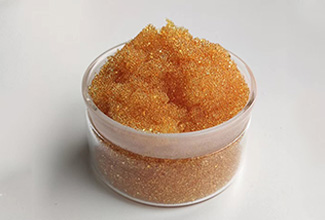
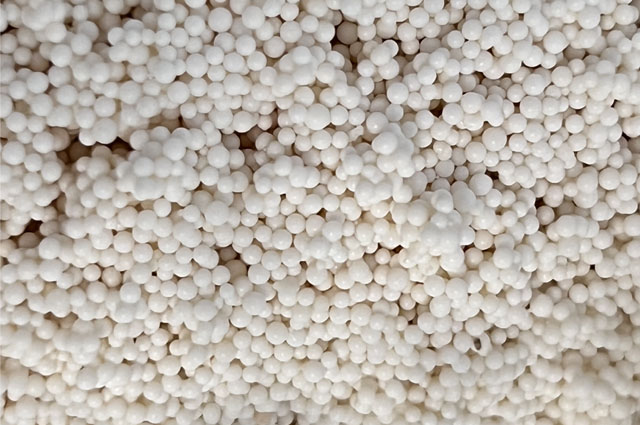
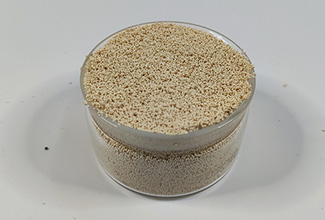
In a wide range of industrial settings—including industrial water treatment, ultrapure water production, material separation, and water softening—ion exchange resins serve as one of the core consumable materials. The service life of these resins directly determines equipment operational stability, daily maintenance costs, and the rate at which produced water meets quality standards. For overseas industrial enterprises, water treatment contractors, and manufacturing firms, common operational pain points include the ambiguity surrounding resin service life, premature failure, and the need for frequent replacement.
In practical applications, many users encounter a variety of issues: the same type of resin exhibiting vastly different service durations under varying operating conditions; rapid aging occurring despite strict adherence to operational protocols; and the inability to accurately determine when a resin requires replacement. To address these widespread industry uncertainties, this article comprehensively analyzes the standard service life of various ion exchange resin types, the key factors influencing their longevity, methods for identifying resin failure, and strategies for long-term maintenance. By doing so, it aims to provide enterprises with professional, actionable guidance for their equipment operation and maintenance practices.
Typical Service Lifes of Different Types of Ion Exchange Resins
Due to differences in structural design, functional properties, and application scenarios, distinct categories of ion exchange resins exhibit clearly differentiated typical service lifetimes. This serves as the fundamental benchmark for assessing a resin's operational cycle and constitutes the central focus of this article. The service lifetimes cited below represent industry-standard norms applicable under conditions of standard operation, proper maintenance, and the absence of severe contamination.
Gel-Type Strong Acid Cation Exchange Resin
Gel-type strong acid cation exchange resins represent the mainstream category in water treatment applications—specifically for softening, the removal of calcium and magnesium ions, and the pretreatment of pure water—and boast the widest scope of application. Under typical operating conditions involving standard municipal tap water or lightly contaminated industrial raw water, and when subjected to standardized regeneration and maintenance procedures, the typical service life of this resin class ranges from 3 to 5 years. Characterized by a stable degree of cross-linking and moderate physical toughness, these resins are capable of withstanding routine backwashing and regeneration cycles while consistently maintaining their ion exchange capacity.
Gel-Type Strong Base Anion Exchange Resin
Gel-type strong-base anion exchange resins are primarily used to remove anionic impurities from water and are well-suited for pure and ultrapure water production processes. Compared to cation exchange resins, they exhibit slightly lower chemical stability and are more susceptible to the influence of organic substances and oxidizing agents. Under standard operating conditions, their typical service life ranges from 2 to 4 years, making them a category with a relatively shorter lifespan among conventional resins.
Macroporous Ion Exchange Resin
Macroporous ion exchange resins feature a loose, macroporous structure. Compared to gel-type resins, they exhibit superior resistance to fouling, greater mechanical strength, and enhanced oxidation resistance, making them ideally suited for industrial environments characterized by complex water quality, high impurity levels, and heavy operational loads. Under standard operating and maintenance conditions, their typical service life ranges from 5 to 8 years—far exceeding that of conventional gel resins—establishing them as the preferred choice for demanding, high-load industrial applications.
Specialty Functional Ion Exchange Resins
For functional resins custom-engineered for applications such as heavy metal removal, material purification, fine separation, and specialized wastewater treatment, there is no single, fixed standard for service life. Depending on factors such as impurity concentrations under operating conditions, operational loads, and regeneration frequencies, the typical service life ranges from 3 to 6 years, making them suitable for a wide variety of specialized and precision industrial production environments.
The Influence of Resin Structure on the Service Life of Ion Exchange Resins
The intrinsic structure of a resin constitutes the core inherent factor determining its fundamental service life; the impact of all external operating conditions is predicated upon the structural characteristics of the resin itself, and this also serves as the root cause of the differences in durability observed among various resins.
Differences Between Gel Structures and Macroporous Structures
Gel-type resins possess a dense structure with minute pore sizes, permitting the passage of only small water molecules and ions; while they perform stably under conditions of pristine water quality, they are highly susceptible to pore clogging and internal structural fouling—leading to accelerated aging and failure—when exposed to organic matter, colloids, or heavy metal impurities. In contrast, macroporous resins feature permanent, large-diameter channels and higher porosity, which prevents the easy accumulation of impurities. Furthermore, they are capable of withstanding higher-intensity water flow impacts and chemical regeneration processes, thereby exhibiting superior structural stability and, naturally, a longer service life.
The Role of Crosslinking Density in Mechanical Toughness
The degree of cross-linking in a resin directly determines its physical strength and resistance to expansion and contraction. Resins with a high degree of cross-linking possess a more compact structure; during the cyclical processes of repeated water absorption, dehydration, regeneration, and rinsing, they are less prone to issues such as swelling, shrinking, cracking, or fragmentation, resulting in extremely low mechanical attrition. Conversely, resins with a low degree of cross-linking exhibit poorer toughness; during prolonged cyclical operation, they are susceptible to particle breakage and resin loss, thereby significantly shortening their overall service life.
Structural Anti-Aging and Anti-Contamination Properties
The skeletal structure of high-quality resin exhibits stable chemical inertness; it does not readily react with common substances present in water and can maintain the activity of its exchange functional groups over extended periods. In contrast, low-quality resin lacks structural stability; during long-term operation, it is prone to the detachment of functional groups and structural degradation. Consequently, even in the absence of obvious contamination, it will naturally age and fail, thereby shortening its service life.
Key Factors Shortening the Service Life of Ion Exchange Resins
The vast majority of resins fail to achieve their standard service life; the primary reason for this is not a product quality issue, but rather premature degradation resulting from adverse external operating conditions and improper maintenance. The following are the most common and impactful factors contributing to reduced service life in industrial settings.
Resin Poisoning Caused by Various Contaminants
Resin contamination is the primary cause of premature resin failure—also known as "resin poisoning"—and constitutes a form of damage that is either irreversible or extremely difficult to remediate. Common types of contamination include organic matter, heavy metals (such as iron and manganese), and microorganisms. Colloidal organic matter and humic acids present in the water adsorb onto the internal pores of the resin, thereby clogging the ion exchange channels; iron and manganese ions found in the raw water adhere to the resin surface, permanently masking the functional exchange groups; and the proliferation of bacteria and microorganisms leads to resin caking and mold growth, resulting in a complete loss of ion exchange capacity.
Structural Degradation Induced by Oxidizing Substances
If the raw water contains oxidizing substances—such as residual chlorine, ozone, or hydrogen peroxide—these agents will continuously oxidize the resin's polymer backbone and active functional groups, thereby disrupting its internal structural stability. Prolonged exposure to an oxidizing environment leads to issues such as resin swelling, reduced mechanical strength, and the detachment of functional groups; consequently, the exchange capacity undergoes continuous degradation, ultimately resulting in complete failure and a drastic reduction in service life.
Mechanical Damage Resulting From Improper Operation
The operational state of the resin within the equipment directly impacts its physical degradation. Frequent, high-intensity backwashing; excessive flow velocities; severe pressure fluctuations; and frequent start-up and shut-down cycles all cause resin particles to rub against and collide with one another, resulting in damage, fragmentation, and pulverization. Damaged resin not only fails to function properly, but the resulting fine particles and dust can also clog the equipment's piping, leading to abnormal operation of the entire system.
Accelerated Aging Under Extreme Acidic, Alkaline, And Temperature Conditions
Each type of resin is designed for a specific range of pH values and water temperatures. Prolonged exposure to extreme water quality environments—characterized by excessive acidity or alkalinity—or operating conditions involving excessively high temperatures or drastic temperature fluctuations accelerates the aging of the resin's skeletal structure and leads to a rapid loss of functional group activity. This rate of degradation is significantly higher than under standard operating conditions, thereby directly shortening the overall service life of the resin.
Does Frequent Regeneration Shorten The Service Life of Ion Exchange Resins
Regeneration constitutes the core stage in the cyclical operation of ion exchange resins and is a subject of intense interest among users; however, the majority of users harbor the misconception that "the more frequently the resin is regenerated, the shorter its service life."
Standardized Regeneration does Not Affect The Service Life of The Resin
Provided that operations are conducted in accordance with established protocols—including the use of appropriate reagent concentrations and standardized regeneration procedures—regeneration serves merely as a process to displace the impurity ions adsorbed by the resin and restore the activity of its exchange functional groups; it does not compromise the structural integrity of the resin matrix. When performed at regular intervals and in a standardized manner, regeneration constitutes an essential step for the resin's normal cyclical operation and does not result in any reduction of its service life.
Improper Recycling Results in Irreversible Loss
The primary cause of shortened resin lifespan is not the *frequency* of regeneration, but rather *improper regeneration procedures*. The use of excessively high concentrations of acid or alkali regenerants, prolonged regeneration cycles, excessive repetitive regeneration, or inadequate post-regeneration rinsing can all corrode the resin structure and damage its active functional groups. This results in irreversible chemical damage which, through long-term accumulation, significantly reduces the operational lifespan of the resin.
Typical Diagnostic Characteristics of Expired or Ineffective Ion Exchange Resins
During routine operations and maintenance, specialized testing equipment is not required; instead, the condition of the resin—specifically whether it has aged, failed, or reached the end of its service life—can be quickly assessed based on the equipment's operating status and the quality of the effluent.
Effluent Quality Consistently Fails to Meet Standards
When resin undergoes aging and failure, its ion-exchange capacity declines significantly; the most direct manifestation of this is a deterioration in the quality of the treated water. The core characteristic of resin failure is the persistent exceedance of permissible limits for water hardness, conductivity, and impurity content—a condition that persists even after increasing the frequency or extending the duration of regeneration cycles, as the effluent quality standards can no longer be restored.
Regeneration Efficiency Has Decreased Significantly
Normal resin quickly recovers its operational performance following regeneration, maintaining stable adsorption and exchange efficiencies. In contrast, aged and degraded resin exhibits slower regeneration rates, significantly increased reagent consumption, and a drastically shortened effective service life after regeneration, leading to continuously rising operation and maintenance costs.
Abnormal Physical State of Resin
Resin that has been in prolonged use and has lost its efficacy exhibits distinct signs of compaction, clumping, discoloration (blackening), and stickiness. Concurrently, the resin granules undergo severe pulverization and fragmentation; consequently, resin loss during equipment operation increases significantly, water flow resistance rises, and the overall system operational load increases substantially.
Practical Methods for Extending the Service Life of Ion Exchange Resins
The service life of resin is not a fixed value; scientific operation and maintenance practices can effectively mitigate the risk of premature failure, maximize its operational lifespan, and reduce the enterprise's costs for consumable replacements.
Optimize Raw Water Pretreatment to Prevent Contamination At The Source
Based on the specific impurity characteristics of the raw water, appropriate pretreatment equipment is configured to filter out harmful substances—such as colloids, suspended solids, heavy metals, organic matter, and residual chlorine. By preventing these impurities from directly entering the resin bed, this approach minimizes resin contamination and oxidative damage at the source, thereby constituting the most fundamental and effective method for protecting the resin.
Strictly Execute Standardized Regeneration Operations
Based on the specific type of resin, the appropriate regenerant, regenerant concentration, regeneration flow rate, and regeneration duration are carefully matched. This practice effectively prevents improper operations—such as corrosion caused by excessively high regenerant concentrations or over-regeneration—from occurring. Following regeneration, the resin must be thoroughly rinsed; residual regenerant will continuously corrode the resin structure and accelerate its aging. Adhering to standardized operating procedures can effectively minimize the degradation and loss associated with the regeneration process.
Perform Regular Cleaning and Maintenance to Remove Minor Contamination
To address minor organic and iron contamination of the resin during operation, professional cleaning and regeneration treatments are conducted periodically to promptly restore resin activity. This prevents minor contamination from accumulating into severe, irreversible poisoning, thereby effectively extending the overall service life of the resin.
Stabilize Equipment Operating Parameters
Strict control over the equipment's water flow velocity, system pressure, water pH, and temperature is essential to prevent drastic fluctuations in operating conditions. A stable operating environment minimizes the mechanical wear and chemical aging of the resin, maintains the stability of its structure, and ensures its long-term, efficient performance.
How to Determine Whether Old Ion Exchange Resin Needs Replacement
Not all aged resins require immediate replacement; resins exhibiting mild aging can have their performance restored through cleaning and regeneration. By applying the following criteria, enterprises can make scientifically informed assessments, thereby avoiding unnecessary waste of consumables and mitigating operational and maintenance risks.
Assess Residual Exchange Capacity
Ion exchange capacity is a core performance metric for resin. If the resin's residual exchange capacity falls below 60% of its rated standard—and cannot be restored even after professional regeneration and cleaning—it indicates that the resin's core functionality has severely deteriorated. At this stage, it offers no further operational value, and direct replacement is recommended.
Assess Structural Integrity
If the rate of resin pulverization or breakage exceeds 30%—resulting in significant resin loss from the equipment and persistently high water flow resistance—the overall operational efficiency of the system will be compromised, even if the exchange capacity has not yet completely failed. Such conditions also increase the risk of pipeline blockages and water quality fluctuations, necessitating immediate replacement.
Assess Contamination Reversibility
While mild contamination can often be remedied through routine regeneration treatments to restore activity, severe organic fouling, stubborn heavy metal contamination, or long-term oxidative degradation constitute irreversible damage. In such cases, the resin's performance cannot be restored through standard maintenance procedures; continued use would merely increase operational costs and reduce production efficiency, thereby requiring immediate replacement.
Weigh Maintenance vs. Replacement Costs
If aging resin requires excessively frequent regeneration—leading to continuously escalating costs for chemical reagents and labor—and the stability of the treated water output cannot be guaranteed, replacement is advisable. Even if the resin has not yet reached a state of complete failure, replacing it with new resin is recommended from a cost-effectiveness perspective to ensure the stable and efficient operation of the entire system.
Conclusion
Overall, there are distinct differences in the typical service life of various types of ion exchange resins: conventional gel-type cation resins typically last 3–5 years, gel-type anion resins 2–4 years, macroporous resins 5–8 years, and specialty resins—depending on specific operating conditions—generally remain stable within a range of 3–6 years. The intrinsic structural characteristics of the resin constitute the fundamental basis determining its service life, whereas water quality contamination, oxidative degradation, mechanical damage, and improper operation and maintenance are the primary extrinsic factors leading to premature failure.
Furthermore, frequent, standardized regeneration procedures do not cause damage to the resin; rather, improper operational practices are the critical factor contributing to the depletion of its service life. Enterprises can assess the onset of resin failure by monitoring effluent water quality, regeneration efficiency, and the physical condition of the resin; by combining effective pretreatment safeguards, standardized operation and maintenance protocols, and periodic revitalization treatments, they can maximize the resin's service life. By adopting scientifically sound criteria for determining when to replace resins, companies can effectively mitigate operational risks while simultaneously controlling industrial maintenance costs.