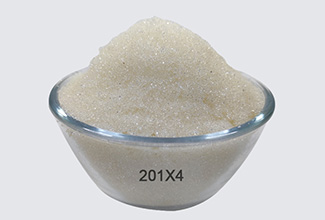
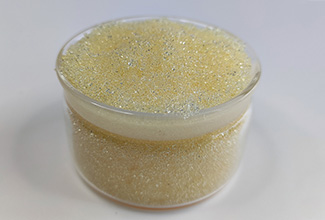
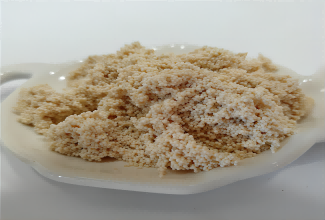
As the global demand for clean energy surges, nuclear energy remains a reliable, low-carbon solution—driving increased demand for uranium, the core fuel for nuclear power plants. Extracting uranium efficiently and cost-effectively is critical for mining operations, and ion exchange resin stands as the cornerstone of modern uranium extraction processes. But with multiple resin types available, choosing the right one for your uranium mining operation can be challenging. This blog post breaks down the key information you need to select the best ion exchange resin, focusing on professional insights, logical analysis, and solutions to common pain points for overseas uranium mining enterprises.
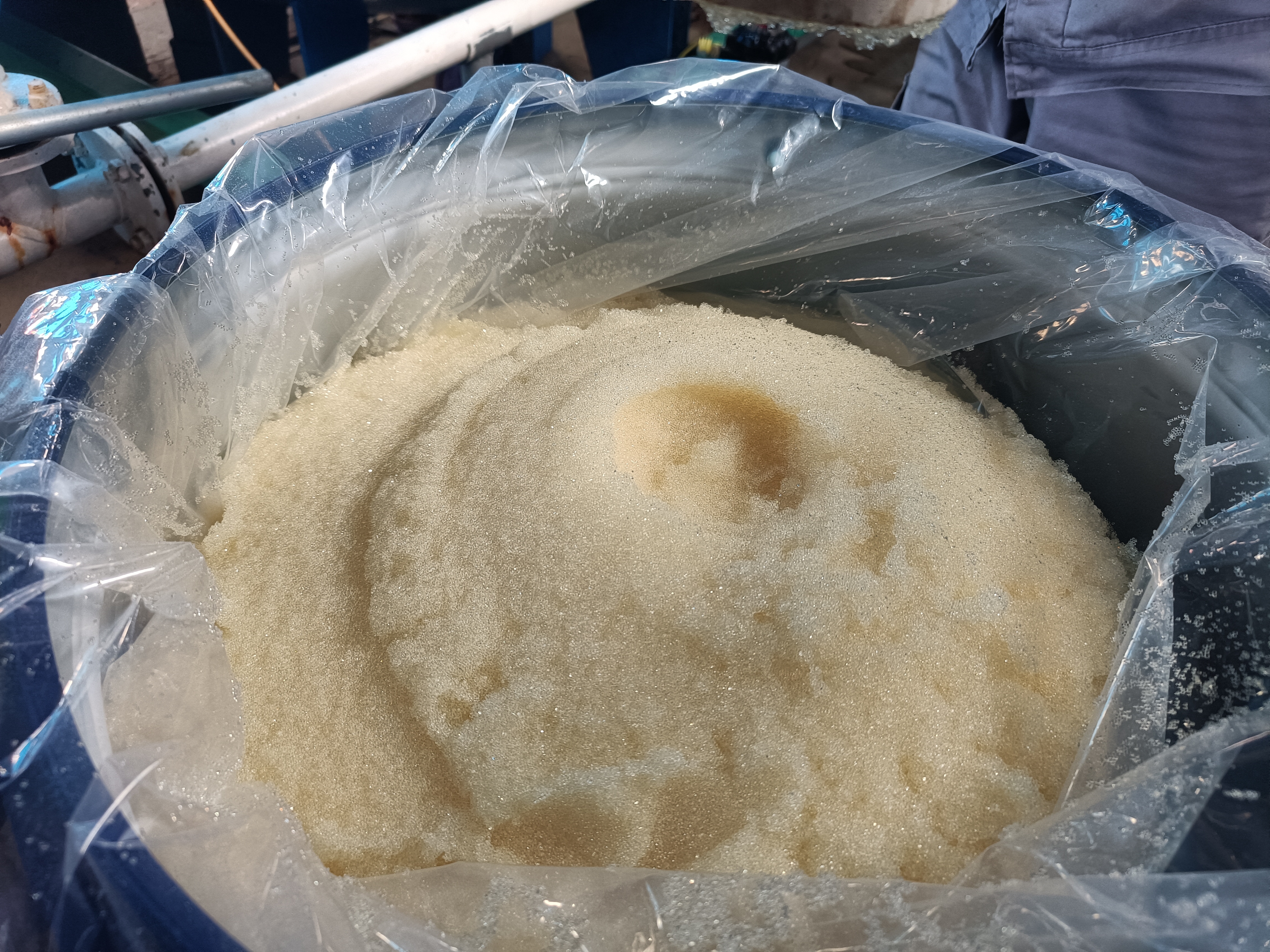
What Is Ion Exchange Resin and Its Role in Uranium Mining?
Before diving into resin selection, it’s essential to understand the basics: ion exchange resin is a porous, insoluble polymer material with functional groups that can selectively adsorb and exchange ions in a solution. In uranium mining, its primary role is to separate and enrich uranium ions from leachate—the liquid obtained after leaching uranium from ore. Unlike traditional extraction methods (such as chemical precipitation), ion exchange resin offers high selectivity, recyclability, and environmental friendliness, making it indispensable for modern uranium mining operations. It works by binding uranium ions (typically in the form of uranyl complexes) to its functional groups, then releasing them during regeneration for further purification. (Keywords: ion exchange resin uranium mining role, uranium leachate ion exchange)
Key Challenges in Uranium Extraction That Ion Exchange Resins Solve
Uranium mining faces unique challenges that make the choice of ion exchange resin critical. First, low-grade uranium ore accounts for an increasing proportion of global reserves, requiring efficient extraction technologies to maintain profitability. Second, leachate composition is complex, containing interfering ions (such as vanadate, molybdate, and chloride) that can reduce uranium adsorption efficiency. Third, strict environmental regulations worldwide demand that uranium extraction processes minimize waste and meet discharge standards. Ion exchange resins address these challenges by offering high selectivity for uranium ions, recyclability (reducing waste), and adaptability to different leachate conditions—ensuring efficient, compliant, and cost-effective uranium recovery. (Keywords: uranium extraction challenges, ion exchange resin for uranium leachate)
Common Types of Ion Exchange Resins Used in Uranium Mining
Not all ion exchange resins are suitable for uranium mining. The most widely used types are tailored to the specific conditions of uranium leachate and extraction processes. Below is a detailed breakdown of the resins most commonly used in overseas uranium mining operations, their characteristics, and their suitability for different scenarios:
Strongly Basic Anion Exchange Resins
The most versatile and widely used resin type in uranium mining. These resins have a polystyrene skeleton with quaternary ammonium functional groups and a macroporous structure, providing high adsorption capacity, strong mechanical strength, and resistance to acid and alkali corrosion. They excel at adsorbing uranyl sulfate and uranyl carbonate complex ions—the main forms of uranium in leachate. Suitable for both acidic (pH 0.5-2.5) and alkaline (pH 6-11) leachates, they are ideal for mainstream extraction processes like in-situ leaching (ISL) and resin-in-pulp (RIP). Common models include Purolite series, Lewatit S6328 A, and Dowex 21K. (Keywords: strongly basic anion exchange resin for uranium, uranium mining anion resin)
Chelating Resins: Specialized resins designed for scenarios where selectivity is critical. They contain targeted functional groups (such as iminodiacetic acid and phosphonic acid) that form stable complexes with uranyl ions (UO₂²⁺) through coordination bonds, offering far higher selectivity than ordinary anion exchange resins. They are particularly suitable for low-grade uranium ore, complex leachates with high impurity levels, and trace uranium recovery (reducing residual concentrations to below 20 ppb). Common models include Tulsimer CH-90 and Tulsimer CH-238. (Keywords: chelating resin for uranium extraction, low-grade uranium ore resin)
Strongly Acidic Cation Exchange Resins
Auxiliary resins used primarily in acidic environments to adsorb uranyl cations (UO₂²⁺). They contain sulfonic acid functional groups and are most effective in sulfuric acid leaching processes, often used in combination with anion exchange resins (their performance is limited when used alone). They are cost-effective and easy to regenerate but have low selectivity and adsorption capacity that is highly affected by acidity. (Keywords: cation exchange resin for uranium, sulfuric acid leaching resin)
Special Functional Resins
Customized or specialized resins for specific needs, such as magnetic resins (for easy recovery in wastewater treatment) and loaded adsorbents (for rapid low-concentration uranium extraction). These resins are tailored to address unique challenges, such as treating uranium-containing wastewater or processing complex leachates. (Keywords: special functional resin for uranium, uranium wastewater treatment resin)
How to Choose the Best Ion Exchange Resin for Your Uranium Mine
Selecting the right ion exchange resin is not about choosing the most expensive or advanced option—it’s about matching the resin to your specific mining conditions. This core section outlines a step-by-step process to help you make an informed decision, ensuring you maximize uranium recovery, minimize costs, and meet environmental standards:
Identify Your Uranium Extraction Process
The first step is to clarify your extraction method, as different processes have distinct resin requirements. For example: In-situ leaching (ISL) requires resins with high adsorption capacity and good regeneration performance to handle large volumes of leachate; resin-in-pulp (RIP) requires resins with strong mechanical strength and large particle size to facilitate separation from ore pulp; heap leaching requires resins with excellent acid resistance to withstand harsh leachate conditions. (Keywords: ion exchange resin selection for ISL, RIP process resin choice)
Analyze Your Leachate Characteristics
Leachate properties are the most critical factor in resin selection. Focus on three key indicators: pH value (acidic, alkaline, or neutral), uranium concentration (ppm or gram level), and impurity ion types. Acidic leachates (pH 0.5-2.5) are best suited for strongly basic anion exchange resins, while complex leachates with high impurities require chelating resins to avoid interference. Ignoring leachate characteristics is a common mistake that leads to resin failure and increased costs. (Keywords: uranium leachate pH resin selection, impurity ion resin compatibility)
Define Your Core Priorities
Different mining operations have different priorities—maximizing uranium recovery, reducing consumable costs, or meeting strict environmental standards. If recovery rate is your top priority (e.g., low-grade ore), chelating resin is ideal; if cost control is key, strongly basic anion exchange resin is more suitable; if environmental compliance is critical (e.g., trace uranium removal), special functional resins like magnetic resins are the best choice. (Keywords: uranium recovery resin priority, cost-effective uranium resin)
Evaluate Resin Performance Parameters
When comparing resins, focus on five key parameters: exchange capacity (directly impacts recovery rate), mechanical strength (affects service life), regeneration efficiency (reduces operational costs), anti-pollution ability (avoids frequent maintenance), and service life (lowers replacement costs). For example, overseas uranium mines in harsh environments often prioritize resins with high mechanical strength to reduce replacement frequency. (Keywords: resin performance parameters for uranium, uranium resin service life)
Avoid Common Selection Pitfalls
Many mining enterprises make costly mistakes due to incorrect resin selection. Common pitfalls include: blindly pursuing low costs (choosing cheap resins with low adsorption capacity and short service life, which reduces recovery and increases long-term costs); ignoring leachate pH (using incompatible resins that fail quickly); and neglecting anti-pollution ability (leading to frequent resin cleaning or replacement). (Keywords: uranium resin selection mistakes, avoid resin failure in uranium mining)
Ion Exchange Resin Comparison for Uranium Mining
To help you quickly compare the most common resin types and make a decision, below is a detailed comparison table focusing on the factors that matter most to overseas uranium mining operations:
Best Practices for Using and Maintaining Ion Exchange Resins in Uranium Mining
Even the best ion exchange resin will underperform without proper use and maintenance. Following these best practices will extend resin service life, maintain high adsorption efficiency, and reduce operational costs—critical for overseas uranium mining operations looking to maximize profitability:
| Resin Type | Suitable Processes | Leachate pH | Uranium Adsorption Capacity | Selectivity | Service Life | Cost | Suitable Scenarios |
| Strongly Basic Anion Exchange Resin | ISL, RIP, Heap Leaching | 0.5-2.5 (acidic), 6-11 (alkaline) | ≥1.30 mmol/ml (some models) | High (for uranyl complex ions) | 2-3 years | Medium | Mainstream uranium mines, large-scale production, general leachate |
| Chelating Resin | ISL, RIP, Trace Uranium Recovery | Wide range (2-10) | Medium-High | Very High (targeted for UO₂²⁺) | 2-3 years (with proper maintenance) | High | Low-grade uranium mines, complex leachate, trace uranium enrichment |
| Strongly Acidic Cation Exchange Resin | Sulfuric Acid Leaching (auxiliary) | 0.5-3.0 (acidic) | Medium | Low | 1-2 years | Low | Specific acidic leaching processes, auxiliary use with anion resin |
| Special Functional Resin | Wastewater Treatment, Rapid Extraction | Depends on type | Depends on type | High (customized) | 1-3 years | Medium-High | Uranium wastewater, low-concentration uranium, customized needs |
Resin Pretreatment
New resin must be pretreated to remove impurities and activate functional groups. For strongly basic anion exchange resin, soak in 5-10% NaCl solution for 12-24 hours, then rinse with deionized water until the effluent is neutral. For chelating resin, soak in 2-5% HCl solution for 8-12 hours, then rinse. Proper pretreatment can improve adsorption efficiency by 10-15%. (Keywords: ion exchange resin pretreatment for uranium, resin activation uranium mining)
Regeneration Process
Resin regeneration is key to extending service life. For strongly basic anion exchange resin, use 5-8% nitric acid or ammonium nitrate solution as the regenerant, with a flow rate of 2-3 BV/h (bed volume per hour). For chelating resin, use 5-10% HCl solution. Regenerate when adsorption capacity drops to 70-80% of initial capacity to maintain performance. (Keywords: uranium resin regeneration method, resin regenerant for uranium extraction)
Pollution Prevention and Treatment
Resin contamination (from organic matter, silicon, or heavy metals) is a common issue. To prevent organic pollution, add activated carbon to leachate before it enters the resin column. To prevent silicon pollution, adjust leachate pH to 2-3 before adsorption. If contaminated, clean with 1-2% NaOH solution (organic pollution) or diluted 5-10% HF solution (silicon pollution). (Keywords: resin pollution prevention uranium, uranium resin cleaning method)
Storage and Transportation
Store resin in a cool, dry, well-ventilated area (avoiding temperatures above 40°C) in its original packaging, soaked in a suitable solution (e.g., NaCl for anion resin) to prevent drying. During transportation, avoid collision and extrusion to protect resin particles. (Keywords: ion exchange resin storage for uranium, resin transportation tips)
FAQs About Ion Exchange Resins for Uranium Mining
To address common questions from overseas uranium mining enterprises, we’ve compiled these frequently asked questions and expert answers:
Q: What is the most cost-effective ion exchange resin for uranium mining?
A: Strongly basic anion exchange resin is the most cost-effective option for most mainstream uranium mining operations. It offers a balance of high adsorption capacity, long service life, and medium cost, making it ideal for large-scale production. Chelating resin is more expensive but may be cost-effective for low-grade ore or complex leachates, as it improves recovery rates significantly.
Q: Can ion exchange resins be reused in uranium extraction?
A: Yes, most ion exchange resins used in uranium mining are recyclable. With proper regeneration, strongly basic anion exchange resins and chelating resins can be reused multiple times (up to 30+ cycles for chelating resin) while maintaining stable performance. This recyclability reduces waste and operational costs.
Q: How does leachate pH affect resin performance?
A: Leachate pH directly impacts resin adsorption efficiency. Strongly basic anion exchange resins perform best in acidic (pH 0.5-2.5) and alkaline (pH 6-11) leachates, while chelating resins have a wider pH range (2-10). Cation exchange resins are only effective in acidic leachates (pH 0.5-3.0). Using a resin outside its optimal pH range will reduce adsorption capacity and shorten service life.
Q: How to choose between anion and chelating resin for uranium mining?
A: Choose strongly basic anion exchange resin if you have mainstream mining processes (ISL, RIP) and general leachate (low to moderate impurities). Choose chelating resin if you have low-grade ore, complex leachate with high impurities, or need to recover trace uranium (e.g., for environmental compliance).
Conclusion
The key takeaway is clear: there is no "one-size-fits-all" ion exchange resin for uranium mining. The best resin depends on your specific extraction process, leachate characteristics, and core priorities (recovery rate, cost, environmental compliance). By understanding the different resin types, following the selection process outlined in this guide, and implementing proper use and maintenance practices, you can maximize uranium recovery, minimize operational costs, and ensure compliance with global environmental standards.