In industrial chemical manufacturing, acid catalysts serve as the core driving force ensuring the smooth progression of reactions such as esterification, hydration, alkylation, and hydrolysis; they permeate almost every stage of chemical production. For a long time, sulfuric acid—a low-cost liquid acid with potent catalytic activity—has been the catalyst of choice for these types of reactions.
Whether in the synthesis of esters within the fine chemical sector or alkylation reactions in the petrochemical industry, sulfuric acid has historically played an indispensable role. However, with the upgrading of industrial technologies and the ever-increasing demands for environmental protection and safety, a growing number of manufacturing enterprises are beginning to abandon traditional sulfuric acid catalysis in favor of catalytic resin technology.
This shift is not merely a simple technical substitution; rather, it represents a deliberate choice made by companies based on a comprehensive assessment of efficiency, cost, safety, and environmental impact derived from extensive practical production experience. Many industry peers often ask: since both involve acid catalysis, how is it that catalytic resins are gradually displacing sulfuric acid to become the new trend in industrial catalysis? Today, we will clarify this issue from the perspective of actual industrial production.
What Are Catalytic Resins?
Definition of Catalytic Resins
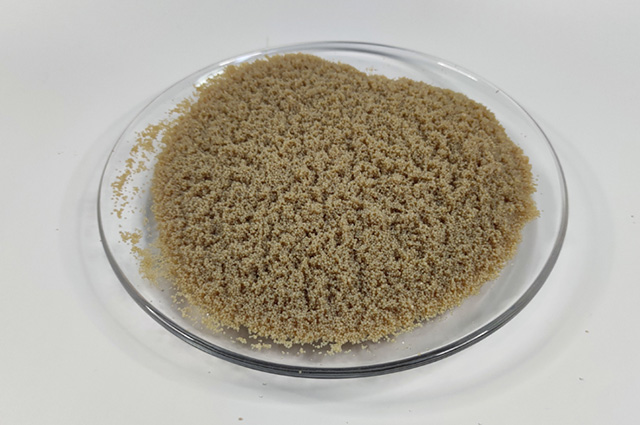
Simply put, a catalytic resin is essentially a type of strongly acidic ion-exchange resin, classified as a heterogeneous catalyst. Its core structure consists of a sulfonated polystyrene-divinylbenzene copolymer. In simpler terms, it utilizes a high-molecular-weight polymer as a structural backbone; through a sulfonation reaction, sulfonic acid groups are introduced onto this backbone, thereby endowing the material with acid-catalytic capabilities.
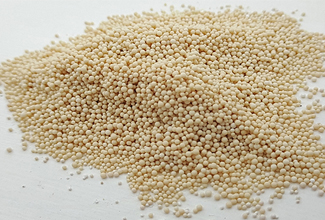
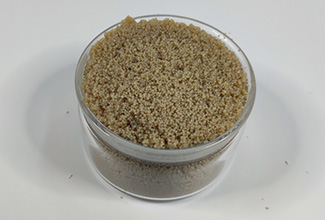
Unlike liquid acids such as sulfuric acid, catalytic resins exist in a solid state. They typically appear as pale yellow or brown granules of uniform size, making them easy to pack and handle. Common commercial grades include Amberlyst, D72, NKC-9, and others; different grades of resin exhibit slight variations in structure and performance, allowing them to be tailored to suit a diverse range of reaction scenarios.
The Working Principle of Catalytic Resins
The catalytic mechanism of catalytic resins actually bears similarities to that of sulfuric acid: both function by releasing hydrogen ions via their acidic functional groups (primarily sulfonic acid groups) to activate the reaction substrates, thereby accelerating the rate of the chemical reaction. In other words, while catalytic resins can achieve catalytic effects comparable to those of sulfuric acid, they differ fundamentally in their mode of application. As it is a solid catalyst, it does not dissolve within the reaction system during the process; thus, it falls under the category of heterogeneous catalysis, with the reaction primarily taking place within the internal structure of the resin. The greatest advantage of this solid form is that, once the reaction is complete, no complex separation steps are required; the resin can be separated from the products simply by filtration, making subsequent processing extremely convenient.
Furthermore, after separation, the resin can have its catalytic activity restored through simple regeneration treatments—such as acid-base washing—allowing it to be reused. This represents one of its most significant advantages when compared to sulfuric acid.
Common Industrial Applications of Catalytic Resins
Catalytic resins have an extremely wide range of applications; they can serve as a substitute for traditional sulfuric acid in almost any reaction catalyzed by the latter, and in some scenarios, they even deliver superior performance.
In esterification reactions—such as the synthesis of propyl gallate—the use of catalytic resins not only yields high conversion rates but also prevents product carbonization, thereby enhancing product purity. In etherification reactions, these resins serve as the dominant catalyst for the production of MTBE (methyl *tert*-butyl ether), facilitating the efficient synthesis of this gasoline additive by catalyzing the reaction between isobutene and methanol.
In the production of biodiesel, catalytic resins can be employed in the transesterification of oils and methanol, replacing sulfuric acid to reduce the discharge of waste acid. In the pharmaceutical industry, the mild reaction conditions facilitated by these resins help protect sensitive functional groups within drug molecules, thereby improving the purity of synthesized pharmaceutical intermediates. Moreover, in fields such as fine chemical synthesis and the preparation of food flavorings, catalytic resins have increasingly become the preferred choice.
What Are The Limitations Of Using Sulfuric Acid?
Prominent Corrosion Issues
The strong corrosiveness of sulfuric acid is a persistent headache for every enterprise that utilizes it. It not only corrodes equipment—such as reactors, pipelines, and valves—but also accelerates equipment aging and significantly reduces its service life.
To combat this corrosion, enterprises are compelled to select specialized corrosion-resistant materials—such as Hastelloy alloys or fluoroplastic-lined equipment—which substantially increases their initial capital investment in equipment. Moreover, even with the use of these specialized materials, equipment remains susceptible to corrosive wear during long-term operation, necessitating frequent maintenance and replacement; consequently, subsequent maintenance costs remain prohibitively high.
Due to the corrosive nature of sulfuric acid, many small and medium-sized enterprises are forced to allocate substantial annual funds toward equipment repair. In severe cases, equipment corrosion and subsequent leaks can even lead to production interruptions, resulting in additional economic losses.
Environmental and Disposal Challenges
Upon the completion of sulfuric acid-catalyzed reactions, a large volume of acidic wastewater is generated. This wastewater possesses an extremely low pH level and contains high concentrations of sulfate ions and various byproducts, rendering it unsuitable for direct discharge. Enterprises are therefore required to construct specialized wastewater treatment systems to process this effluent—employing a series of steps such as neutralization and precipitation—in order to meet stringent environmental discharge standards.
This requirement not only increases the capital investment and operational costs associated with wastewater treatment but also generates significant quantities of hazardous waste. The disposal of such waste must strictly adhere to rigorous environmental regulations; even a minor oversight can result in severe environmental penalties.
As global environmental policies become increasingly stringent, enterprises face mounting pressure regarding environmental compliance. The environmental issues inherent in sulfuric acid catalysis have thus emerged as a significant impediment to the industrial transformation and upgrading efforts of many businesses.
Elevated Safety Risks
Sulfuric acid is classified as a highly corrosive hazardous chemical, presenting significant safety risks throughout its storage, transportation, and usage phases. Storage requires the use of specialized corrosion-resistant containers, accompanied by rigorous measures to prevent leaks and minimize volatilization, as well as precautions to avoid reactive contact with other substances.
During transportation, strict adherence to regulations governing the transport of hazardous chemicals is mandatory; this entails complex administrative procedures and results in relatively high transportation costs. In the operational phase, any mishandling can trigger leaks, potentially causing chemical burns to personnel and even precipitating major safety incidents such as fires or explosions.
Furthermore, prolonged exposure to sulfuric acid vapors can cause respiratory and dermatological damage to operating personnel. Consequently, enterprises must invest substantial capital in safety protection facilities and personnel training programs to effectively mitigate these inherent safety risks. 3.4 Shortcomings in Product Quality
While sulfuric acid possesses strong catalytic activity, its selectivity is relatively poor; during the catalytic reaction process, it easily triggers side reactions, generating unwanted impurities. These impurities compromise product purity and increase the difficulty of subsequent separation and purification steps.
Furthermore, under high-temperature conditions, sulfuric acid can cause the reaction substrate to carbonize, leading to issues such as discoloration and yellowing of the product, thereby negatively impacting its appearance and overall quality. For instance, in the production of ester-based products, sulfuric acid catalysis often results in a deepening of the product's color, necessitating the addition of extra decolorization steps—a process that not only increases production costs but may also reduce product yield.
In industries with stringent purity requirements—such as pharmaceuticals and food flavorings—products catalyzed by sulfuric acid often struggle to meet established quality standards; this limitation, in turn, restricts the scope of sulfuric acid's applicability.
Core Advantages of Catalytic Resins Compared to Sulfuric Acid
Easy Separation and Reusability
Catalytic resins exist as solid particles; consequently, upon the completion of a reaction, no complex separation processes are required—the resin can be effectively separated from the reaction products through simple filtration or sedimentation. Compared to the complex separation steps—such as neutralization and distillation—typically required after sulfuric acid catalysis, this method saves a significant amount of time and labor costs.
More importantly, after separation, the catalytic resin can undergo a simple regeneration treatment to restore its catalytic activity, allowing it to be reintroduced into the production cycle. Depending on the specific reaction scenario, catalytic resins can be reused dozens or even hundreds of times; for example, in the synthesis of propyl gallate, the resin can be reused more than 40 times following regeneration.
This approach not only reduces catalyst consumption and lowers catalyst-related costs but also minimizes the generation of catalyst waste, thereby aligning with the principles of green manufacturing.
Minimal Equipment Corrosion and Extended Service Life
In catalytic resins, acidic functional groups are immobilized within a polymer backbone; unlike sulfuric acid, they do not flow freely, resulting in extremely low corrosivity toward equipment. When utilizing catalytic resins, companies are spared the need to invest substantial capital in specialized corrosion-resistant equipment, as standard stainless steel equipment is sufficient to meet production requirements.
Furthermore, the operating conditions for catalytic reactions involving resins are relatively mild, typically requiring neither high temperatures nor high pressures; this factor further minimizes equipment wear and tear. This significantly extends the service life of reaction equipment and reduces the frequency of maintenance and replacement; in the long run, it saves enterprises substantial capital investment in equipment as well as maintenance costs.
Cleaner Process, Compliant with Environmental Regulations
When utilizing catalytic resins, the reaction process does not generate large quantities of acidic wastewater; instead, it produces only a small amount of rinse water, which is relatively simple to treat. Consequently, wastewater treatment costs are drastically reduced. Furthermore, because the resins are reusable, the volume of catalyst waste generated is significantly minimized, thereby reducing environmental pollution.
This aligns perfectly with current global trends in green chemistry and helps enterprises meet increasingly stringent environmental compliance requirements. It enables them to avoid penalties stemming from environmental issues while simultaneously enhancing their corporate "green" image. For instance, in esterification reactions, the use of catalytic resins—compared to sulfuric acid—leads to a significant reduction in byproducts and environmental pollution, with esterification conversion rates reaching as high as 97.9%.
Higher Product Purity, Simpler Downstream Processing
Catalytic resins exhibit higher catalytic selectivity than sulfuric acid, enabling them to precisely catalyze the target reaction and minimize side reactions, thereby reducing the generation of impurities. This directly enhances product purity; in many cases, products catalyzed by these resins achieve purity levels exceeding 99% without the need for additional, complex purification steps.
Moreover, catalytic resins do not cause carbonization of the reaction substrates, resulting in products with greater stability in terms of appearance and quality. This meets the rigorous product quality standards required by industries such as pharmaceuticals and food manufacturing. For example, in the synthesis of pharmaceutical intermediates, catalytic resins can protect sensitive functional groups, thereby improving both the selectivity and purity of the final product.
Safer Operations, Reduced Safety Risks
As solid-state materials, catalytic resins are non-volatile and do not emit corrosive fumes; consequently, their storage and transportation are far more convenient and safer than those of sulfuric acid. For storage, they simply require a dry, well-ventilated environment and do not necessitate specialized corrosion-resistant containers. For transportation, they are not subject to the strict regulations governing hazardous chemicals, resulting in simpler administrative procedures and lower shipping costs.
During operation, even in the event of a spill, catalytic resins do not cause the severe corrosion or personal injury associated with sulfuric acid; simple cleanup is sufficient. This drastically reduces safety risks within the production process and minimizes the capital investment enterprises must allocate to safety protection measures. 4.6 Lower Long-Term Operating Costs
Although the initial investment for catalytic resins is higher than that for sulfuric acid, their overall cost proves to be lower when viewed from a long-term operational perspective. On one hand, the resins are reusable, thereby reducing the costs associated with catalyst consumption; on the other hand, equipment corrosion is minimized, leading to a substantial reduction in maintenance and replacement costs, as well as a significant decrease in wastewater treatment expenses.
Furthermore, the regeneration costs for catalytic resins are relatively low; their catalytic activity can be restored through simple acid-base washing, which further contributes to lower long-term operating costs. Many enterprises that have adopted catalytic resins are able to recoup their initial investment within one to two years of operation, subsequently realizing continuous cost savings.
.jpg)
A Detailed Comparison of Catalytic Resins vs. Sulfuric Acid
To provide a more intuitive illustration of the differences between the two—and drawing upon actual production scenarios—the following comparison table has been compiled, covering several key factors of primary concern in manufacturing operations:
|
Comparison Factor |
Catalytic Resin |
Sulfuric Acid |
|
Catalyst Form |
Solid particles |
Liquid |
|
Reusability |
Reusable, stable performance after regeneration |
Non-reusable, single-use consumable |
|
Equipment Corrosion |
Low, standard stainless steel equipment is suitable |
Extremely high, requires specialized corrosion-resistant equipment |
|
Wastewater Generation |
Low, only a small amount of cleaning wastewater |
High, requires specialized treatment of acidic wastewater |
|
Product Purity |
High, few by-products, no complex purification needed |
Medium, many by-products, difficult purification |
|
Safety |
Safer, non-volatile, low leakage risk |
Hazardous, highly corrosive, prone to leakage |
|
Environmental Impact |
Low, less waste, aligns with green production |
High, serious pollution from waste acid and wastewater |
|
Maintenance Cost |
Low, minimal equipment wear, low maintenance frequency |
High, severe equipment corrosion, frequent maintenance |
Industries Rapidly Adopting Catalytic Resins
As catalytic resin technology continues to mature, an increasing number of industries are beginning to adopt catalytic resins on a large scale as a substitute for sulfuric acid. Among these, the following industries demonstrate the most extensive and mature applications.
The Petrochemical Industry
The petrochemical sector is one of the most widespread fields for the application of catalytic resins, where they are primarily utilized in reactions such as etherification, alkylation, and isomerization. For instance, in the production of MTBE (a gasoline additive), current mainstream processes—both domestically and internationally—employ macroporous strong-acid cation exchange resins as catalysts. This approach replaces traditional sulfuric acid catalysis, not only boosting reaction efficiency but also mitigating environmental and safety risks.
Furthermore, in processes such as light gasoline etherification and heavy oil catalytic cracking, catalytic resins are gradually displacing sulfuric acid to become the dominant catalyst, thereby assisting enterprises in reducing production costs and enhancing product quality.
The Biodiesel Production Industry
The core reaction in biodiesel production is transesterification. Traditional processes often rely on sulfuric acid as a catalyst, which generates substantial quantities of acidic wastewater and causes environmental pollution. The application of catalytic resins has completely resolved this issue; they efficiently catalyze the transesterification reaction between fats/oils and methanol, and upon completion of the reaction, they can be rapidly separated, recovered, and reused.
Currently, the majority of domestic biodiesel manufacturers have adopted catalytic resins to replace sulfuric acid, thereby simultaneously lowering wastewater treatment costs and improving the purity and quality of the resulting biodiesel.
The Pharmaceutical Manufacturing Industry
The pharmaceutical industry imposes extremely stringent requirements regarding product purity and safety. Sulfuric acid catalysis is prone to generating numerous side reactions and yielding products of lower purity; moreover, it tends to cause equipment corrosion, making it difficult to meet the rigorous standards of pharmaceutical manufacturing. In contrast, the mild reaction conditions facilitated by catalytic resins serve to protect sensitive functional groups within drug molecules, minimize side reactions, and enhance the purity of pharmaceutical intermediates.
In the synthesis of various drugs and intermediates—such as aspirin and aniline—the application of catalytic resins has reached a high level of maturity. This has not only improved product quality but also reduced safety and environmental risks throughout the production process.
The Food and Flavor Chemistry Industry
In the food and flavor chemistry sectors, many products—such as flavorings and food additives—are synthesized through esterification reactions. Catalysis using sulfuric acid often leads to product carbonization and discoloration, negatively impacting the product's appearance and sensory properties; furthermore, residual sulfuric acid compromises product safety.
Catalytic resins, by contrast, exhibit high selectivity; they do not cause product carbonization and effectively preserve the product's color and purity. Moreover, they leave no sulfuric acid residues, thereby meeting food-grade safety standards. Consequently, they are now widely utilized in the synthesis of food flavorings.
The Fine Chemical Synthesis Industry
Fine chemical products are diverse in nature, and their production processes are often complex, necessitating catalysts with high selectivity and efficiency. Catalytic resins can be structurally and functionally tailored to meet specific reaction requirements, making them adaptable to a wide array of fine chemical synthesis processes—such as the production of esters, ethers, and aldehydes.
Compared to sulfuric acid, catalytic resins help minimize by-product formation, boost product yield and purity, and reduce downstream processing costs. As such, they have emerged as a pivotal pillar supporting the transformation and upgrading of the fine chemical industry.
.jpg)
How to Select the Appropriate Catalytic Resin?
Key Selection Factors
When selecting a catalytic resin, one should avoid blindly following trends. Instead, it is essential to align the choice with one's specific production processes and reaction requirements, focusing on the following core factors to identify the most suitable product.
Acid capacity is a critical metric, as it determines the resin's catalytic activity. Generally, a higher acid capacity correlates with higher catalytic efficiency, making such resins ideal for scenarios demanding rapid reaction rates. However, it is important to note that a higher acid capacity is not always superior; the choice must be made judiciously based on the specific type of reaction involved.
Thermal stability is another vital consideration. Since reaction temperatures vary across different processes, the resin's thermal stability must be compatible with the operating temperature. For instance, macroporous resins typically possess a thermal tolerance of up to approximately 120°C, making them suitable for medium-to-high-temperature reactions; conversely, gel-type resins have lower thermal tolerance and are better suited for low-temperature reactions.
Factors such as water tolerance, mechanical strength, and pore structure must not be overlooked either. If the reaction system contains a high moisture content, a resin with strong water tolerance should be selected. For long-term, continuous production operations, a resin with high mechanical strength—one that resists fragmentation—is essential. Furthermore, if the reactant molecules (substrates) are relatively large, one should select a resin with an appropriate pore structure and low diffusion resistance to ensure optimal reaction efficiency.
Choosing Between Gel-Type and Macroporous Resins
Catalytic resins are broadly categorized into two main types: gel-type and macroporous. These two types differ significantly in their structural characteristics and performance profiles, and consequently, they are suited to different application scenarios. Therefore, when making a selection, it is imperative to differentiate between them based on one's specific operational requirements. Gel-type resins possess a relatively dense structure; in their dry state, they exhibit virtually no pore volume, though they form transient micropores upon swelling in water. Their synthesis process is straightforward, resulting in lower production costs. Characterized by strong acidity, they are well-suited for reaction systems involving low temperatures, low viscosity, and an absence of macromolecular impurities—such as conventional esterification reactions and municipal water softening applications.
Macroporous resins, by contrast, incorporate pore-forming agents during the polymerization process to create a permanent microporous structure. They feature a large specific surface area, superior mechanical strength compared to gel-type resins, and enhanced resistance to oxidation and fouling. These resins are ideal for reaction systems involving moderate to high temperatures, the presence of macromolecular impurities, or high flow rates—applications such as pharmaceutical decolorization, the treatment of high-COD wastewater, and MTBE production.
In summary, for reaction conditions that are mild and systems that are free of contaminants, the lower-cost gel-type resins are a suitable choice; however, for complex reaction conditions or systems containing impurities, the more stable macroporous resins are the preferred option.
Conclusion
The core rationale behind replacing sulfuric acid with catalytic resins lies in their ability to resolve the critical pain points associated with sulfuric acid—specifically regarding corrosion, environmental impact, safety, and product quality. Catalytic resins generate minimal wastewater and are recyclable, thereby meeting environmental compliance standards. Furthermore, they offer ease of separation, high safety levels, and lower costs for both equipment maintenance and long-term operation, while also enhancing product purity. For enterprises currently utilizing sulfuric acid catalysis, adopting catalytic resins represents a pivotal strategic choice for reducing costs, bolstering competitiveness, and aligning with the prevailing trends in green chemistry.
.png)