What is ISR Uranium Mining and Why It Matters
As the core raw material for the nuclear power industry, uranium mining methods directly impact the stability and environmental friendliness of global energy supply. In Situ Recovery (ISR) uranium mining, the world's mainstream uranium extraction technology at present, accounts for nearly half of the global uranium production with its advantages of high efficiency, environmental protection and low cost, among which more than 70% of uranium production in the United States comes from this technology. Unlike traditional open-pit mining and underground mining, ISR uranium mining does not require large-scale surface stripping or mine tunnel excavation, causing minimal disturbance to the ecological environment while enabling efficient resource recovery, making it an important support for the sustainable development of the global nuclear power industry. This article will fully break down the core knowledge of ISR uranium mining, answer high-frequency questions in the industry, and help readers gain an in-depth understanding of this key uranium extraction technology.
What Does ISR Stand for in Uranium Mining?
In the field of uranium mining, ISR is a widely used professional abbreviation with two common full expressions - In Situ Recovery and In Situ Leach, which are interchangeable and have exactly the same essential meaning. In addition, ISR is also often referred to as "uranium solution mining". Its core is to realize the dissolution and extraction of uranium elements in situ in uranium ore through chemical means without mining the ore to the surface for processing, which is also the most core difference from traditional uranium mining.
For overseas industry practitioners and energy researchers, clarifying the terminological definition of ISR is the foundation for understanding this technology and one of the high-frequency search demands. It should be noted that the expression of ISR varies slightly in different countries and regions, but the core processes and principles are exactly the same, all centering on the core logic of "in-situ leaching and solution extraction".
How Does ISR Uranium Mining Work? Step-by-Step Process Breakdown
Step 1: Well Site Planning and Layout
The primary link of ISR uranium mining is well site design and construction, whose core purpose is to build a closed-loop "injection-recovery" system. According to the distribution, depth and geological conditions of uranium ore reservoirs, the construction team will drill three types of core wells: injection wells, recovery wells and monitoring wells. Among them, injection wells are responsible for delivering leachate to the underground uranium ore reservoirs, recovery wells are used to pump the pregnant liquor (uranium-ion-dissolved solution) back to the surface, and monitoring wells real-timely monitor reservoir pressure, groundwater quality and the migration of radionuclides to ensure the safe and controllable mining process.
Step 2: Leachate Injection and Uranium Dissolution
Leachate (commonly referred to as lixiviant in the industry) is the core medium of ISR uranium mining, and its composition will be adjusted according to the type of uranium ore and geological conditions. Through injection wells, the staff slowly inject the prepared leachate into the underground uranium ore reservoir. The leachate penetrates into the cracks of uranium ore and undergoes a chemical reaction with uranium elements, converting solid uranium into water-soluble uranium ions to realize the in-situ dissolution of uranium elements. This process does not require damaging the ore structure and is completed in the underground reservoir throughout, causing no direct disturbance to the surface ecology.
Step 3: Pregnant Liquor Recovery and Surface Treatment
When the leachate fully reacts with uranium ore and dissolves a sufficient amount of uranium ions, it forms "pregnant liquor" (a solution rich in uranium ions). The staff pump the pregnant liquor back to the surface through recovery wells for subsequent extraction. At this time, the pregnant liquor contains a small amount of impurity ions in addition to uranium ions, which need to be separated and purified through professional processes, with the core link being ion exchange resin adsorption.
Step 4: Ion Exchange Extraction and Yellow Cake Production
After being pumped back to the surface, the pregnant liquor first enters the ion exchange system. Ion exchange resins specifically adsorb uranium ions in the pregnant liquor and exclude other impurity ions, realizing the preliminary separation of uranium elements. Subsequently, the uranium ions adsorbed by the resin are eluted through the elution process to form a high-concentration uranium solution, which is then processed through precipitation, filtration, drying and other steps to finally produce yellow cake, the core product of the uranium industry. Yellow cake can be further processed into nuclear fuel required for nuclear power.
Step 5: Leachate Recycling
To reduce costs and environmental impacts, ISR uranium mining adopts a leachate recycling mode. The barren liquor (a solution with almost no uranium ions) after uranium ion extraction through ion exchange is treated and then reconfigured into leachate, which is injected into the underground uranium ore reservoir again through injection wells, realizing resource recycling, reducing wastewater discharge and improving the environmental friendliness of mining.
Core Components of the ISR Uranium Mining System
Leachate: The Core Medium for Uranium Dissolution
The composition of leachate directly determines the efficiency of uranium dissolution and mining safety, and different types of leachate are selected in different regions according to geological conditions. Among them, alkaline leachate is mostly used in the United States, mainly because the aquifers of uranium mines in the region contain a large number of acid-consuming minerals. Alkaline leachate can avoid ineffective reactions between acid and minerals and improve uranium extraction efficiency. Regions such as Kazakhstan and Australia mostly use acidic leachate, which has the advantages of no need for adding oxidants and fast leaching speed, but the acid concentration must be strictly controlled to prevent equipment corrosion and groundwater pollution.
Well Site System: The "Transmission and Monitoring Hub" of Mining
The well site system is the foundation of ISR uranium mining, consisting of injection wells, recovery wells, monitoring wells and supporting pipelines. Injection wells and recovery wells usually adopt a "staggered layout" to ensure that the leachate can evenly cover the entire uranium ore reservoir and improve the efficiency of uranium dissolution; monitoring wells are distributed around the well site and at key positions of the reservoir, real-timely monitoring indicators such as groundwater pH value, uranium concentration and radionuclide content, timely detecting abnormalities such as leakage and pollution, and ensuring mining safety.
Ion Exchange Resin: The Core Material for Uranium Extraction
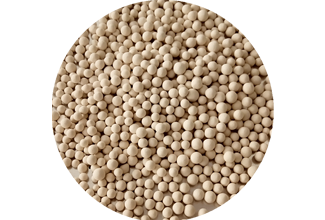
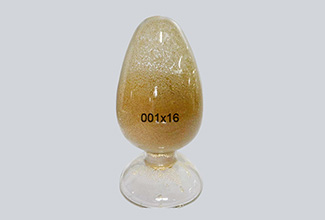
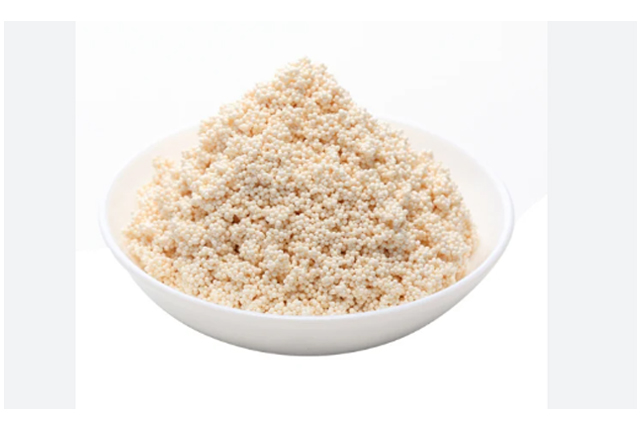
Ion exchange resin is the core material for realizing uranium separation and purification in ISR uranium mining. Its core function is to specifically adsorb uranium ions in the pregnant liquor and exclude other radioactive daughters such as thorium and impurity ions. High-quality ion exchange resins have the characteristics of large adsorption capacity, strong selectivity and good elution performance, which can significantly improve uranium extraction efficiency and reduce production costs, and are an indispensable key component in the ISR mining process.
Yellow Cake Production Equipment: The Terminal Processing Carrier of Uranium Products
Yellow cake production equipment mainly includes elution towers, precipitation tanks, filters, dryers, etc., which are responsible for converting the high-concentration uranium solution eluted from ion exchange resins into solid yellow cake. These equipments must have the characteristics of corrosion resistance and radiation protection to ensure the safety and stability of the production process, and at the same time, the radioactive pollution in the production process must be strictly controlled to meet global environmental protection and safety standards.
The Core of ISR Uranium Mining: The Role of Ion Exchange Resin
In the ISR uranium mining process, ion exchange resin undertakes the core task of "uranium separation and purification", is the key link connecting underground leaching and surface processing, and its role runs through the entire process of uranium extraction, directly determining the purity of uranium products and mining efficiency.
From the perspective of process logic, the uranium ion concentration in the pregnant liquor after underground leaching is low, and it is mixed with a large number of impurity ions and radioactive daughters, which cannot be directly used for yellow cake production. At this time, through its own ion exchange effect, the ion exchange resin specifically adsorbs uranium ions in the pregnant liquor and leaves other irrelevant ions in the solution, realizing the preliminary purification of uranium elements. Compared with other separation technologies, ion exchange resin has the advantages of strong selectivity, high adsorption efficiency and reusability, and can increase the uranium ion concentration in the pregnant liquor to the standard suitable for yellow cake production at a lower cost.
In addition, ion exchange resin can effectively intercept radionuclides (such as radium and radon) in the pregnant liquor, reduce radioactive substances from entering the subsequent production links, and lower the risk of radiation pollution. According to the actual application data of ISR facilities in the United States, high-quality ion exchange resins can achieve an adsorption rate of more than 99% for uranium ions and intercept more than 80% of radioactive impurities at the same time, which not only guarantees product quality but also improves the safety of the mining process. It can be said that the performance of ion exchange resin directly determines the efficiency, cost and environmental protection level of ISR uranium mining.
Comparison of Alkaline Leaching and Acid Leaching in ISR Uranium Mining
Core Differences Between the Two Leaching Methods
Alkaline leaching and acid leaching are the two most commonly used leaching methods in ISR uranium mining. The core difference between them lies in the different compositions of leachate, which in turn leads to obvious differences in applicable scenarios, process characteristics and environmental protection requirements. Among them, the main components of alkaline leachate are sodium carbonate and sodium bicarbonate, showing weak alkalinity; the main component of acidic leachate is sulfuric acid, showing strong acidity.
Applicable Scenarios and Geographical Distribution
Alkaline leaching is mainly applicable to areas where uranium ore reservoirs contain a large number of acid-consuming minerals (such as calcite). Such minerals will react with acidic leachate, consume a large amount of acid and reduce the efficiency of uranium dissolution. Therefore, regions with such geological conditions as the United States generally adopt alkaline leaching. Acid leaching is suitable for uranium ore reservoirs with low content of acid-consuming minerals, with fast leaching speed, high uranium dissolution efficiency and no need for adding oxidants. Therefore, regions such as Kazakhstan and Australia mostly adopt this method.
Differences in Radionuclide Migration
The two leaching methods also have differences in the risk of radionuclide migration. During the alkaline leaching process, the high pH value of the leachate can effectively inhibit the migration of radionuclides such as radium and reduce the risk of groundwater pollution; the low pH value of acidic leachate will accelerate the migration of radionuclides, so more strict monitoring and prevention and control measures are needed to avoid the leakage of radioactive substances into the groundwater system.
Radioactive Characteristics of ISR Uranium Mining
Main Radionuclides in ISR Mining
Uranium ore itself is radioactive. The main radionuclides involved in the ISR mining process include uranium daughters (such as radium-226, radon-222) and other radioactive impurities. Among them, radon is a radioactive gas, which may leak into the air if the well site is not sealed tightly during mining; radium is easily soluble in water, which may pollute groundwater if the leachate leaks. Therefore, the migration of these two radionuclides needs to be focused on prevention and control.
The Interception Effect of Ion Exchange Resin on Radionuclides
As mentioned above, ion exchange resin can not only adsorb uranium ions but also effectively intercept radionuclides in the pregnant liquor. In the pregnant liquor treatment process, ion exchange resin will adsorb radioactive ions such as radium on the resin surface through the dual effects of physical adsorption and ion exchange, preventing them from entering the subsequent production links, and at the same time reducing the total amount of radioactive substances discharged with wastewater and lowering the risk of radiation pollution.
Radiation Monitoring Scheme for ISR Mining
To ensure the radiation safety of the mining process, ISR uranium mining will establish a sound radiation monitoring system, mainly including three levels: first, underground monitoring, real-timely monitoring the concentration and migration of radionuclides in the reservoir through monitoring wells; second, surface monitoring, conducting regular sampling and testing of air, soil and groundwater around the well site to investigate radioactive leakage; third, equipment and personnel monitoring, conducting radiation dose testing on production equipment, equipping staff with radiation protection equipment and conducting regular radiation dose testing to ensure personnel safety.
Comparison Between ISR Uranium Mining and Traditional Uranium Mining
Process Difference: In-situ Extraction vs Surface Mining
The core of ISR uranium mining is "in-situ extraction", which does not require mining uranium ore to the surface. The dissolution and recovery of uranium are completed in the underground reservoir throughout the process, and only well sites and treatment facilities need to be built on the surface; traditional uranium mining (including open-pit mining and underground mining) requires large-scale surface stripping and mine tunnel excavation, mining uranium ore to the surface, and then extracting uranium through crushing, grinding, leaching and other processes, with more complex process links and greater damage to the surface.
Environmental Impact Difference: Environmentally Friendly and Efficient vs High Disturbance
ISR uranium mining causes minimal disturbance to the environment, without damaging surface vegetation and soil, and does not produce a large amount of tailings (traditional mining produces a large amount of tailings, which is easy to cause soil erosion and radioactive pollution). At the same time, the leachate can be recycled, and the amount of wastewater discharge is extremely small; traditional uranium mining damages the surface ecology and produces a large amount of tailings and wastewater. If not properly treated, it is easy to cause soil and groundwater pollution, and restoring the surface ecology requires a lot of time and costs.
Cost and Efficiency Difference: Low Cost and High Efficiency vs High Cost and Low Efficiency
ISR uranium mining does not require a lot of capital investment in surface stripping, mine tunnel excavation and ore transportation, and the recycling of leachate can reduce raw material costs, so the overall production cost is much lower than that of traditional mining; at the same time, ISR mining has high uranium extraction efficiency and can realize the full recovery of uranium resources, while in traditional mining, part of uranium is lost with tailings, and the extraction efficiency is relatively low.
Environmental Considerations for ISR Uranium Mining
Groundwater Protection: The Core Environmental Priority
Groundwater protection is the core environmental consideration of ISR uranium mining, because the leakage of leachate will directly pollute groundwater. To prevent groundwater pollution, ISR mining will take multiple prevention and control measures: first, strictly screen well site addresses and avoid groundwater drinking water sources; second, conduct anti-corrosion and sealing treatment on wells to prevent leachate leakage; third, real-timely monitor groundwater quality through monitoring wells, and immediately stop mining and take treatment measures once abnormalities are found; fourth, after the end of mining, repair the underground reservoir and restore the groundwater quality to the level before mining.
Radioactive Waste Disposal: Standardized Management to Reduce Risks
The radioactive waste generated by ISR uranium mining mainly includes solid wastes such as waste ion exchange resins and filter residues. These wastes will be classified and collected, stored in special radiation-proof containers, and treated and disposed of in accordance with global nuclear safety standards to avoid the leakage of radioactive substances into the environment. Among them, waste ion exchange resins can be regenerated through professional processes to realize resource reuse and further reduce waste discharge.
Leachate Leakage Prevention and Control: Whole-process Supervision
Leachate leakage is one of the main environmental risks of ISR mining, so a whole-process prevention and control system will be established. In the leachate injection link, strictly control the injection pressure to avoid well rupture caused by excessive pressure; in the transportation link, use corrosion-resistant and leak-proof pipelines, and conduct regular testing and maintenance; in the recovery link, real-timely monitor the flow and concentration of pregnant liquor in recovery wells, timely find potential leakage hazards, and ensure that the leachate operates in a closed-loop system throughout the process.
Frequently Asked Questions (FAQs) About ISR Uranium Mining
Is ISR Uranium Mining Safe for Groundwater?
Yes, ISR uranium mining is safe for groundwater as long as standardized mining processes are strictly followed. Multiple prevention and control measures are taken during the mining process, including well sealing, real-time monitoring and leachate recycling, which can effectively prevent leachate leakage. At the same time, after the end of mining, the underground reservoir will be repaired to restore the groundwater quality to its original level, meeting global groundwater environmental protection standards.
What is Yellow Cake in ISR Mining?
Yellow cake is the terminal product of ISR uranium mining, essentially a mixture of ammonium diuranate or sodium diuranate, named for its appearance as a yellow powder. Yellow cake itself has low radioactivity and is the core intermediate product of the uranium industry. It can be further processed into uranium dioxide and then made into nuclear fuel rods required for nuclear power, which are widely used in the global nuclear power industry.
Why is Ion Exchange Resin Crucial for ISR Mining?
Ion exchange resin is the core material for realizing uranium separation and purification in ISR mining. It can specifically adsorb uranium ions in the pregnant liquor, exclude impurity ions and radioactive daughters, and improve the purity of uranium products. At the same time, ion exchange resin can be reused, which can reduce mining costs and waste discharge. Without ion exchange resin, ISR mining cannot achieve efficient and low-cost uranium extraction, so it is crucial for the ISR process.
What is the Global Proportion of Uranium Production from ISR Mining?
At present, ISR uranium mining has become the world's mainstream uranium extraction method, accounting for nearly 50% of the global total uranium production. Among them, the United States, Kazakhstan and Australia are the world's major ISR uranium mining countries. More than 70% of uranium production in the United States comes from ISR mining, and Kazakhstan is the country with the highest ISR uranium production in the world, accounting for more than 60% of the global ISR uranium production.
What are the Advantages of ISR Uranium Mining Compared with Traditional Mining?
Compared with traditional uranium mining, the core advantages of ISR mining are reflected in three aspects: first, environmental protection, without damaging the surface ecology, no large amount of tailings and wastewater discharge, and minimal environmental disturbance; second, low cost, no capital investment in surface stripping, mine tunnel excavation and ore transportation, and recyclable leachate; third, high efficiency, able to realize the full recovery of uranium resources with extraction efficiency much higher than that of traditional mining.
Is ISR Uranium Mining a Reliable Uranium Extraction Method?
Based on the above analysis, it can be concluded that ISR uranium mining is a reliable uranium extraction method with high efficiency, environmental protection, safety and low cost, and has become an important support for the sustainable development of the global nuclear power industry. Its core advantage lies in "in-situ extraction", which can minimize the disturbance to the surface ecology. At the same time, through the application of core materials such as ion exchange resin, it can realize the efficient recovery and purification of uranium resources and reduce production costs and environmental risks.
From the perspective of the global application status, the proportion of ISR uranium mining in total production is continuously increasing. The long-term practices of countries such as the United States and Kazakhstan have proved that as long as standardized mining processes and environmental protection standards are strictly followed, the win-win of resource development and environmental protection can be achieved. For the global nuclear power industry, ISR uranium mining can not only stably supply uranium raw materials but also promote the development of the uranium mining industry towards a green, efficient and sustainable direction, and will remain the mainstream technology for global uranium extraction in the future. At the same time, as the core material of ISR mining, the improvement of ion exchange resin performance will further promote the optimization of the ISR process and provide a stronger support for global energy security.