Hydrometallurgy is a core process in modern metal extraction, which mainly realizes the separation and recovery of metals from ores through aqueous solutions. It is widely used in the extraction and processing of precious metals, base metals, and rare earth elements. In the hydrometallurgical process, efficient metal separation and purification are key links determining product quality, production cost, and process feasibility. As a high-performance separation material, ion exchange resin plays an irreplaceable core role in optimizing hydrometallurgical efficiency, improving product purity, and reducing energy consumption. This paper comprehensively analyzes the specific functions, working principles, core advantages, and application points of resin in hydrometallurgy, providing professional and practical references for industry practitioners.
What is Hydrometallurgy and Why is Resin Crucial?
Core Definition and Process of Hydrometallurgy
Hydrometallurgy is an extraction process that uses water as a medium to convert metals in ores into soluble ionic forms through chemical reactions, and finally obtains high-purity metals or their compounds through separation, purification, recovery, and other steps. Compared with pyrometallurgy, hydrometallurgy has the advantages of low energy consumption, low pollution, and wide applicability (especially suitable for low-grade and complex ores), and has become one of the mainstream processes for the extraction of gold, copper, nickel, zinc, and rare earth elements. Its core process is divided into four stages: leaching, separation, purification, and recovery, each with clear process objectives, among which the separation and purification stages directly determine the purity and quality of the final product.
Separation and Purification Challenges in Hydrometallurgy
In hydrometallurgical practice, the separation and purification links often face three core challenges: first, the low concentration of metal ions in the leachate makes direct recovery difficult and costly; second, the leachate contains a large number of impurity ions, which tend to co-precipitate with target metal ions or interfere with subsequent reactions, affecting product purity; third, traditional separation methods (such as precipitation and solvent extraction) have problems such as high energy consumption, heavy pollution, and poor selectivity, which are difficult to meet the modern industrial requirements for efficient, environmentally friendly, and economical production. The emergence of ion exchange resin precisely addresses these challenges, making it a key material in the hydrometallurgical process.
What is Ion Exchange Resin and How Does It Work in Hydrometallurgy?
Basic Definition and Structural Characteristics of Ion Exchange Resin
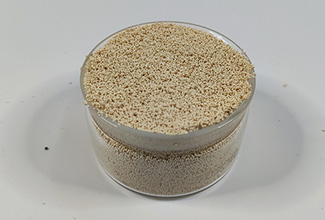
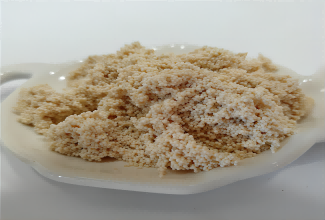
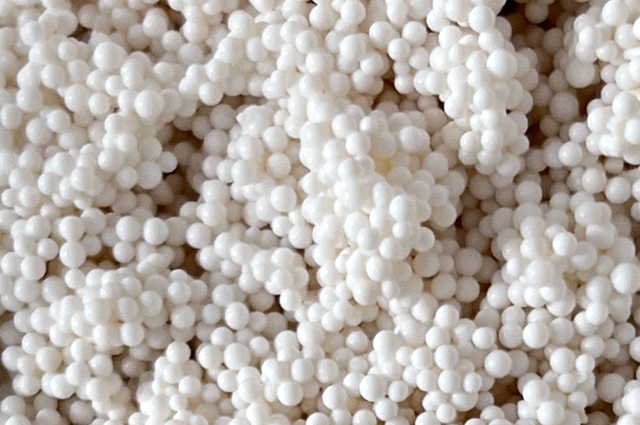
Ion exchange resin is an insoluble polymer material, whose core structure consists of three parts: polymer backbone, functional groups, and exchangeable ions. The polymer backbone provides a stable physical structure for the resin, making it insoluble but swellable in aqueous solutions; functional groups are the core for the resin to achieve ion exchange, uniformly distributed on the surface of the backbone, and can specifically bind to metal ions in aqueous solutions; exchangeable ions are ions carried on functional groups (such as hydrogen ions, sodium ions), which can exchange with target metal ions in the solution.
Core Working Principle of Ion Exchange Resin in Hydrometallurgy
The core working mechanism of ion exchange resin in hydrometallurgy is "ion exchange reaction": when the leachate containing target metal ions flows through the resin bed, the functional groups on the resin surface selectively adsorb the target metal ions in the solution, and release their own exchangeable ions into the solution, realizing the separation of target metal ions from impurity ions; after the resin reaches saturation adsorption, it is treated with a specific eluent (such as acid or alkali solution) to desorb the target metal ions adsorbed on the resin, obtaining a high-concentration target metal solution, while the resin restores its original performance and can be reused.
Key Performance Requirements for Hydrometallurgical Resins
Ion exchange resins used in hydrometallurgy must meet three core performance requirements: first, selectivity, the ability to accurately identify and adsorb target metal ions and exclude interference from impurity ions; second, exchange capacity, the amount of target metal ions that can be adsorbed per unit mass of resin is sufficiently high to improve treatment efficiency; third, stability, maintaining stable physical structure and chemical performance in the harsh leaching environments common in hydrometallurgy such as strong acid, strong alkali, and high temperature, avoiding resin degradation or failure.
Main Roles of Resin in Hydrometallurgy: Metal Separation and Purification
Core Mechanism of Resin for Metal Separation
Metal separation is the primary role of resin in hydrometallurgy, with its core advantage being "selective adsorption". Different types of ion exchange resins have different affinities for different metal ions due to their functional groups. By selecting the appropriate resin, efficient separation of target metal ions from impurity ions in the leachate can be achieved. For example, in copper ore leachate, the resin can selectively adsorb copper ions with little adsorption of impurity ions such as iron and aluminum, thus quickly separating copper ions from impurities and simplifying the subsequent treatment process.
Specific Application of Resin in Metal Purification
The metal solution after preliminary separation may still contain trace impurity ions, which affect the purity and performance of the final metal product, requiring further purification. Ion exchange resin can accurately remove trace impurities in the solution through secondary adsorption, making the purity of the target metal solution meet industrial production requirements. For example, in gold extraction, the resin can adsorb gold ions in the solution and remove trace impurities such as silver and lead, finally obtaining a high-purity gold solution, laying a foundation for subsequent reduction and electrolysis steps.
Core Value of Resin in Separation and Purification
The application of resin in metal separation and purification not only improves product purity but also significantly reduces downstream processing costs. Traditional separation methods often require multiple precipitations and filtrations, with complex processes and high energy consumption, while resin separation and purification feature simple processes and high efficiency, greatly reducing reagent consumption and wastewater discharge; meanwhile, the selective adsorption of resin avoids the waste of target metals, improves metal recovery rate, and further reduces production costs, which is also the key reason why resin has become a core material in hydrometallurgy.
Role of Resin in Metal Concentration from Dilute Leachate
Treatment Pain Points of Dilute Leachate and Resin Solutions
In hydrometallurgy, the concentration of target metal ions in the leachate of most ores is low (e.g., the concentration of gold ions in low-grade gold ore leachate is only at the milligram level). Direct recovery of dilute leachate is not only energy-intensive and inefficient but also causes waste of metal resources. Ion exchange resin can concentrate target metal ions in dilute leachate onto the resin through adsorption, and then desorb with eluent to obtain a high-concentration target metal solution, realizing the concentration of metal ions and solving the problem of dilute leachate treatment.
Comparative Advantages of Resin Concentration vs. Traditional Concentration Methods
Traditional metal concentration methods (such as precipitation and evaporation concentration) have obvious drawbacks: precipitation tends to produce a large amount of waste residue, polluting the environment and with low metal recovery rate; evaporation concentration consumes extremely high energy, suitable for high-concentration solutions, and the treatment cost of dilute leachate is too high. Resin concentration method has three advantages: first, low energy consumption, achieving concentration only through resin adsorption and desorption without high-temperature evaporation; second, high metal recovery rate, maximizing the adsorption of target metal ions in dilute leachate; third, good environmental friendliness, no large amount of waste residue and wastewater generated, meeting the requirements of modern industrial green production.
Impact of Resin Concentration on the Economics of Hydrometallurgy
The application of resin concentration technology significantly improves the overall economics of hydrometallurgy. On the one hand, the concentrated high-concentration metal solution can directly enter subsequent processes such as reduction and electrolysis, reducing reagent consumption and equipment load in subsequent treatment and lowering processing costs; on the other hand, for low-grade ores, resin concentration can realize effective recovery of low-concentration metal ions, making low-grade ores originally without mining value utilizable, expanding the application scope of hydrometallurgy and enhancing the economic benefits of enterprises.
Comparison of Ion Exchange Resin with Other Separation Technologies in Hydrometallurgy
Comparison with Solvent Extraction
Solvent extraction is a traditional separation technology in hydrometallurgy, whose core is to extract target metal ions through organic solvents. Compared with solvent extraction, ion exchange resin has two major advantages: first, higher selectivity, accurately adsorbing target metal ions, reducing impurity interference and improving product purity; second, better environmental friendliness, solvent extraction tends to produce organic solvent volatilization pollution, while resin separation process uses no organic solvents and has low difficulty in wastewater treatment, more in line with green production requirements. However, solvent extraction is more efficient in treating high-concentration metal solutions, and the two can be used in combination according to actual process needs.
Comparison with Precipitation
Precipitation realizes separation and recovery by adding chemical reagents to make target metal ions form precipitates. The disadvantages of this method are: precipitation process tends to produce a large amount of waste residue, polluting the environment; low metal recovery rate, part of target metal ions will be lost with waste residue; low precipitation purity, requiring multiple purifications subsequently. Ion exchange resin separation does not need to add a large amount of chemical reagents, produces no waste residue, has high metal recovery rate, and the separated metal solution has higher purity, which can be directly used for subsequent processing, greatly simplifying the process.
Comparison with Membrane Separation Technology
Membrane separation technology is a new separation technology that realizes the separation of metal ions from impurities through the sieving effect of membranes. Its advantages are high separation efficiency and low energy consumption, but it has problems such as easy membrane fouling, short service life, high treatment cost (high membrane replacement cost), and high requirements for leachate purity, not suitable for dilute leachate treatment with high impurity content. Ion exchange resin has strong anti-pollution ability, can treat dilute leachate with high impurity content, and the resin can be regenerated and reused with long service life and lower comprehensive treatment cost, more suitable for complex working conditions in hydrometallurgy.
Optimal Application Scenarios of Resin Separation Technology
Overall, the optimal application scenarios of ion exchange resin in hydrometallurgy include: metal separation and concentration of low-grade ore leachate, purification of high-purity metal products, target metal separation of complex ores (containing multiple impurities), and recovery of rare and precious metals (such as gold and silver). In these scenarios, the advantages of resin in selectivity, stability and economy can be fully exerted, bringing significant economic and environmental benefits to enterprises.
Key Resin Properties for Enhancing Hydrometallurgical Performance
Selectivity: The Core Competitiveness of Resin Separation
Selectivity is the most critical property of ion exchange resin, directly determining separation effect and product purity. Resins with different functional groups have different affinities for different metal ions. For example, strong acid cation resins have strong affinity for heavy metal ions (copper, nickel, lead), while strong base anion resins have strong affinity for precious metal complex ions (such as gold cyanide complex ions). In practical applications, targeted resins must be selected according to the type of target metal ions to achieve efficient separation.
Exchange Capacity: Key Indicator Affecting Treatment Efficiency
Exchange capacity refers to the maximum amount of target metal ions that can be adsorbed per unit mass (or volume) of resin, which is a key indicator measuring resin treatment efficiency. The higher the exchange capacity, the stronger the treatment capacity of the resin, which can reduce resin dosage and treatment time and lower production costs. In hydrometallurgy, resins with high exchange capacity are usually selected, especially for dilute leachate treatment, where high exchange capacity can improve metal concentration efficiency and reduce resin regeneration times.
Chemical Stability: Foundation for Adapting to Harsh Working Conditions
Leachates in hydrometallurgy are mostly strong acid or strong alkali systems, and some processes need to be carried out under high temperature conditions, so the resin must have good chemical stability. High-quality hydrometallurgical resins can maintain stable physical structure and chemical performance in strong acid, strong alkali and high temperature (usually not exceeding 80℃) environments without degradation, swelling or breakage, ensuring long-term stable operation and reducing resin replacement costs.
Mechanical Strength: Premise for Ensuring Industrial Continuous Operation
In industrial production, resins need to undergo repeated adsorption, regeneration, elution and other processes in the resin bed, and are impacted by solution flow, so they must have sufficient mechanical strength. Resins with high mechanical strength are not easy to break or pulverize during repeated use, avoiding resin particles blocking the resin bed, ensuring the continuous and stable operation of the production process, extending the service life of the resin, and reducing operating costs.
Resin Regeneration: A Key Step for the Sustainable Development of Hydrometallurgy
Core Definition and Purpose of Resin Regeneration
Resin regeneration refers to the process of desorbing metal ions adsorbed on the resin through specific chemical methods after the resin reaches saturation adsorption of target metal ions, restoring the original ion exchange performance of the resin for reuse. Its core purposes are twofold: first, recovering target metal ions adsorbed on the resin to improve metal recovery rate; second, realizing the recycling of resin, reducing resin waste, lowering production costs, and promoting the sustainable development of hydrometallurgy.
Common Regeneration Methods of Resin in Hydrometallurgy
Resin regeneration methods in hydrometallurgy are mainly determined according to the type of target metal ions and resin functional groups, with acid-base elution being the most commonly used. For cation exchange resins (used to adsorb metal cations), acidic eluents (such as hydrochloric acid and sulfuric acid) are usually used for regeneration, exchanging hydrogen ions with metal cations on the resin to desorb metal ions; for anion exchange resins (used to adsorb metal complex anions), alkaline eluents (such as sodium hydroxide solution) are usually used for regeneration, exchanging hydroxide ions with complex anions on the resin to achieve desorption. In addition, some special resins can use special eluents to improve regeneration efficiency and metal recovery rate.
Core Value of Regeneration Process to Hydrometallurgy
Resin regeneration is a key link to achieve sustainable development and cost control in the hydrometallurgical process. On the one hand, regenerated resin can be reused, greatly reducing resin consumption and raw material costs; on the other hand, through the regeneration process, target metal ions adsorbed on the resin can be desorbed to obtain high-concentration metal solutions, realizing full recovery of metal resources and improving the economic benefits of enterprises. Meanwhile, the eluent generated in the resin regeneration process can be recycled, reducing wastewater discharge and meeting the requirements of green industrial production.
Common Applications of Resin in Hydrometallurgical Processes
Resin Application in Precious Metal Recovery
In the hydrometallurgical extraction of gold, silver and other precious metals, resin is the core separation material. For example, in gold extraction, cyanide leaching is used to convert gold into gold cyanide complex ions, which are then selectively adsorbed by strong base anion exchange resin to remove impurities in the solution, and then desorbed by eluent to obtain high-concentration gold solution, and finally high-purity gold is obtained through reduction and electrolysis. The application of resin greatly improves the recovery rate and product purity of gold and reduces extraction costs.
Resin Application in Base Metal Extraction
In the hydrometallurgy of copper, nickel, zinc and other base metals, resin is mainly used for separation and purification. For example, copper ore leachate contains copper ions, iron ions, aluminum ions and other ions. Cation exchange resin is used to selectively adsorb copper ions to realize the separation of copper from impurities, and then high-purity electrolytic copper is obtained through elution, electrolysis and other steps. Compared with traditional processes, resin separation method has simpler process, lower energy consumption and better environmental friendliness, and has become one of the mainstream technologies for hydrometallurgical extraction of base metals.
Resin Application in Rare Earth Element Separation
Rare earth elements (REE) are numerous with similar chemical properties, making separation difficult. Relying on its excellent selectivity, ion exchange resin has become the core material for rare earth element separation. By selecting targeted resins, efficient separation between different rare earth elements can be achieved to obtain high-purity single rare earth elements, meeting the demand for high-purity rare earth materials in aerospace, electronics, new energy and other fields.
Comprehensive Cost-Benefit Consideration
When selecting resin, comprehensive cost-benefit should be considered, not only focusing on the procurement cost of the resin, but also factors such as service life, regeneration efficiency and metal recovery rate of the resin. Although high-quality resins have higher procurement costs, they have long service life, high regeneration efficiency and high metal recovery rate. In the long run, they can greatly reduce comprehensive production costs and bring higher economic benefits to enterprises.
FAQ
Can Any Ion Exchange Resin Be Used for Hydrometallurgy?
No. Hydrometallurgical working conditions are complex (strong acid, strong alkali, high temperature, many impurities), with specific requirements for resin selectivity, stability, mechanical strength, etc. Ordinary ion exchange resins (such as those used for water treatment) cannot adapt to the harsh conditions of hydrometallurgy, and are prone to degradation and failure, affecting production efficiency and product quality. Therefore, special resins dedicated to hydrometallurgy must be selected according to specific process needs.
How Long is the Service Life of Resin in Hydrometallurgy?
The service life of resin mainly depends on resin quality, process conditions and regeneration method. Generally, the service life of high-quality special hydrometallurgical resins can reach 1-3 years. If the process conditions are mild and regeneration operations are standardized, the service life of the resin can be further extended; if the impurity content in the leachate is too high, regeneration is not timely or the regeneration method is improper, the service life of the resin will be shortened and replacement costs will increase.
Does Using Resin Increase the Cost of Hydrometallurgy?
No, on the contrary, it reduces the comprehensive production cost. Although resin has procurement costs, it can be reused through regeneration, and can improve metal recovery rate, simplify process flow, reduce reagent consumption and wastewater treatment costs. In the long run, using resin can significantly reduce the comprehensive production cost of hydrometallurgy. Especially for the treatment of low-grade ores and dilute leachate, the application of resin can make projects originally without economic benefits feasible.
How to Maintain Resin Performance in Hydrometallurgy?
The core of maintaining resin performance is standardized operation and regular maintenance: first, strictly control parameters such as pH value and temperature of leachate according to process requirements to avoid damaging the resin; second, regenerate saturated resin in a timely manner to avoid resin failure due to excessive adsorption; third, regularly clean the resin bed to remove impurities and deposits on the resin surface and prevent resin blockage; fourth, select appropriate regenerant and regeneration process to improve regeneration efficiency and restore resin performance.