Case at a Glance
|
Item |
Details |
|
Customer Location |
Poland |
|
Application |
Nicotine Polacrilex |
|
Resin Requirement |
WAC-type resin |
|
Polymer Structure |
Acrylic/Methacrylic, DVB-crosslinked |
|
First Sample |
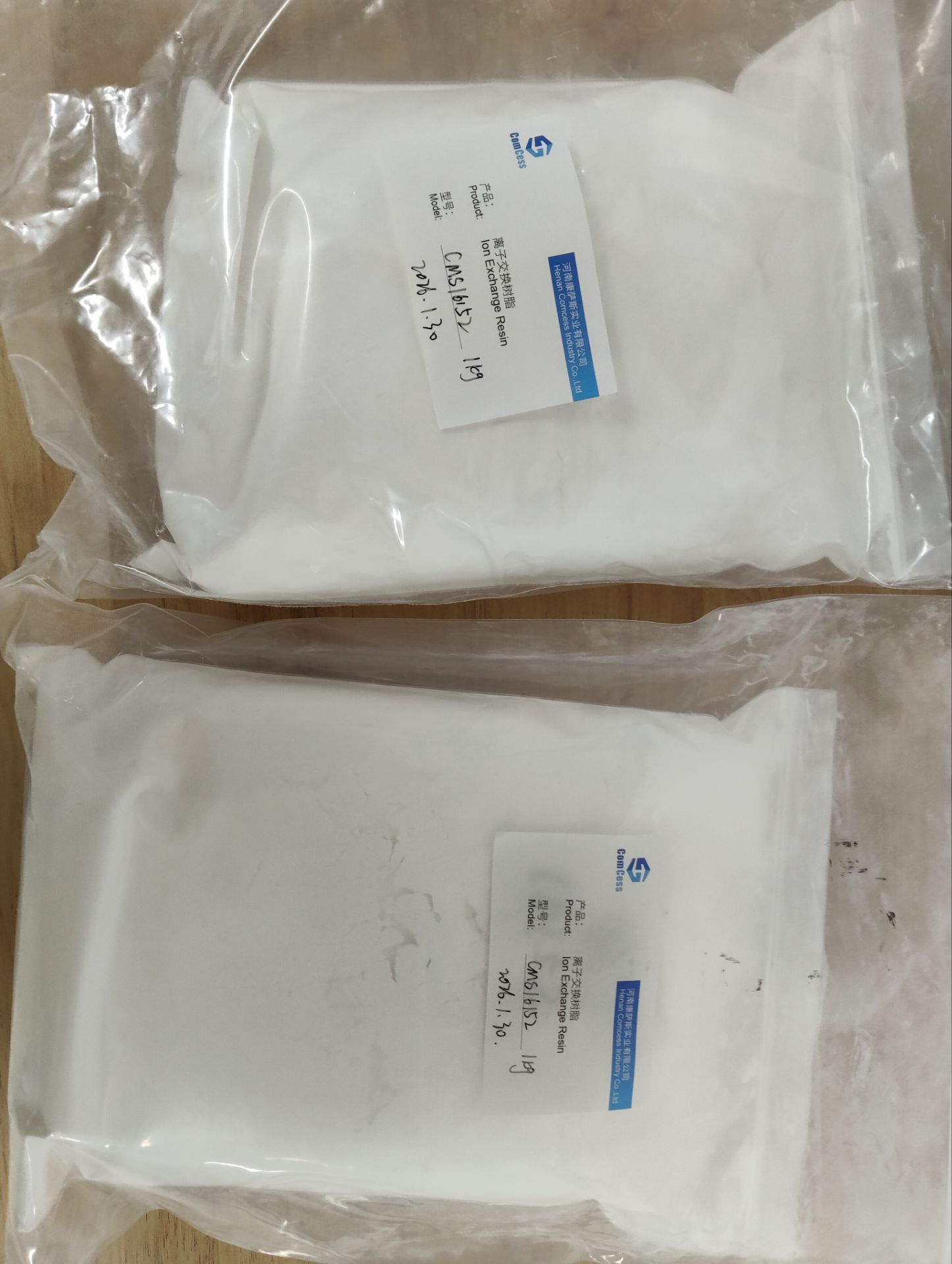
CMS16152 |
|
Second Sample |
WAC251FM |
|
Current Stage |
Follow-up validation |
|
Service Provided |
Sample selection & technical support |
From initial sample evaluation to a second-round resin solution tailored to the client's application requirements.
We recently completed the second round of resin sample delivery for a specialized industrial client in Poland, supporting their development work involving nicotine polacrilex.
The project began with the client's search for a weak acid cation (WAC) resin based on an acrylic/methacrylic matrix crosslinked with DVB, with specific requirements for the binding and release of nicotine.
Rather than treating the request as a standard product inquiry, our technical team worked through the sample evaluation process with the client and adjusted the resin selection based on the results of the first test.
This two-stage approach demonstrates how we support customers when a standard resin does not immediately provide the right fit.
Understanding the Client's Resin Requirements
The client's initial inquiry specified several important characteristics:
WAC-type ion exchange resin
Acrylic/methacrylic polymer matrix
DVB crosslinking
Application involving nicotine binding and release
Requirements for compatibility with the client's specific process
These requirements involve more than simply selecting a resin according to its functional group.
The polymer matrix, crosslinking structure, moisture content, particle characteristics and ion exchange properties can all influence how a resin behaves within a particular process.
For this reason, sample testing was necessary before moving toward a final product selection.
First-Round Evaluation with CMS16152
For the initial evaluation, we supplied CMS16152 as the first sample for the client's laboratory testing.
The purpose of this stage was to allow the client to evaluate the resin directly under its own process conditions and establish a practical performance benchmark.
After completing the first round of testing, the client provided feedback indicating that the initial resin did not fully match the requirements of their targeted application.
Instead of simply recommending the client proceed with the original material, our technical team reviewed the feedback and reassessed the resin selection.
This became the starting point for the second stage of the project.
From Test Feedback to a More Suitable Resin Selection
One of the most valuable parts of a resin sample project is often the process between the first test and the next sample.
Our technical team communicated with the client to better understand the test results, application requirements and expected resin behavior.
Based on this technical exchange, we selected WAC251FM for the second-round evaluation.
This change reflects an important part of our technical service approach: the first sample is not necessarily the final answer.
When test results show that a resin needs to be better matched to the application, we can reassess the product selection and provide another resin for comparative evaluation.
Second-Round WAC251FM Samples Delivered to Poland
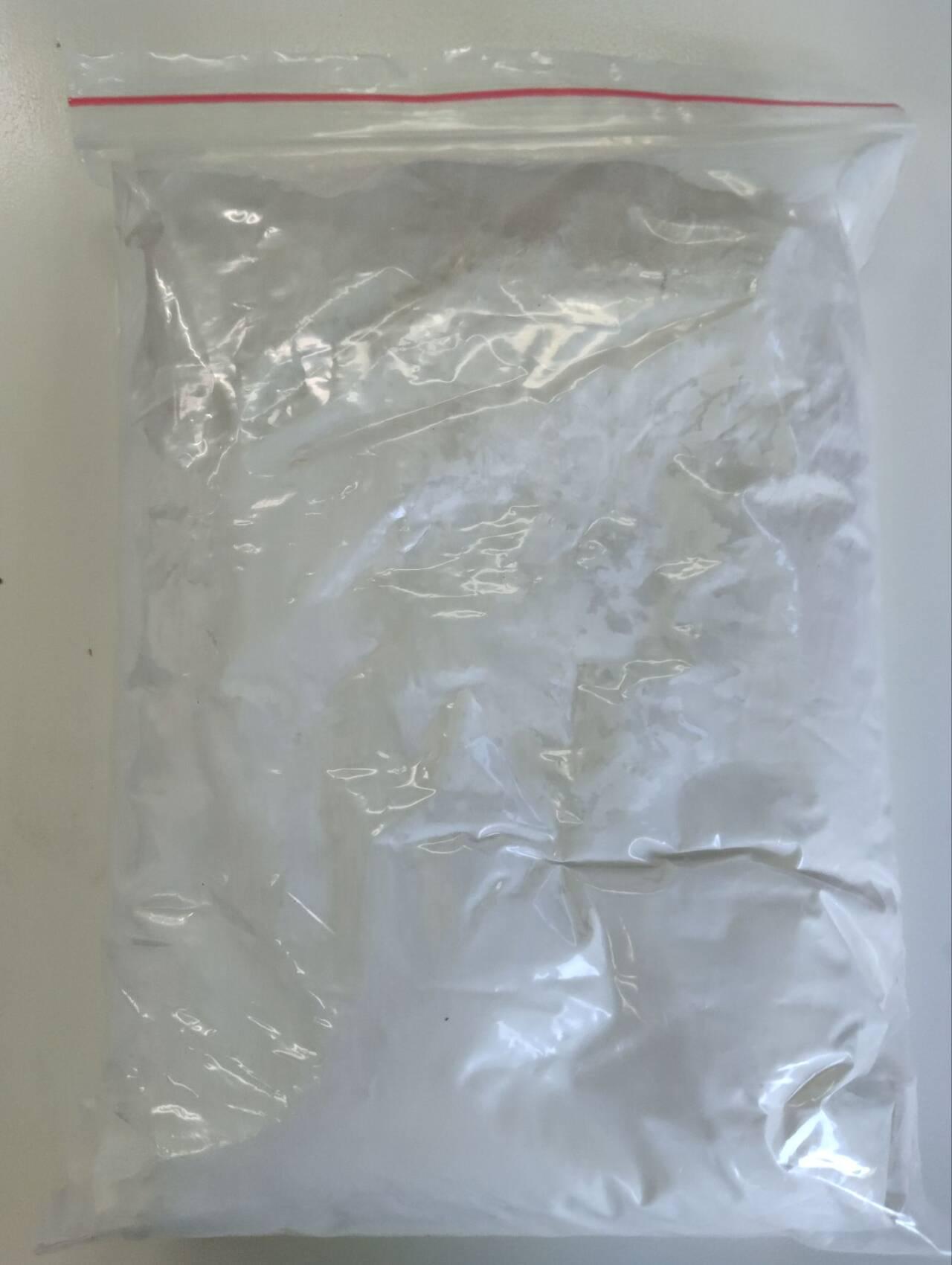
Following the technical assessment, WAC251FM samples were prepared and delivered to the Polish client for the next stage of testing.
The second-round sample allows the client to compare the new resin against the results obtained during the initial evaluation and determine its suitability under their actual laboratory and process conditions.
The client is currently carrying out follow-up validation.
At this stage, we believe it is more appropriate to allow the customer's testing process to determine the final result rather than make premature performance claims.
Our technical team will continue to communicate with the client throughout the evaluation and respond to any additional requirements that emerge from the testing.
Why Our Sample Service Goes Beyond Sending a Product
For specialized ion exchange resin applications, sending a sample is only the beginning.
A useful sample program should help customers answer three practical questions:
Does the resin match the required chemistry?
Does it perform under the customer's actual process conditions?
Can the selected resin be supplied consistently if the testing is successful?
Our approach is therefore built around sample selection, technical communication, feedback and iterative product matching.
When necessary, we can move from an initial product recommendation to a different resin grade based on customer test results.
This helps reduce the risk of forcing a standard product into an application where it may not be the best fit.
From Laboratory Samples to Potential Long-Term Supply
The current WAC251FM evaluation is still underway, but this project has already demonstrated the value of a structured sample-support process.
Once the client's validation is completed, our team can further discuss the required specifications, quality standards, packaging and supply volume for potential commercial production.
For customers developing new ion exchange resin applications, this means they do not have to make a final product decision based only on a technical datasheet.
They can work with our team through sample evaluation and product matching before moving toward larger-scale supply.
Technical Support for Specialized Ion Exchange Resin Applications
Every resin application has its own process conditions and performance requirements.
For this reason, we focus not only on supplying ion exchange resins, but also on helping customers identify a resin grade that is appropriate for their specific application.
The Poland project is a good example of this approach:
Initial inquiry → CMS16152 sample → customer testing → technical feedback → WAC251FM selection → second-round sample → further validation
This process reflects our commitment to responsive technical support, flexible sample evaluation and long-term customer cooperation.
If you are evaluating an ion exchange resin for a specialized application and need to compare different resin structures or grades, contact our technical team to discuss your requirements and sample-testing needs.