-
212026-07
 What Is the Application Range of Catalyst Resin?With the rapid development of the global green energy industry, biodiesel has emerged as a core category of renewable energy, while catalytic resins serve as key materials for its large-scale, eco-friendly production.View More >19
 -
032026-07
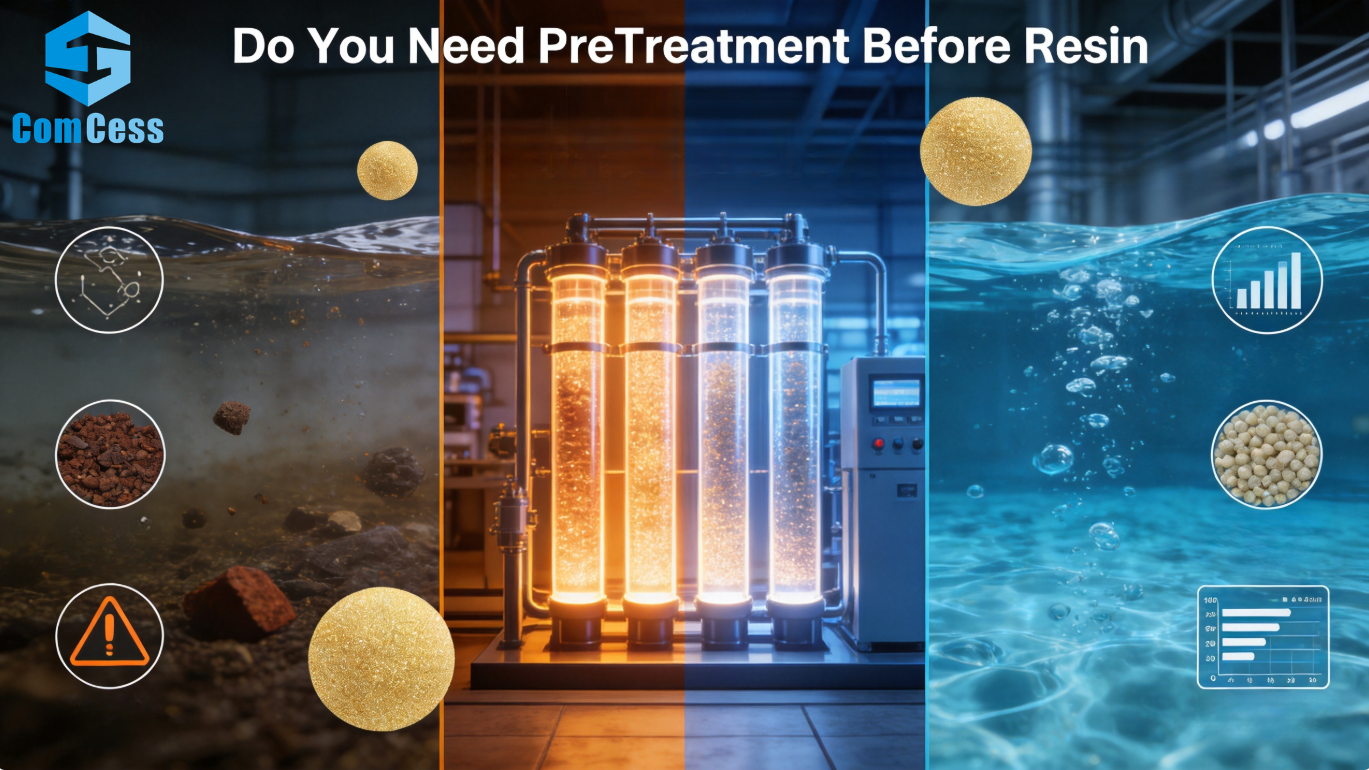 Do You Need PreTreatment Before Resin?Ion-exchange resin pretreatment refers to a comprehensive set of preparatory procedures—involving standardized physical and chemical treatments—applied to brand-new or long-term stored resins before they enter actual industrial operation. These procedures are designed to remove impurities, activate the resin structure, and convert the resin to the desired ionic form. Independent of the raw water quality, this process acts solely on the resin itself and serves as an essential conditioning step prior to putting the resin into service.View More >24
 -
302026-06
 Complete Guide to Macroporous Adsorption Resin PretreatmentMacroporous adsorption resin pretreatment improves adsorption capacity, product purity, and resin service life for industrial applications.View More >22
 -
242026-06
Ion Exchange Resin Pretreatment GuideIon Exchange Resin Pretreatment is the key step to achieve stable water treatment performance.
Learn how proper acid-base conversion and cleaning improve resin capacity and service life.View More >80 -
242026-06
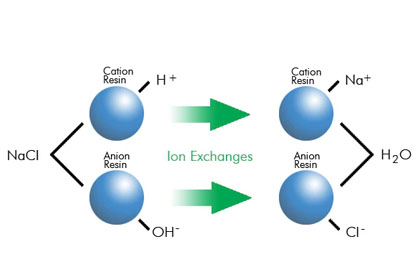
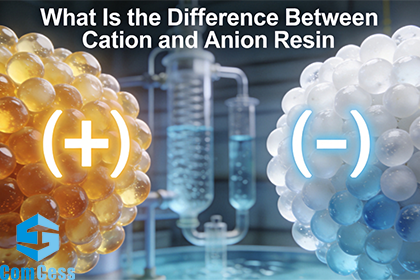 What Is the Difference Between Cation and Anion Resin?Ion exchange resins are essential consumables in fields such as industrial pure water production, water softening, ion removal from wastewater, and condensate polishing; the vast majority of industrial water treatment systems rely on the combined use of cation and anion exchange resins.View More >79
 -
152026-06
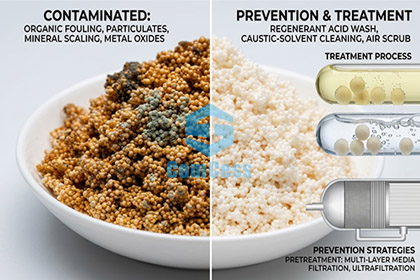 Ion Exchange Resin Contamination: Causes, Treatment, and PreventionIn water treatment scenarios such as softening, desalination, and ultrapure water preparation, ion exchange resins are core consumables. Under normal conditionsView More >125

